AI Lipsync & AI Dubbing APIs
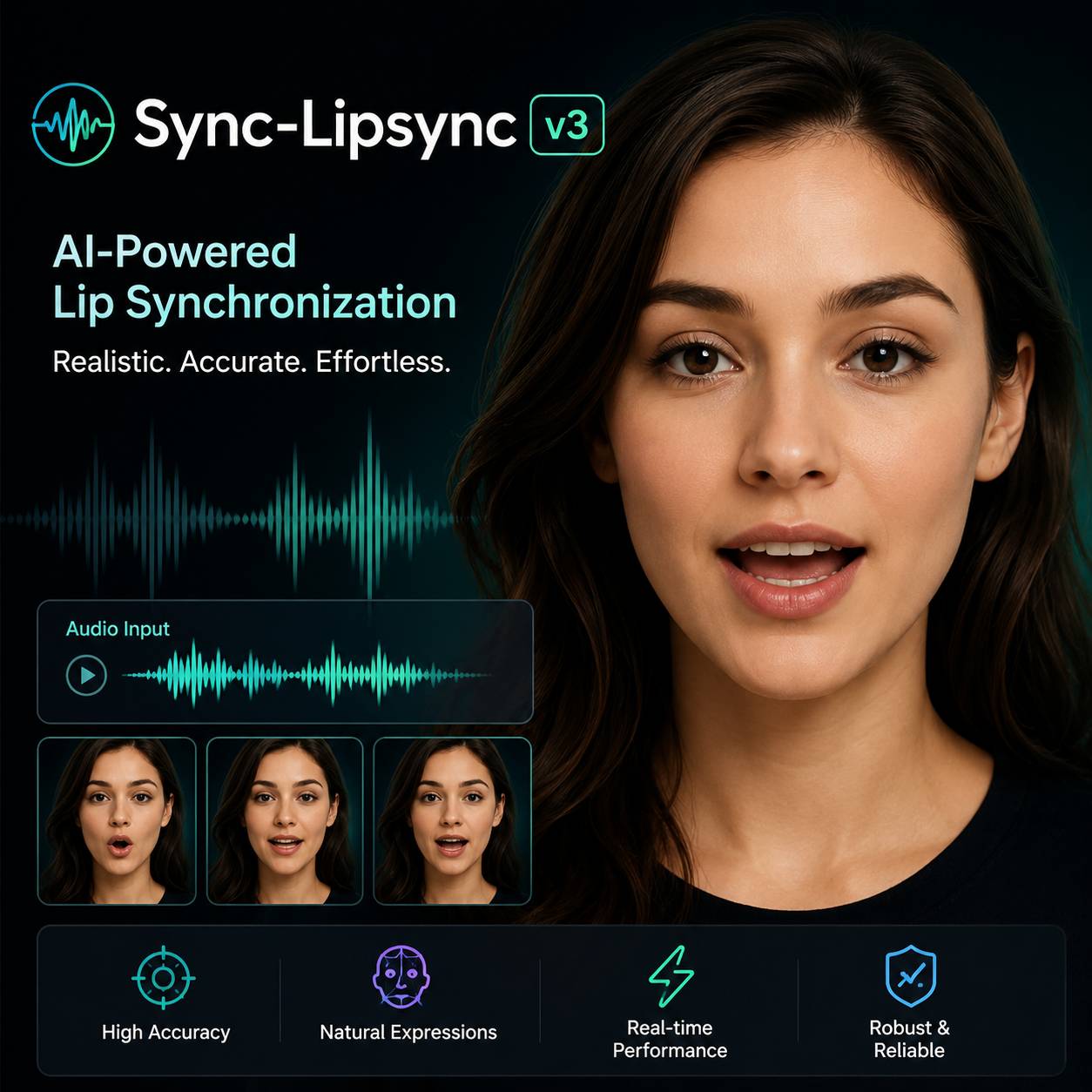
Lip-sync any voice to any video, dub films into any language, and animate talking avatars from a script — through one unified Pixazo API. Models include Sync, Heygen Video Agent, OmniHuman, Kling, Pixverse, and Veed.
Explore AI Lipsync & AI Dubbing APIs Models
Compare the leading AI lipsync and AI dubbing models. Production-ready APIs for video dubbing, voice-to-lip sync, avatar generation, and multilingual content localization — all behind one API key.




About AI Lipsync & AI Dubbing APIs
AI LIPSYNC + AI DUBBING
One unified Pixazo API for AI lipsync, AI dubbing, and AI talking avatars. Re-voice video into any language, generate presenters from a script, or sync any audio to any face — through a single API key, with Sync, Heygen Video Agent, OmniHuman, Kling, Pixverse, and Veed all behind one endpoint.
How AI Lipsync & AI Dubbing Work
Upload
Send a face video + new audio (or a reference image + script for fully synthetic avatars).
Translate
Optional: pipe through Pixazo TTS or voice-clone to generate audio in any language first.
Sync
The model re-drives the mouth region frame-by-frame to match the new waveform.
Deliver
Render-ready MP4 with the new audio muxed in — eyes, blinks, and head motion preserved.
AI Dubbing & Lipsync Use Cases
Multilingual Film Dubbing
Re-voice movies, series, and trailers into 50+ languages with lip-sync that matches the new dialogue track. Replaces traditional ADR workflows.
Course Localization
Convert English instructor videos into Spanish, Hindi, Mandarin, or any target language without re-recording. Same instructor, new voice.
Multi-Region Ad Creative
Ship one creative across every region — generate language variants from a single master video in minutes, not weeks.
Virtual Presenters
Generate fully synthetic AI hosts for sales videos, product walkthroughs, internal training. Heygen Video Agent + a script is all you need.
Talking Characters
Drive animated character mouths from voice acting takes. Speeds up the animation pipeline for shorts, indie games, and explainer videos.
Audiobook & Podcast Visuals
Turn audio content into shareable talking-head video clips for social media. Drives engagement and discovery on YouTube and TikTok.
Lipsync Model Comparison
| Model | Best For | Speed | Audio-To-Video |
|---|---|---|---|
| Sync v3 | Cinematic film/TV dubbing | Slower | Yes |
| OmniHuman | Reference image → talking video | Slower | Yes |
| Heygen Video Agent | Fully synthetic AI presenters | Fast | Script-to-video |
| Kling Lipsync | Smooth lip motion, social content | Fast | Yes |
| Pixverse Lipsync | High-volume, lowest cost | Fastest | Yes |
| Veed | Video processing + lipsync pipeline | Fast | Yes |
Frequently Asked Questions
What is the difference between AI lipsync and AI dubbing?
Which AI lipsync API is best for film and TV dubbing?
How does the AI multilingual dubbing API handle different languages?
Can I use AI lipsync for talking avatars and virtual presenters?
What input formats does the Lipsync API accept?
How much does the AI lipsync and AI dubbing API cost?
Does the API preserve original facial expressions during dubbing?
How fast is AI lipsync generation?
One API key. Six models. Lip-sync, dub, and animate — from any voice to any face, in any language.