Bad Logo Design: Why Some Logos Just Don’t Work


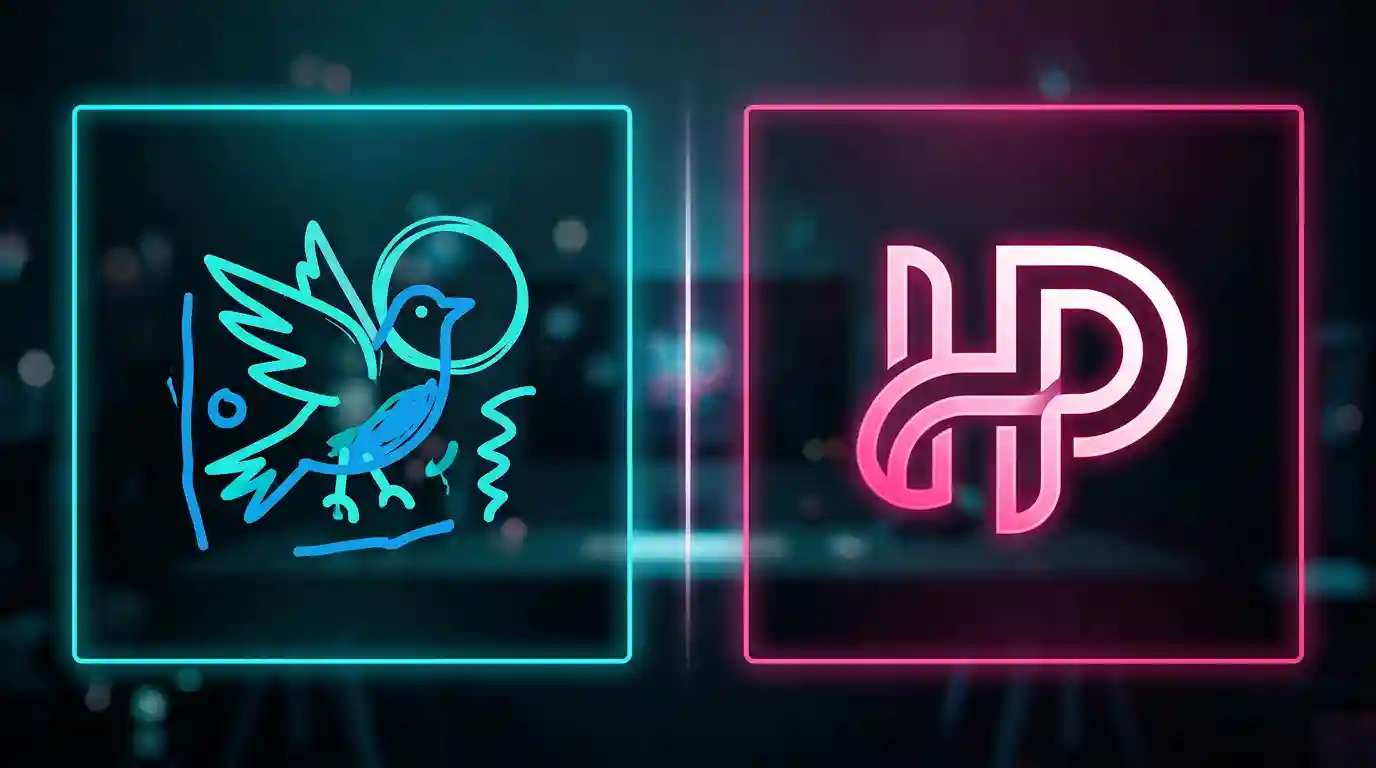
Ever looked at a logo and thought, “What were they thinking?” You’re not alone. Logos are supposed to be like a brand’s fingerprint—unique and memorable. But sometimes, they miss the mark, big time. That’s where AI Design Tools comes in. You can try this yourself with AI Logo Maker.
- Understand Your Brand: Deeply understand your brand’s values, mission, and unique selling points. This will help you create a logo that is true to your brand’s identity and sets it apart from others.
- Research Competitors: Study the logos of your competitors to understand what’s already out there. This can help you avoid unintentional similarities and inspire you to find a unique angle.
- Brainstorm and Sketch: Spend time brainstorming and sketching multiple ideas. Don’t settle on the first concept. Explore different shapes, symbols, and fonts to discover a truly original design.
- Seek Professional Help: Consider hiring a professional designer or a design agency. Professionals have the experience and creative skills to develop unique and original logos that stand out.
- Test and Refine: Test your logo with a focus group to get feedback on its originality and impact. Use this feedback to refine and improve the design, ensuring it is distinct and memorable.
Points to Consider while Designing a Logo
Creating a logo involves several critical considerations to ensure it effectively represents the brand and resonates with the target audience. Here are some key points to consider:
1. Understand the Brand
- Brand Identity: Know the brand’s mission, values, and personality.
- Target Audience: Understand the audience’s demographics, preferences, and expectations.
2. Simplicity and Clarity
- Clean Design: A simple, uncluttered design is easier to recognize and remember.
- Scalability: Ensure the logo looks good at all sizes, from a business card to a billboard.
3. Originality and Uniqueness
- Distinctiveness: The logo should stand out and be easily distinguishable from competitors.
- Avoid Trends: Focus on a timeless design rather than following current design trends.
4. Color Theory
- Color Scheme: Choose colors that evoke the desired emotions and align with the brand’s message. You can use the color wheel tool to create a perfect color scheme that will enhance your logo design.
- Versatility: Ensure the logo works well in both color and black-and-white formats.
5. Typography
- Font Choice: Select legible and appropriate fonts for the brand’s tone and industry. The AI font generator assists users in generating fonts tailored to their needs and preferences.
- Consistency: The typography should complement the overall design and not overpower it.
6. Versatility and Adaptability
- Different Formats: Ensure the logo works in various formats, including digital and print.
- Multiple Versions: Create variations (e.g., horizontal, vertical, icon-only) for different uses.
Suggested Read: Logo Design Cost: Budgeting Brand Identity in 2026
7. Relevance and Appropriateness
- Industry Standards: The design should be appropriate for the industry while being unique.
- Cultural Sensitivity: Consider cultural connotations and avoid elements that might be misinterpreted.
Suggested Read: How Companies are Leveraging AI to Create Logos- AI Logo Generator
8. Longevity
- Timeless Design: Aim for a design that remains effective and relevant over time.
- Avoid Overly Complex Elements: Simple designs tend to have a longer lifespan.
9. Memorable and Impactful
- First Impression: The logo should make a strong first impression and be easily recognizable.
- Storytelling: If possible, incorporate a story or meaningful element that adds depth to the logo.
Suggested Read: Typography Design 101: Guidelines and Terms
10. Feedback and Iteration
- Testing: Test the logo with different audiences to gather feedback.
- Revisions: Be open to making adjustments based on feedback and evolving brand needs.
Suggested Read: 11+ Types of Logos: Purpose And Significance For Business
Practical Tips
- Vector Format: Design the logo in a vector format (e.g., SVG, AI) for scalability.
- Trademark Considerations: Ensure the design doesn’t infringe on existing trademarks.
- Usage Guidelines: Create a style guide that outlines how the logo should be used across different media.
- Watermark Consideration: Consider incorporating a subtle watermark in your logo design to protect your intellectual property without compromising visual clarity.
- Pre-designed Templates: Explore the AI-suggested Logo Templates to get inspiration for logo design.
Suggested Read: What is a Slogan: Types, Examples & Tips to Create One



Suggested Read: 35 Questions to Ask When Designing a Logo for a Client
Conclusion
In the world of branding, a logo is more than just an image; it’s the face of a company. As we’ve explored, a poorly designed logo can have far-reaching negative effects. Ambiguity can confuse potential customers, bad aesthetics can repel them, and copycat designs can undermine a brand’s originality and lead to legal troubles.
To avoid these pitfalls, it’s crucial to create a logo that is clear, visually appealing, and original. By understanding your brand, using appropriate design principles, and ensuring your logo is distinct, you can create a powerful symbol that effectively represents your brand and resonates with your audience.
Suggested Read: Portrait vs Landscape: The Right Choice
Frequently Asked Questions
What makes a logo bad?
Common problems include poor legibility, too much detail, dated styling, weak scalability, unoriginal concepts, and clashing colors or fonts. A logo that fails at small sizes or in single color is usually flawed.
Why do some famous logos fail?
Some logos fail because they are overly complex, accidentally resemble something unintended, or do not reflect the brand clearly. Others struggle because they were designed for one context and break down in others, like tiny app icons.
How can I tell if my logo design is bad?
Test whether it stays clear when shrunk, works in black and white, and reads well from a distance. If people misread it, forget it, or confuse it with another brand, it likely needs rework.
How do I fix a bad logo?
Simplify the design, improve contrast and spacing, remove unnecessary detail, and make sure it scales to every size. Sometimes a clean redraw of the core idea works better than patching the original.
Can beginners avoid bad logo design?
Yes, by focusing on simplicity, legibility, and a single clear idea rather than cramming in effects. Using a logo maker or AI design tool with strong templates can help beginners avoid common mistakes.
Deepak Joshi
Author · Pixazo
Deepak writes about generative AI models, APIs, and the workflows teams use to ship them. Reviewed by Abhinav Girdhar.