12 Timeless Web Design Trends for 2026 and Beyond


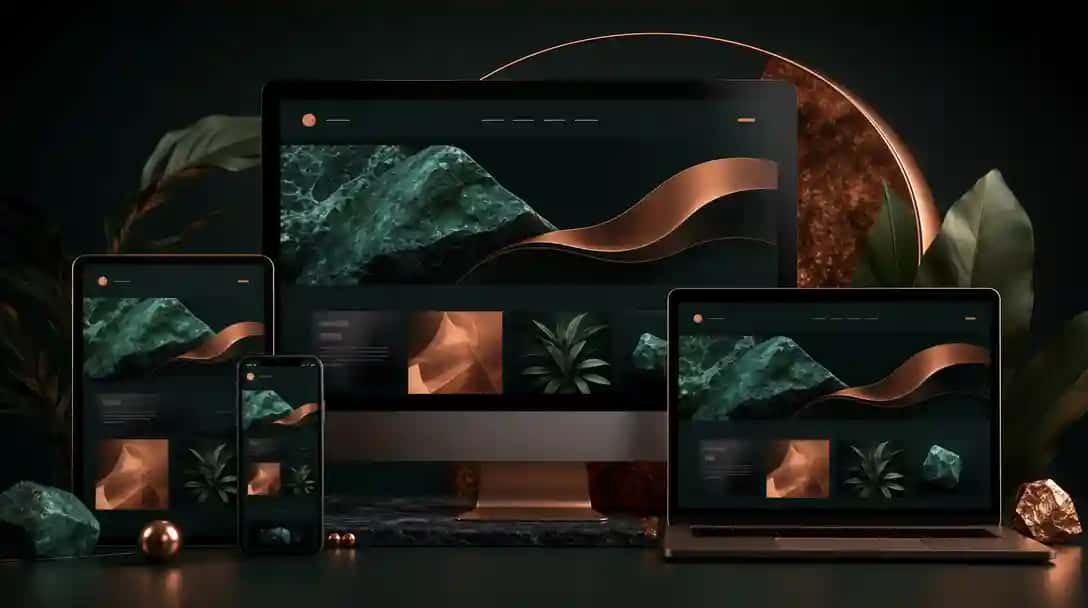
Is your web design timeless, or will it fade with the fleeting trends of today? As we navigate through the ever-evolving landscape of digital aesthetics, certain web design trends have proven their resilience, standing the test of time well into 2024. These enduring styles not only enhance the visual appeal of websites but also ensure a seamless user experience, bridging the gap between graphic design and web design with finesse.
You can do this in AI Web Designer.
Designers keen on integrating dark mode should consider the impact on web design business strategies, as offering this feature can significantly improve user satisfaction. Additionally, leveraging AI design tools can streamline the process of creating adaptable themes that switch between light and dark modes effortlessly.
Grid-Based Design Structures
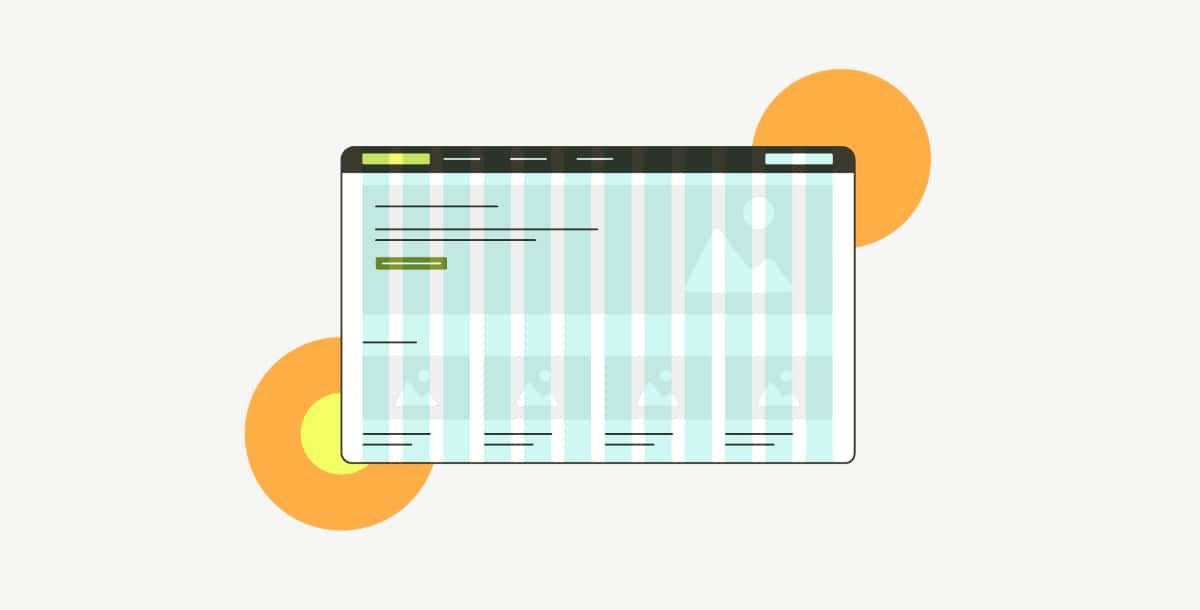
Grid-based design structures provide a solid foundation for creating visually appealing and well-organized websites. By aligning elements within a grid, designers can achieve a balanced and cohesive layout that guides users’ eyes through the content logically. This method simplifies the design process and ensures consistency across pages.
Adopting grid systems is a practical approach highlighted in web designer business card maker solutions, offering a glimpse into a designer’s ability to create harmony and order. For those building web design portfolios, showcasing grid-based projects can demonstrate a mastery of foundational design principles critical to effective web development.
Bold Typography and Large Text
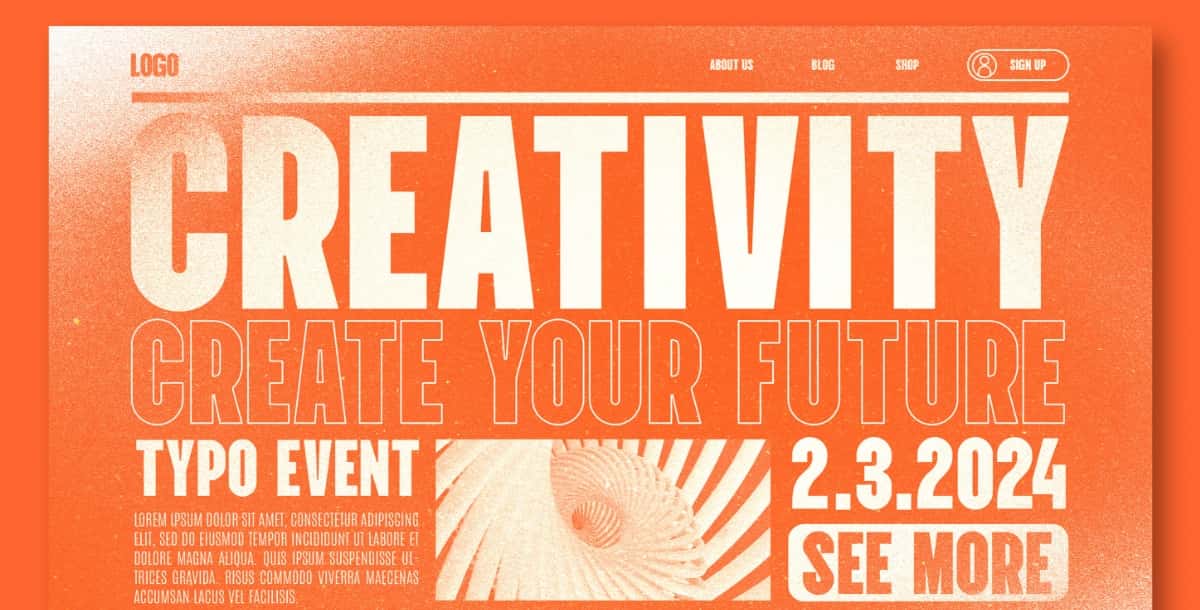
Bold typography and large text have become a staple in web design, offering clear, emphatic messaging that captures visitors’ attention instantly. This trend is not just about size but also the strategic use of font-weight to emphasize important information, ensuring that key messages stand out and enhance readability.
Incorporating bold fonts requires a keen eye for design balance, making it essential for designers to use tools like Background Maker to create contrasts that highlight these typographic choices without overwhelming the user experience.
Consistent and Cohesive Color Schemes
Suggested Read: Bad Logo Design: Why Some Logos Just Don't Work
Consistent and cohesive color schemes are crucial for creating a harmonious and visually appealing website. By carefully selecting a palette that reflects the brand’s identity, designers can evoke specific emotions and guide the user’s perception. A well-chosen color scheme enhances brand recognition and creates a memorable online presence.
To achieve such cohesion, designers might explore background templates, which can serve as a foundational element in developing a color scheme that resonates with the brand and its audience.
Micro-Interactions for User Engagement
Suggested Read: Best Background Remover API Picks for 2026: Free Tiers & Code
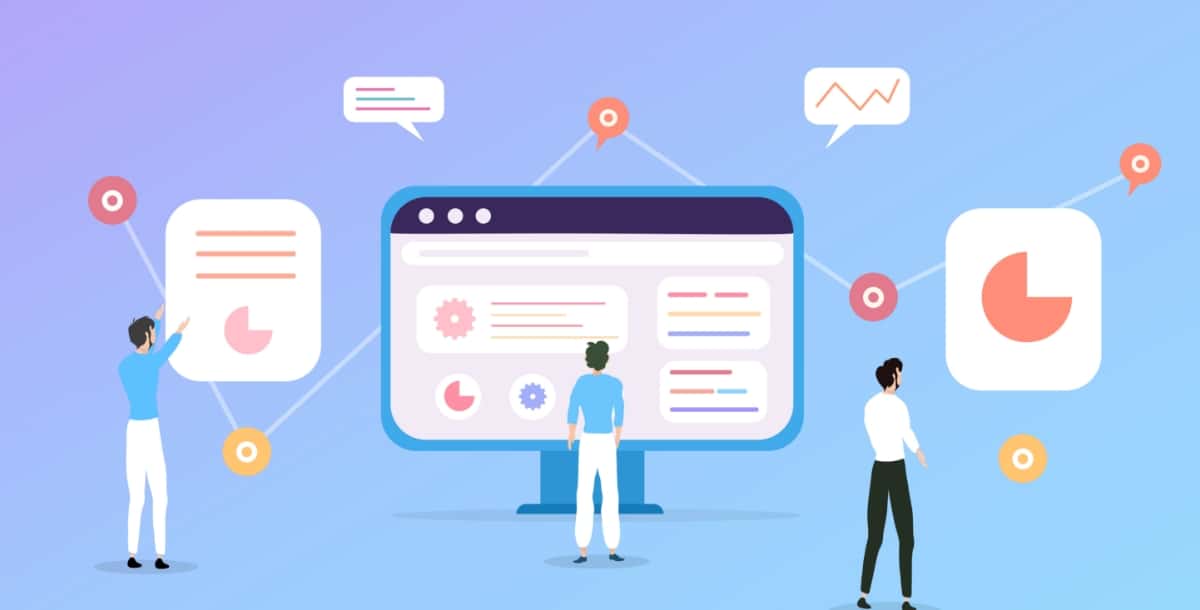
Micro-interactions are subtle design features that enhance user engagement by providing immediate feedback or visual cues in response to user actions. These small, interactive elements make the user experience more dynamic and enjoyable, encouraging longer engagement times and improving overall satisfaction.
Designing effective micro-interactions often involves animated elements, making AI Animation Generator an invaluable tool for creating smooth, responsive animations that delight users and enrich the interactive experience.
High-Quality Photography and Visuals
Suggested Read: Typography Design 101: Guidelines and Terms
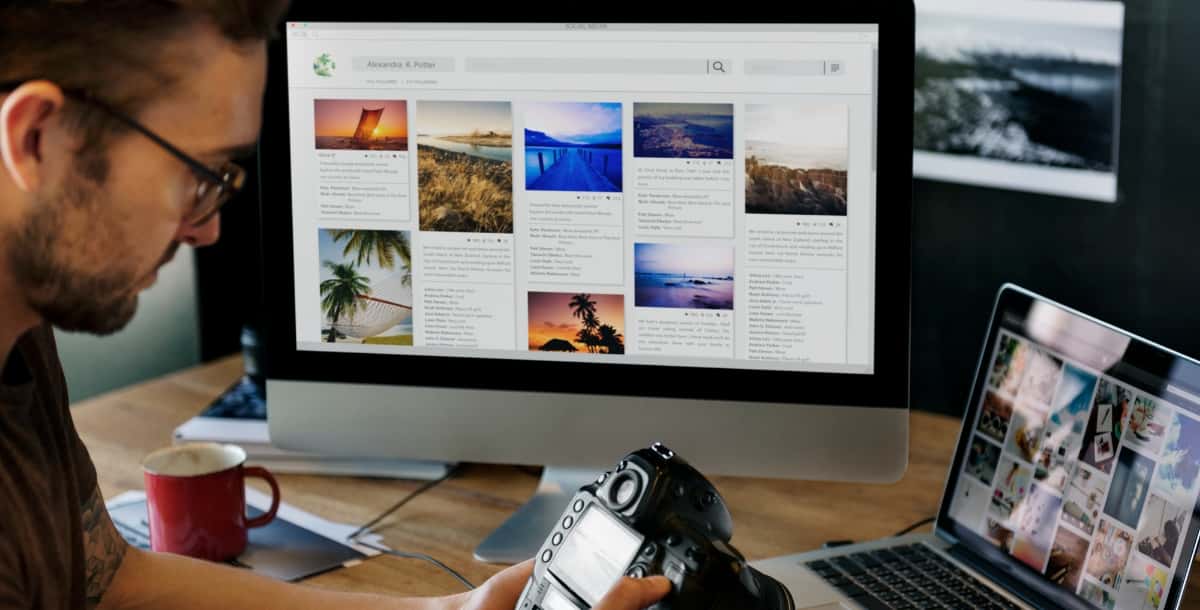
High-quality photography and visuals play a pivotal role in web design, setting the tone and establishing the visual identity of a website. They not only attract attention but also convey messages more powerfully than text alone, making the content more engaging and relatable to the audience.
To incorporate custom imagery that perfectly aligns with a brand’s message, designers can benefit from Illustration Maker tools, allowing for the creation of unique visuals that elevate the site’s aesthetic and narrative.
Seamless and Intuitive Navigation
Suggested Read: How to Design a Flyer for Your Business (Step-by-Step Guide)
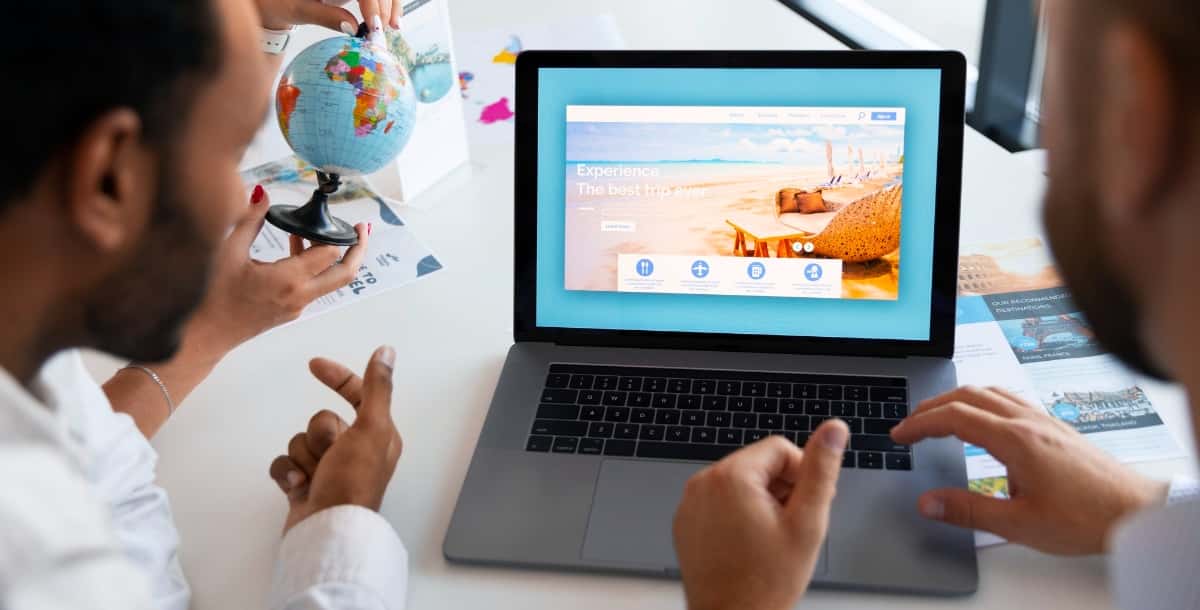
Seamless and intuitive navigation is essential for a positive user experience, allowing visitors to easily find the information they’re looking for without frustration. A well-structured navigation design guides users through the site effortlessly, enhancing usability and satisfaction. In eCommerce web design, seamless navigation is a key priority because it helps reduce friction and improve conversions.
Achieving such seamless navigation can sometimes require the incorporation of custom icons or graphics, which can be expertly designed with illustration templates, ensuring that every navigational element is both beautiful and functional.
White Space for Visual Balance
Suggested Read: Best Free Image, Video and Audio Generation APIs for 2026 – Ranked and Compared
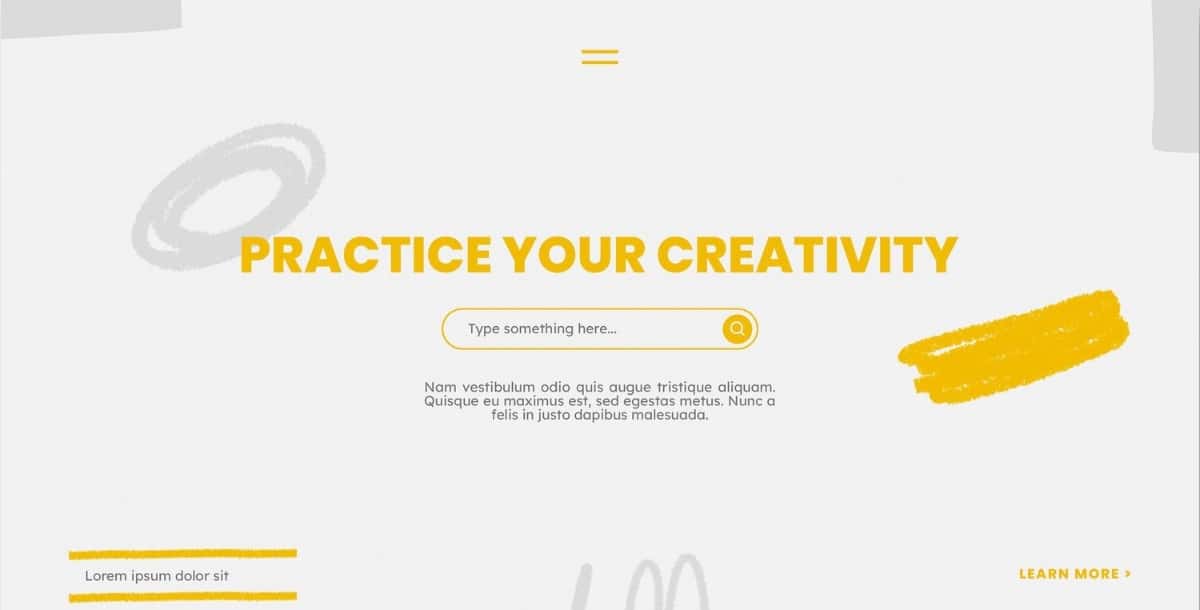
White space, or negative space, is a powerful design element that contributes to visual balance, readability, and content prioritization on a website. By intentionally leaving parts of the layout empty, designers can create a clean, uncluttered look that focuses the user’s attention on the most important content.
The strategic use of white space is a testament to a designer’s mastery of web design principles, highlighting the importance of structure and spacing in creating a comfortable viewing experience that encourages engagement and comprehension.
Conclusion
Design trends come and go with the changing tides of technology and user preferences, and anchoring your work in timeless web design trends ensures longevity and relevance. By incorporating these evergreen design principles into your projects, you not only elevate your web design portfolio but also contribute to the creation of web spaces that are beautiful, functional, and enduring. As we look towards 2024 and beyond, let us remember that the true essence of great web design lies in its ability to adapt, evolve, and resonate across generations, bridging the timeless with the innovative.
Suggested Read: Top Business Card Design Trends for 2026
Frequently Asked Questions
What are the biggest web design trends for 2026?
In 2026, web design leans toward clean minimalism, bold expressive typography, dark mode by default, subtle motion and micro-interactions, and accessible, mobile-first layouts. AI-assisted personalization and fast-loading pages are also shaping how sites are built.
Are timeless web design trends better than trendy ones?
Timeless approaches like strong hierarchy, whitespace, readable type, and clear navigation age well because they serve usability rather than fashion. Trendy visual effects can date a site quickly, so it is safest to build on fundamentals and add trends sparingly.
Do web design trends affect SEO and performance?
Yes, choices like page speed, mobile responsiveness, and accessible structure directly influence search rankings and user retention. A visually current site that loads slowly will usually underperform a simpler, faster one.
How often should I update my website design?
A light refresh every two to three years keeps a site feeling current without confusing returning visitors. Focus updates on usability, speed, and content clarity rather than chasing every new visual fad.
Can I follow web design trends without a designer?
Yes, modern website builders and AI design tools let non-designers apply current layouts, color systems, and typography using templates. You can generate matching visuals and graphics with a tool like Pixazo to keep the look cohesive.
Deepak Joshi
Author · Pixazo
Deepak writes about generative AI models, APIs, and the workflows teams use to ship them. Reviewed by Abhinav Girdhar.