Food Brochure : Create Free Food Brochures in Minutes with AI
Create Custom Food Brochures Quickly with Pixazo Best AI Food Brochure Maker. Try for Free!
Get Started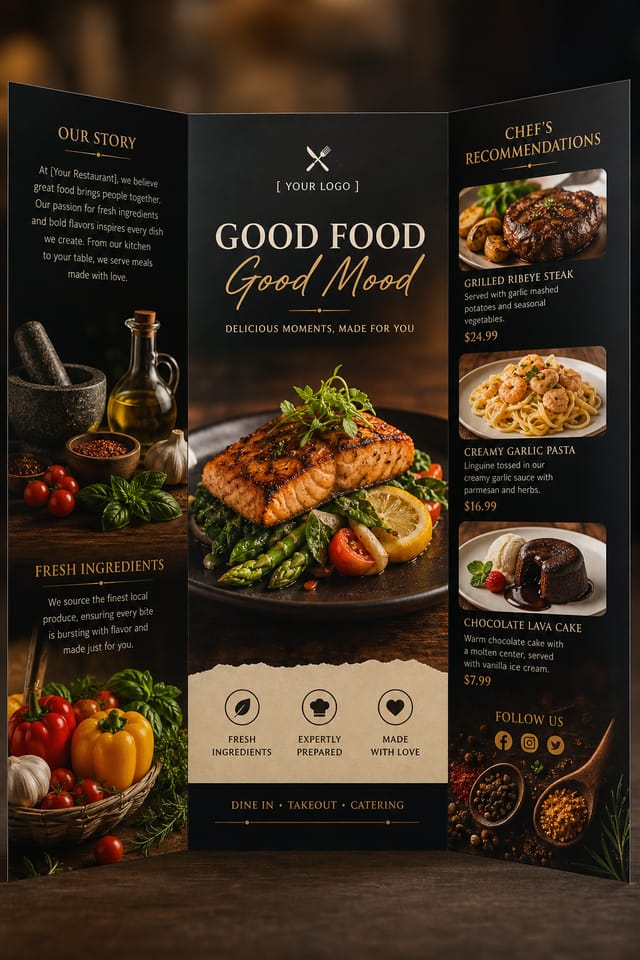
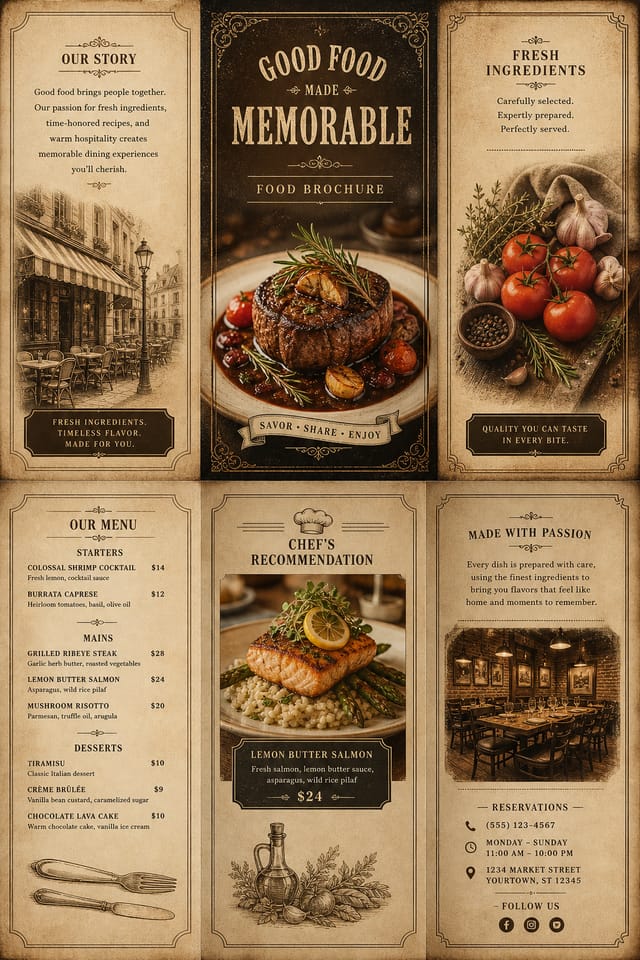
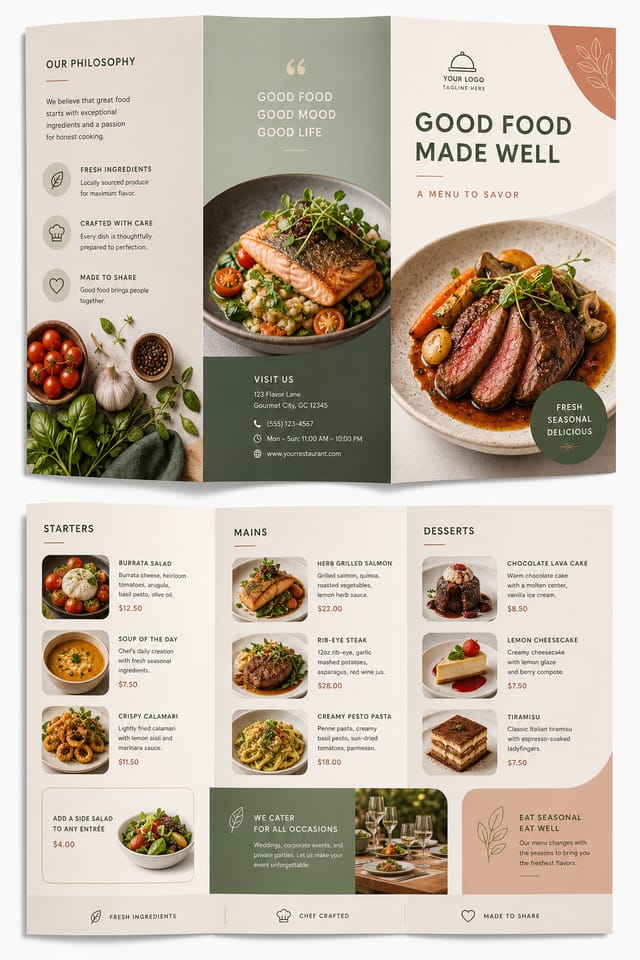
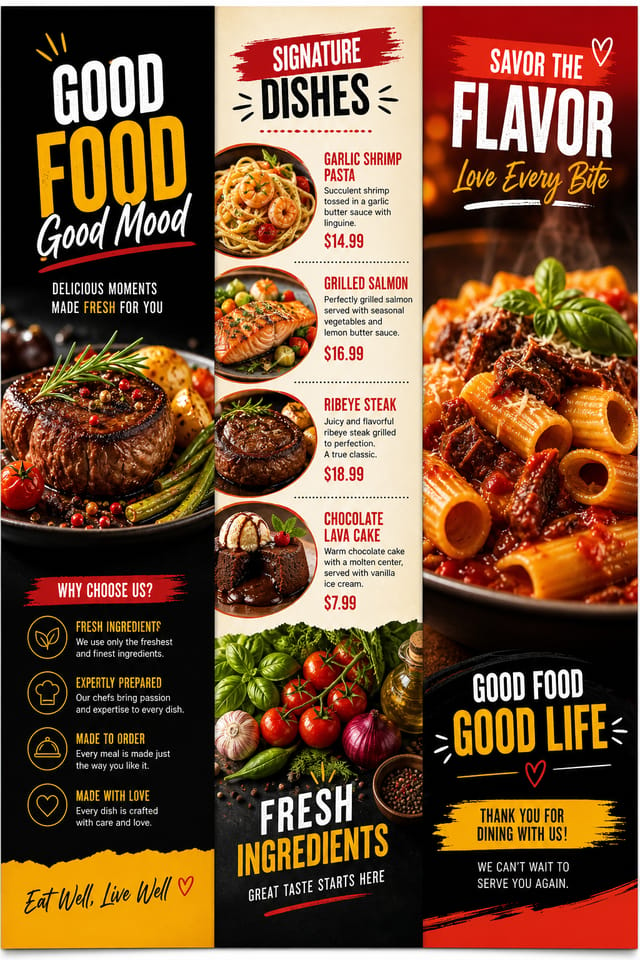
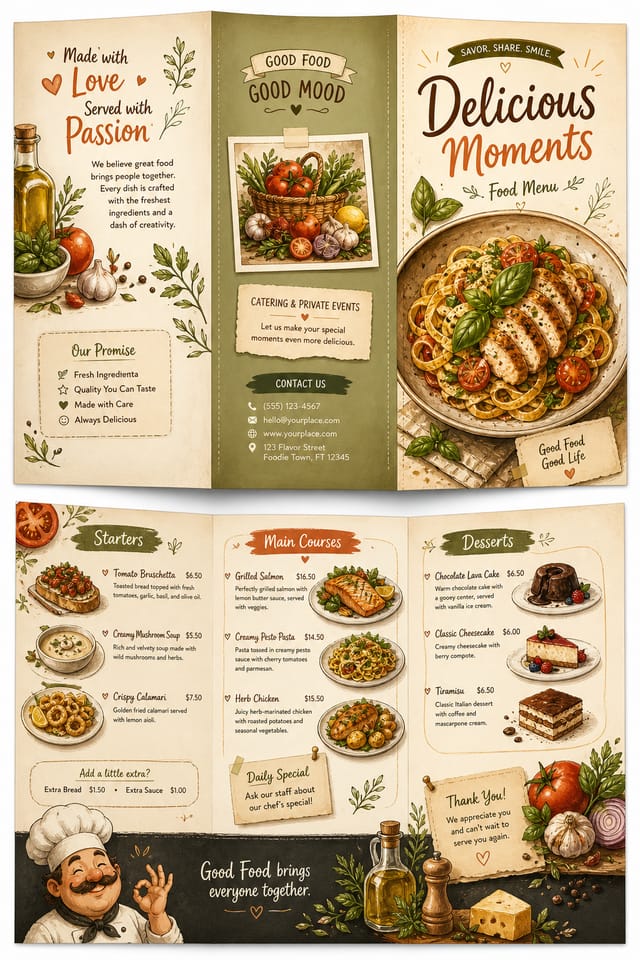
AI-Powered Food Brochure: Made Simple
From idea to finished food brochure in under a minute. Pixazo understands food design conventions and applies them automatically.
Create Your Food Brochure FreeFood Brochure At a Glance: A Technical Snapshot
Food Brochure Design Trends: Where Design Is Going
Dark Mode Aesthetics
Dark backgrounds with high-contrast accents are increasingly common in food brochure design, reducing visual fatigue and adding sophistication.
Organic Shapes
Flowing, irregular forms are replacing sharp geometric shapes in food brochure backgrounds and decorative elements for a softer visual feel.
Brutalist Design
Raw, intentionally unpolished food brochure aesthetics with stark contrasts and unconventional layouts are carving a niche in creative industries.
Gradient Overlays
Smooth color transitions are being used as primary design elements in food brochure work, adding depth without the complexity of photographic backgrounds.
What Separates Good Food Design: What Good Design Involves
The Food Brochure Design Framework
The gap between a professional food brochure and a mediocre one usually comes down to design decisions made early in the process: palette selection, type hierarchy, and compositional structure.
These choices determine whether the final output reads as food or just looks generic.
Pixazo's AI makes these foundational decisions based on your prompt.
Specify a food brochure and the system selects design parameters that match food visual expectations, giving you a solid starting point rather than a blank-slate template.
Food Brochure Design Tool Landscape: A Neutral Comparison
Piktochart
Infographic and presentation maker for data-driven visuals
Fotor
Photo editing platform with design templates and batch processing
Pixazo
AI-powered food brochure generator with prompt-based design and professional output quality
VistaCreate
Visual content platform with templates and a built-in asset library
Snappa
Quick graphic creator focused on social media and marketing visuals
Putting Food Brochures to Work: Everyday and Professional
Non-Profit Campaigns
Create compelling food campaign brochures without allocating budget to design production. Focus resources on mission-critical activities.
Trade Show and Conference Materials
Generate food brochures for booth displays, attendee handouts, and event signage. Professional materials that represent your brand in competitive environments.
Travel and Tourism Promotion
Design food brochures for destinations, tour packages, and hospitality brands. Aspirational visuals that inspire booking decisions.
Healthcare and Wellness
Design food brochures for clinics, wellness centers, and health campaigns. Trustworthy visuals that communicate care and professionalism.
Getting More from Food Brochure AI: What Professionals Know
Test at Actual Size
Always preview your food brochure at the dimensions it will be displayed. Design details that look fine at 100% can disappear or crowd at real-world scale.
Start with a Clear Brief
Before generating any food brochure, write down the core message, target audience, and intended use. A focused brief produces better results than iterating from a vague idea.
Consider the Context
Think about where your food brochure will appear. A design optimized for social media needs different proportions and density than one for a physical bulletin board.
Leave White Space
Resist the urge to fill every area of your food brochure. Breathing room around key elements makes the overall design more effective.
Behind Food Brochure Design: Design Powers
Context-Aware Design
Describe your food brochure's purpose and audience. The AI adjusts visual weight, complexity, and clarity based on the intended use context.
Background Variation
Generate food brochures with different background treatments. Solid, gradient, textured, or pattern backgrounds all available for food style.
Print-Ready Output
Generated food brochures are sized and structured for professional printing. Download high-resolution files ready for production.
Text Placement Options
Describe where you want text elements positioned in your food brochure. The AI follows compositional direction about headline placement and body copy layout.
Style-Accurate Generation
The AI interprets food design conventions and applies them to your brochure, producing output that looks correctly styled rather than generically templated.
Color Temperature Control
Specify warm, cool, or neutral color direction for your food brochure. The AI builds the full palette around your temperature preference.
Food Brochure AI Results: By the Numbers
Output formats available for every food brochure generation
Output formats available for every food brochure generation
From initial prompt to finished food brochure in a simple wo
From initial prompt to finished food brochure in a simple workflow
Number of food brochure variations you can generate per sess
Number of food brochure variations you can generate per session
From Prompt to Food Brochure: A Quick Guide
Transmit the Brief
Describe what you want your food brochure to look like. Include the mood, color palette, typography preference, and content hierarchy. Pixazo reads all of this and uses it to generate an appropriate design.
Watch: Creating Food Brochure designs step by step
Design Principles for Food Brochures: Core Design Ideas
Color Discipline
Effective food brochure color palettes do more with less. A two or three color system applied consistently creates more visual coherence than many competing colors.
Compositional Balance
Visual weight in food brochure design should be intentional. Asymmetric balance often creates more interest than centered symmetry, but both can work when executed with purpose.
Scale and Proportion
Element sizing in food brochure design communicates importance. The largest element gets the most attention. Scale differences between elements should be intentional and clear.
Food Brochure Community: Real Creator Work
Real creators sharing their food designs made with Pixazo AI.
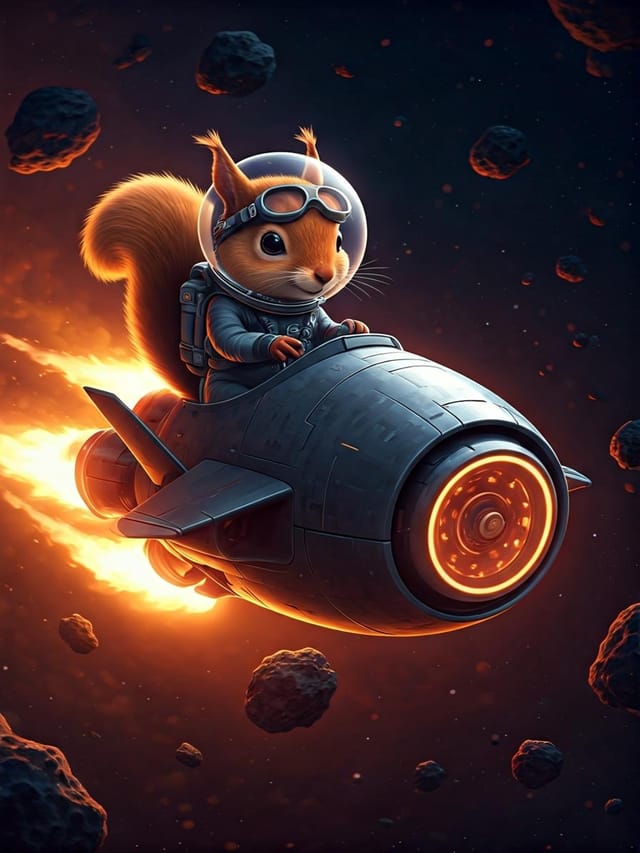
Two-color food brochure, maximum contrast between primary and secondary color, typography set in one color per level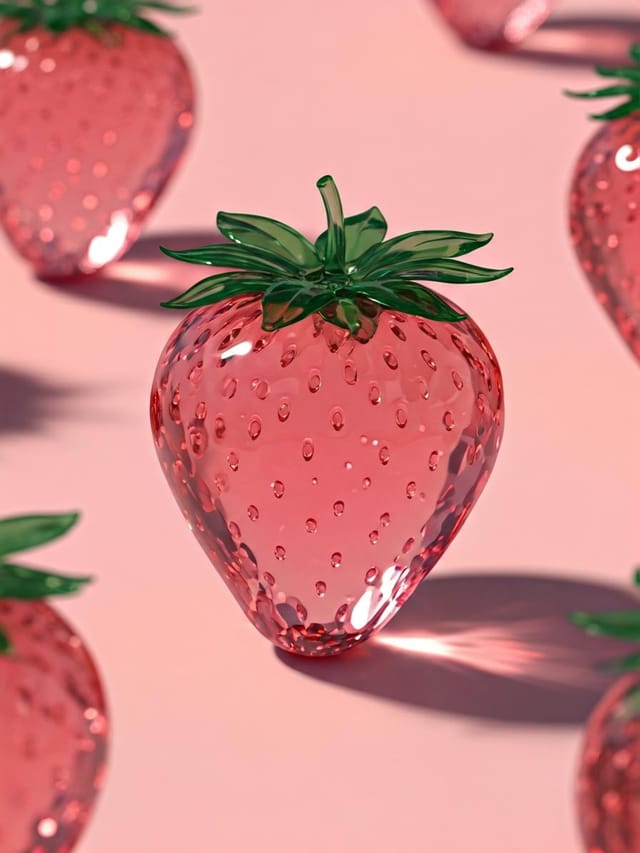
Food brochure for large format print, elements scaled for visibility at distance, colors optimized for print output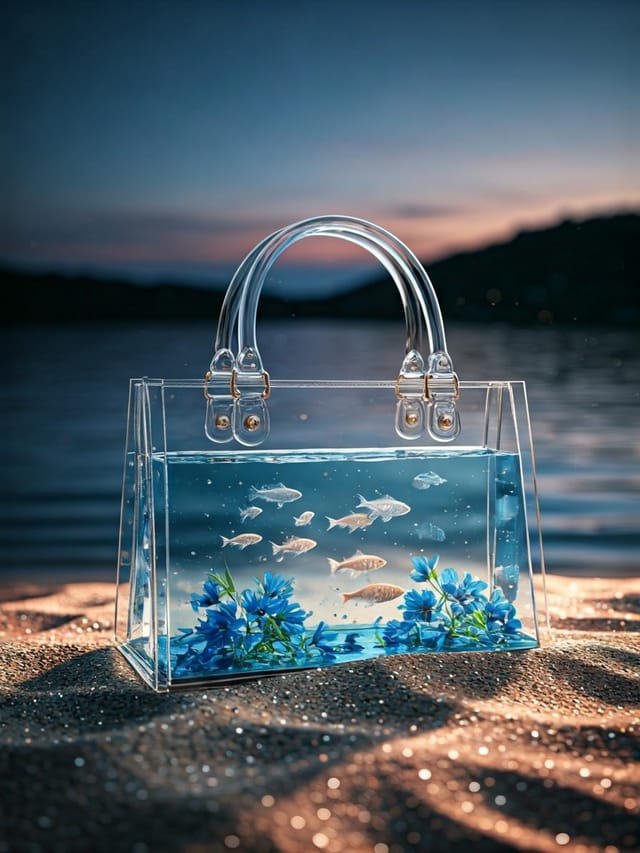
Corporate food brochure for a B2B audience, clean and authoritative, navy and white palette, structured grid, data-friendly layoutAI Food Brochure Design: Known Limitations
Known limitations and trade-offs of AI-generated food design. Transparency matters when using AI for food brochure design. The points below describe where you may need to supplement AI output with manual work.
Your Food Brochure Questions: FAQ
Pixazo generates food brochures in RGB color space. For professional offset printing that requires CMYK, convert the downloaded file using Adobe Photoshop, Illustrator, or a free tool like GIMP. The AI selects colors that translate well to print when you mention print use in your prompt.
Each generation uses your unique prompt text to produce a distinct food brochure design. Even similar prompts produce noticeably different outputs due to the AI's generative process. No two users receive identical designs.
The AI generates designs at the specified dimensions. For professional print production, add 'with bleed area' to your prompt to extend background elements beyond the trim line. Crop marks and registration marks should be added in your print preparation software.
Professional food brochure design comes down to the right color relationships, appropriate typographic hierarchy, and compositional balance that fits food aesthetic conventions. Generic designs miss these details because they apply neutral defaults rather than style-specific decisions. Pixazo applies food design knowledge when you specify the style.
Yes. Set up separate brand kits for each client or brand, then switch between them when generating food brochures. Each brand kit stores its own colors, fonts, and logo so the AI applies the correct identity to every food brochure without manual reconfiguration.
Brand kits let you save your logo, fonts, and color palette so every food brochure you generate stays on brand. Once configured, the AI applies your brand parameters automatically alongside food style conventions.
Food Brochure Starter Prompts That Work
Copy any prompt below and paste it into Pixazo to generate your design instantly.
High-impact food brochure, immediate visual read at thumbnail size, clear headline dominance, supporting information structured logicallyFood brochure design, clean layout, strong typography hierarchy, appropriate color palette for food aesthetic, high contrast between headline and backgroundTwo-color food brochure design, high contrast between primary and secondary color, clean separation between graphic and text zonesGeometric food brochure, structured grid system, angular composition, colors in blocks rather than gradients, modern clean finishLarge-format food brochure design, elements sized for visibility at print scale, no fine detail that would be lost in production
