Introducing the Muse Image API and MiniMax H3 Max API on Pixazo API: Photoreal Images and Video with Sound


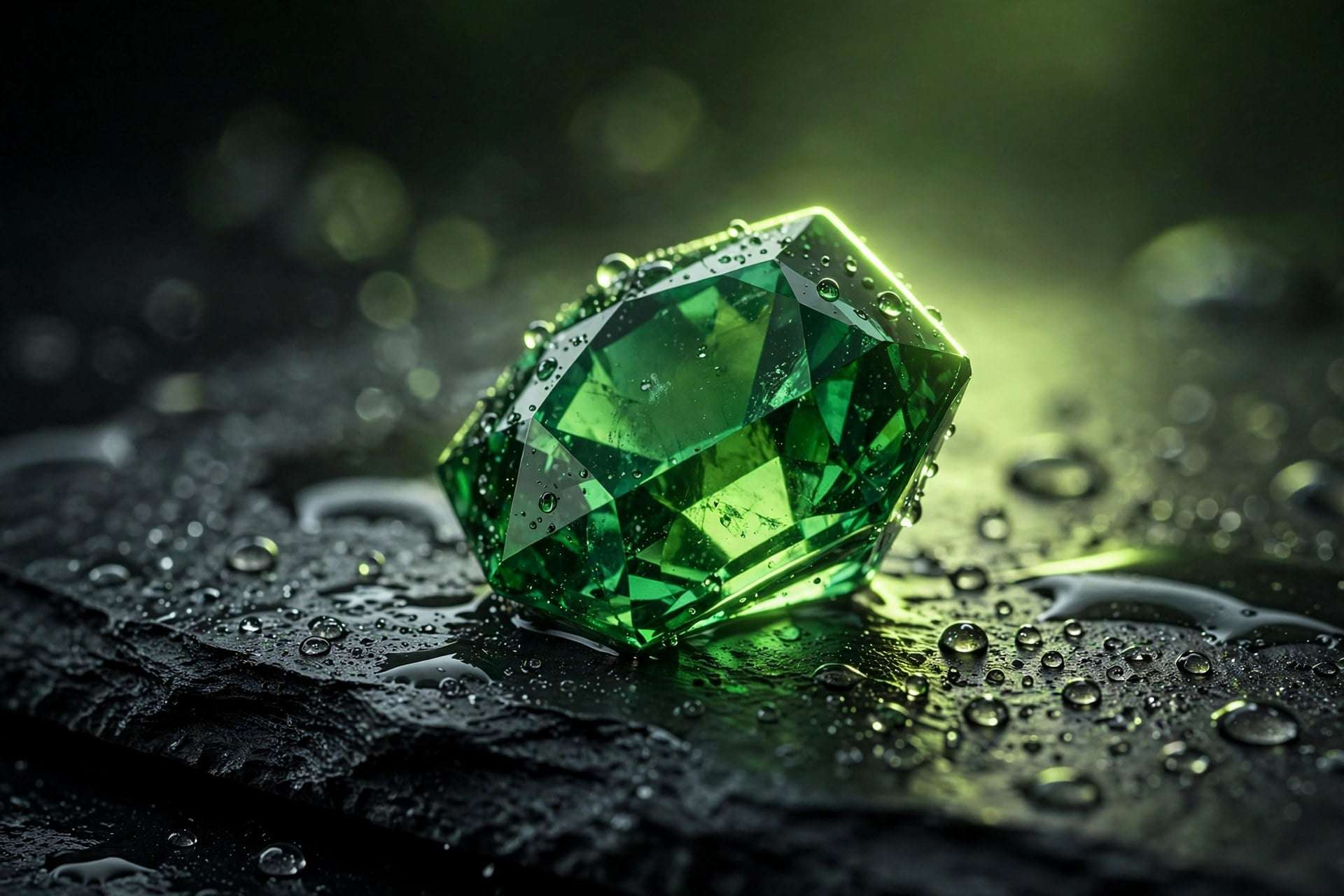
Two new models just went live on Pixazo, one for each half of visual content. The Muse Image API is Meta’s photoreal image engine; the MiniMax H3 Max API is MiniMax’s video engine with sound. Same auth, same async flow, two very different outputs. Every image and clip in this post came straight off these two endpoints, unedited.
What is the Muse Image API?
Muse Image is Meta’s latent-diffusion image model. Text-to-image is the core, but the same model also does editing (change part of an image, leave the rest), multi-image composition (blend 2 to 6 images), and reference-anchored generation (hold a subject or style across variations), each on its own endpoint under /muse-image/v1/.
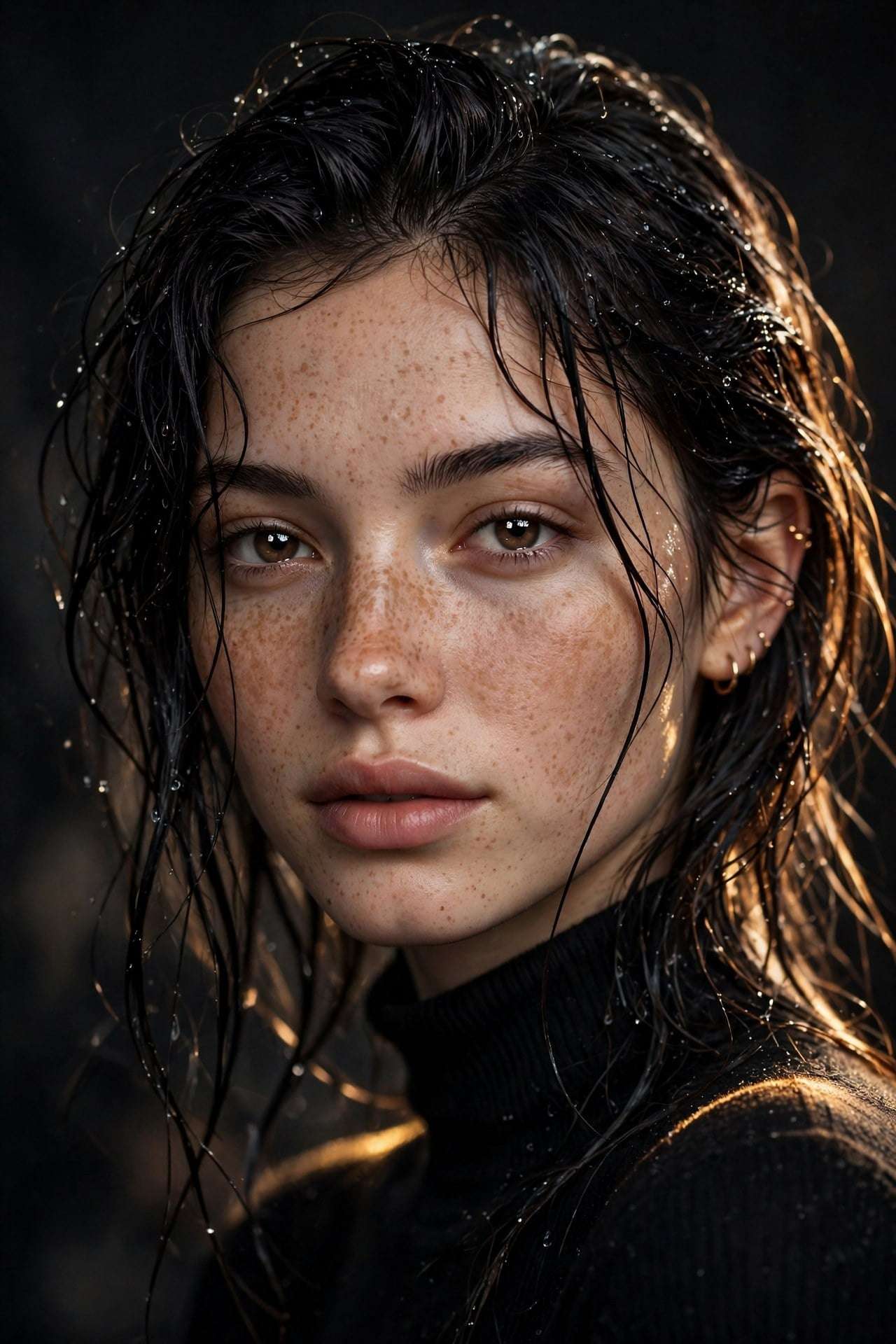
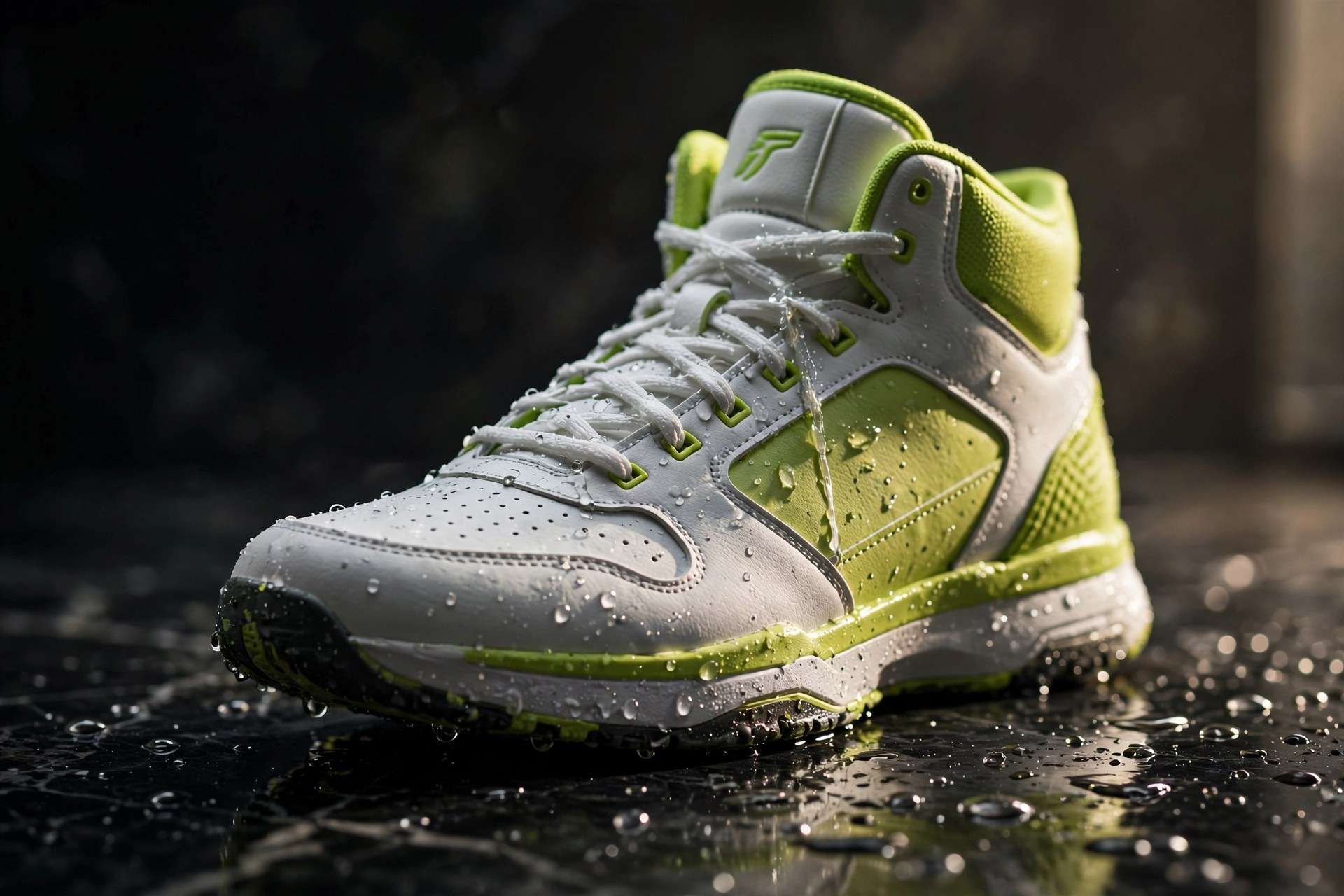
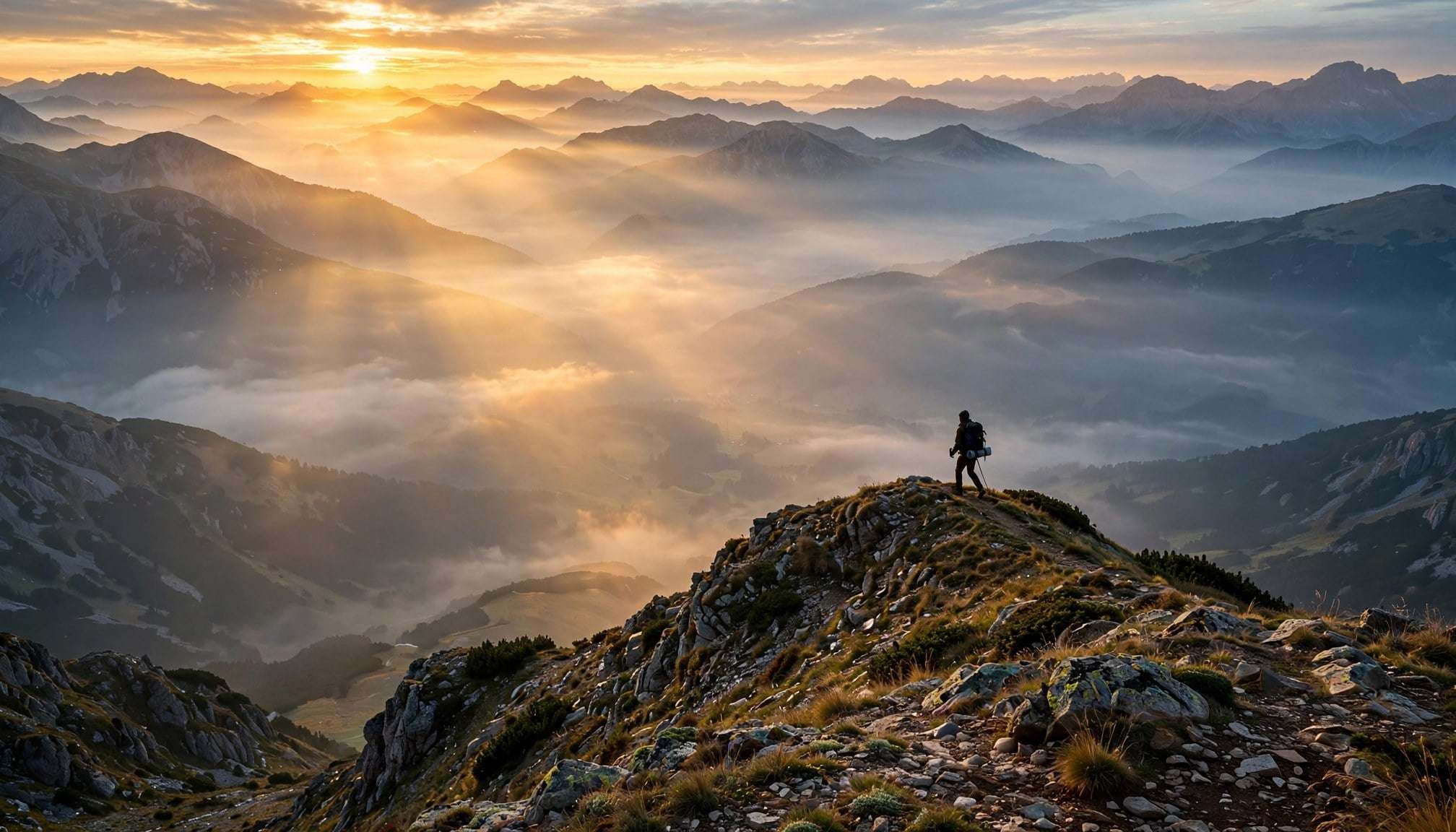
A text-to-image body takes a prompt (up to 4000 characters), optional num_images (1 to 4), an image_size (fixed sizes or aspect ratios, capped near 1600px on the long edge), an output_format (WebP, PNG or JPEG), and a quality flag. It reads a prompt with real precision, from a product macro to a wide landscape:
What is the MiniMax H3 Max API?
MiniMax H3 Max is a video model, and its headline is native audio: the clip returns with sound baked in. It runs text-to-video and image-to-video at 480P or 768P for up to 15 seconds (the default is a 5-second 768P clip), and image-to-video can take an end_image_url for first-and-last-frame keyframing. The body is a prompt, a required prompt_expansion_mode, and optional duration, resolution, aspect_ratio and seed. Unmute the real clip below:
How do the two APIs work?
Identically, which is the point. Both are queue-based and share the same three steps and the same Ocp-Apim-Subscription-Key header.
A Muse Image call and a MiniMax H3 Max call are the same shape, pointed at different endpoints:
curl -X POST "https://gateway.pixazo.ai/muse-image/v1/text-to-image" \
  -H "Ocp-Apim-Subscription-Key: YOUR_API_KEY" \
  -H "Content-Type: application/json" \
  -d '{"prompt": "a faceted emerald on wet slate", "num_images": 1,
"image_size": "1536x1024", "output_format": "png"}'curl -X POST "https://gateway.pixazo.ai/minimax-hailuo-h3-max/v1/text-to-video" \
-H "Ocp-Apim-Subscription-Key: YOUR_API_KEY" \
-H "Content-Type: application/json" \
-d '{"prompt": "emerald ink swirling in water", "duration": 5,
"resolution": "768P", "prompt_expansion_mode": "balanced"}'Both return a 202 with a real request_id, then the finished job carries output.media_url: a WebP or PNG for Muse Image, an MP4 for MiniMax H3 Max.
What do they cost?
Two billing units, both pay-as-you-go, both charged only on success.
A 5-second 768P clip runs about $0.40; 480P drops to $0.05 per second. On speed, Muse Image averaged about 49 seconds per image over the last 30 days at 100 percent success; video takes longer, so treat both as async and use the webhook for anything user-facing. New accounts get 10% cashback on their first top-up (up to $500).
Suggested Read: 150 Free AI Character Sheets: A Full Gallery for Your Stories, Videos & Games
Muse Image or MiniMax H3 Max: which do you need?
Not competitors, two halves of a pipeline. Muse Image when the deliverable is a still; MiniMax H3 Max when it has to move and make sound.
| Muse Image | MiniMax H3 Max | |
|---|---|---|
| Type | Text to image, plus edit, compose, reference | Text to video and image to video |
| Output | WebP, PNG or JPEG image | MP4 video with native audio |
| Ceiling | Around 1600px on the long edge | 15 seconds at 480P or 768P |
| Determinism | Non-deterministic, no seed | Seed supported |
| Pricing | $0.011 per image | $0.08 per second (768P) |
| Provider | Meta | MiniMax |
Run a Muse Image request →
Where does each one fit?
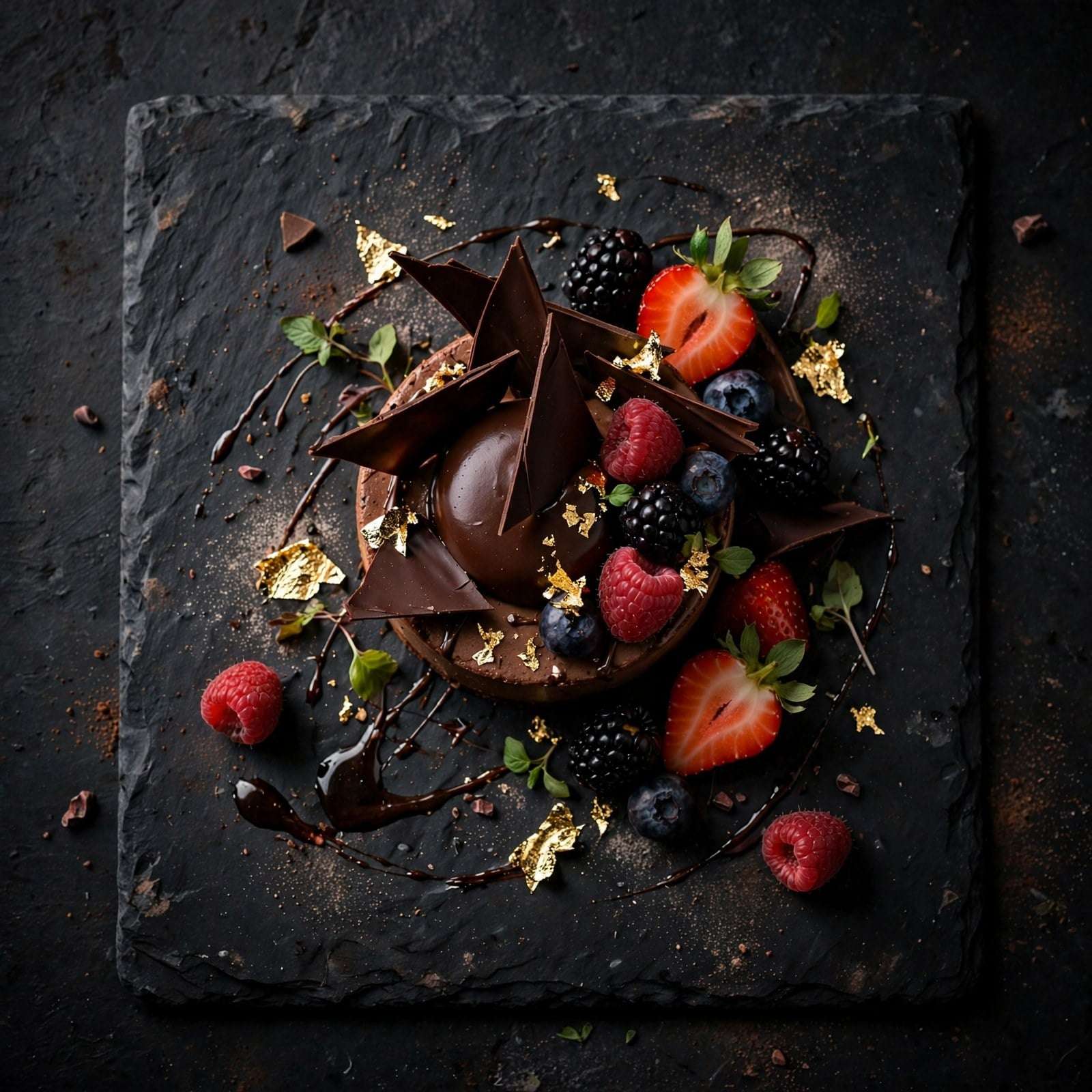
Muse Image covers static assets: product shots, hero images, editorial portraits, food and packaging, plus the editing and compose endpoints for retouching or dropping a product into a new scene without a reshoot.
Suggested Read: MiniMax H3 Max API Pricing: Complete Breakdown & the Cheapest Way to Access It
MiniMax H3 Max covers anything that plays: short social clips, animated product spots, and image-to-video motion built from a still you already made, now with sound instead of a silent loop. Together they chain: generate a frame in Muse Image, then hand it to MiniMax H3 Max as the first frame of a clip. We did exactly that with the sneaker from section one:
What are the limits?
Muse Image is non-deterministic and takes no seed, so an exact image cannot be reproduced; it has no masked inpainting (describe the change in the prompt), no transparent background, and caps near 1600px on the long edge. Unsupported parameters return a clear 400 rather than failing quietly.
MiniMax H3 Max tops out at 15 seconds and 768P, runs a safety checker by default, and is rate limited to 50 calls per 60 seconds. An occasional upstream failure can happen with any generative video, but failed jobs are never billed on either model.
Suggested Read: How to Make a Product Video with AI: A Complete Guide in 2026
How do you get started?
Open either model page, hit Try Now, and the console loads with your subscription key in place. Send a body, poll the shared result endpoint, and drop the same call into your backend behind a webhook. Because both APIs share the flow, wiring up the second is almost free once the first works.
Try the MiniMax H3 Max API →
The takeaway
Muse Image gives you photoreal stills from Meta for about a cent each; MiniMax H3 Max gives you short video with real sound from MiniMax for a few cents a second. One auth header, one async flow, one dashboard, so adding both is barely more work than adding one. If you build anything visual, both are worth a real test with your own prompts.
Open the MiniMax H3 Max model page →
Suggested Read: Introducing the Ming Image API on Pixazo API
Frequently Asked Questions
What are the Muse Image and MiniMax H3 Max APIs?
Two new models on Pixazo. Muse Image is Meta’s photorealistic image model (text to image, editing, composition, reference). MiniMax H3 Max is MiniMax’s video model (text to video and image to video) with native audio.
Suggested Read: How an AI-First YouTube Channel (Bandar Apna Dost) Built a $4.25 Million Media Business?
How much do they cost?
Muse Image is $0.011 per image. MiniMax H3 Max is $0.08 per second at 768P, or $0.05 per second at 480P. There is no subscription on the call, and failed jobs are not billed.
Does MiniMax H3 Max have sound?
Yes. Native audio is its headline feature, so the returned MP4 includes sound rather than being silent. It generates up to 15 seconds at 480P or 768P.
Suggested Read: How to Make an AI Action Figure: Complete Step-by-Step Guide (2026)
Do the two APIs work the same way?
Yes. Both are queue-based: POST a job, receive a request_id and a 202, then poll /v2/requests/status/{request_id} until COMPLETED, or use a webhook. Both use the same Ocp-Apim-Subscription-Key header.
Can I use one model’s output in the other?
That is the intended pipeline. Generate or edit a still with Muse Image, then pass it to MiniMax H3 Max as the first frame of an image-to-video clip.
Can I reproduce an exact image or video?
Muse Image is non-deterministic and takes no seed, so exact stills cannot be reproduced. MiniMax H3 Max does support a seed for its video generations.
Suggested Read: Best AI Avatar Generators in 2026: 8 Top Picks Reviewed
Deepak Joshi
Author · Pixazo
Deepak writes about generative AI models, APIs, and the workflows teams use to ship them. Reviewed by Abhinav Girdhar.