AI 3D rendering. Photoreal frames, without the farm.
A render department sets up lights, shaders and passes, then waits hours per frame on a farm. Our AI renders your 3D scene — geometry, camera and layout held — into photoreal frames in one pass, with lighting, materials and depth resolved. A 3D artist checks every frame, so look-dev that queues for days comes back in a day or two.
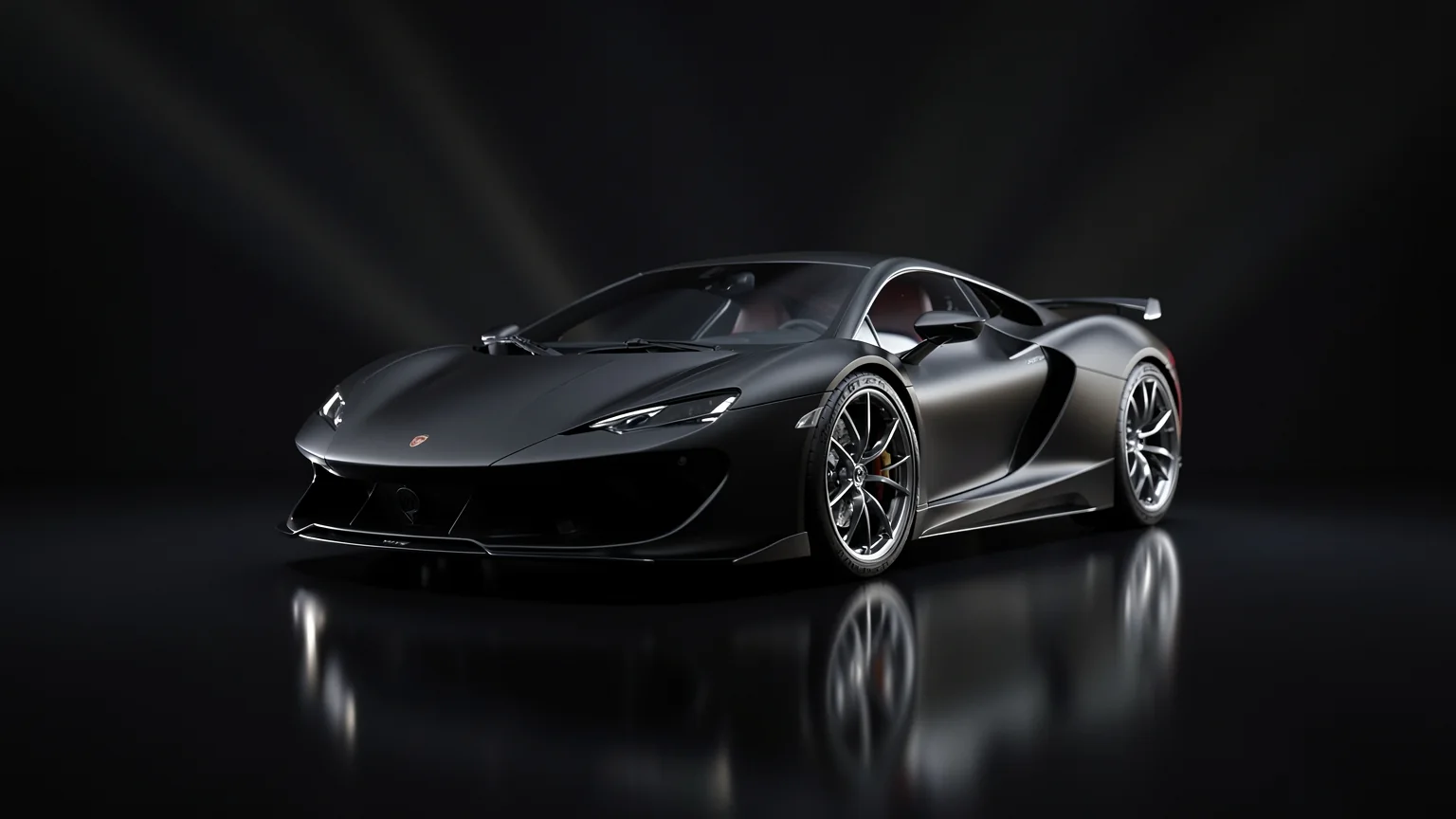
A 3D scene rendered to a photoreal frame by AI · camera, layout and materials preserved
ProRes
What a render farm computes for hours, the model renders in one pass
We are not a render farm with faster machines. We are an AI lab: the frame-by-frame compute that fills a farm’s queue is done by the model in a single pass, and 3D artists are spent only where judgment matters. The result is the same deliverable — a photoreal 3D render — in a day or two instead of days.
| The job | Traditional 3D pipeline | Pixazo AI |
|---|---|---|
| Rendering frames | Hours per frame on a render farm | One AI pass to a photoreal frame |
| Lighting and materials | Lit, shaded and tuned per shot | Resolved by the model; a 3D artist checks them |
| Turnaround | Days per sequence, queued on the farm | 24–48h on a standard shot |
| Cost driver | Core-hours and engine licences | Shot class; one free test shot gives the number |
Where the artist still matters: the final look (does the frame read as real), reflective and refractive materials, hero assets, and anything a supervisor would send back. Every frame is checked before it leaves.
What actually comes back
Send your 3D scene, a layout or a reference, and say whether you want finished frames or the render passes to comp yourself.
| Deliverable | Format | Notes |
|---|---|---|
| Finished render | EXR / DPX / ProRes, your frame rate and colour space | Photoreal frames with lighting, materials and depth resolved, ready for the grade. |
| Render passes / AOVs | Per-frame EXR — beauty, depth, normals, mattes | The layers to re-light and comp the frame yourself, through our compositing pipeline. |
| Product & packshot renders | Stills or turntables | Photoreal product rendering on clean or styled backgrounds, any angle. |
| Architectural & environment | Frames or fly-throughs | 3D visualization of spaces and set extensions. Camera solves come from AI camera tracking. |
| Look variations | Multiple looks per scene | Material, lighting and time-of-day options rendered from one setup. |
The question that decides the scope: how finished is the scene? Clean geometry with a clear layout or a reference frame is a standard shot. A rough blockout, missing materials, or heavy glass and liquids are still possible, but the look becomes hand-work, and we quote it that way.
AI 3D rendering cannot do every shot
A render is only as good as the scene and the reference behind it. Where the setup gave us clean geometry and a clear intent, the pass is fast; where it did not, we say so before quoting.
- Product & packshots. Photoreal product rendering of hard goods on clean or styled sets, turntables included.
- Architectural & environments. 3D visualization of interiors, exteriors and set extensions from a model or layout.
- Character & creature look-dev. Photoreal frames from a posed asset, with skin, hair and cloth read naturally.
- Hard-surface & vehicles. Clean metals, plastics and paint with accurate reflections.
- Layout to frame. A 3D blockout, a prompt or a reference image rendered to a polished, on-model frame.
- Physically-exact simulation. Destruction, fluids and fire that must behave to spec are a sim job; see AI fire, smoke and explosions.
- Hero refractive glass and liquids. Fine caustics and transparency are rendered, then finished by an artist.
- Frame-accurate interaction. CG that must touch or occlude live action is quoted as full compositing.
- No usable geometry or reference. Without a scene, a layout or a clear reference there is nothing to render from.
- Exact engineering accuracy. CAD-true measurements and certified materials stay in a traditional renderer.
What helps most: clean geometry, a layout or reference frame, a lighting reference, and the colour space you deliver in. With those, most shots are a one-pass render.
What moves the number
We do not publish a rate card, because a clean product still and a hero creature frame full of glass are not the same job. These are the drivers; the test shot gives you the actual figure.
| Driver | Cheaper | Dearer |
|---|---|---|
| Scene | Clean geometry, clear layout | Rough blockout, no reference |
| Materials | Opaque, standard shaders | Glass, liquids, subsurface, caustics |
| Output | Beauty frames | Full AOV passes and a comped look |
| Resolution | HD / 2K | 4K and above |
| Volume | A sequence, priced per shot class | One-off hero frames |
Faster than a rate card: send one shot, ideally the hardest frame in the scene. We return the finished render and a firm per-shot number for that class of work. If you are already being quoted elsewhere, tell us the number you need to land under.
Frequently asked questions
How long does AI 3D rendering take?
Our AI 3D rendering returns a photoreal frame in 24–48 hours on a standard shot, instead of the hours-per-frame a render farm takes for photorealistic rendering.
What can AI rendering do?
AI rendering covers 3D visualization, product rendering, architectural rendering and CGI rendering. From a 3D scene, a layout or a reference it renders photoreal frames with lighting and materials resolved.
Do I get the render passes?
Yes. On request you get per-frame EXR AOVs — beauty, depth, normals and mattes — alongside the finished 3D render, so you can re-light and comp the frame yourself.
Can it match our render engine and look?
We match your colour space and reference frames so the 3D render drops into an Arnold, V-Ray or Redshift pipeline, and a 3D artist checks every frame before it leaves.
Is my scene used to train AI models?
No. Assets are covered by an NDA before anything moves, are never used for training without your written consent, and are deleted on delivery.
How much does AI 3D rendering cost?
We do not publish a rate card. Send one shot free and you get a finished result plus a firm per-shot number for that class of work.
A render is rarely one line
Rendered elements get the camera from AI camera tracking, drop into a shot through AI compositing, and often need a clean plate or set extension behind them. Match the light with AI relighting. All of it is inside the Pixazo AI Lab: 15 production capabilities, 200+ models, human-finished on every shot.
Send us the scene you can’t afford to render.
One shot, no charge, no commitment. You get the finished render, the passes as EXR AOVs, and a firm number, and you compare all three against what the farm would cost.
Send a test shotPhotoreal rendering · Lighting & materials · Render passes · 24–48h standard shot · Artist-finished

