AI rotoscoping. Weeks of roto, back in a day.
A roto team draws every matte by hand, frame by frame, and bills by the week. Our AI generates the per-frame alpha in a single pass and an artist finishes the edges, so a standard shot comes back in 24 to 48 hours. What formats come back, which software the splines open in, and which shots AI roto genuinely cannot do: all on this page, not behind a sales call.
Dragon plate · source → green → checker → black → AI alpha matte → re-composite, 6 s · fire keeps its partial transparency
SSF · .nk
What a roto lab draws by hand, the model generates in one pass
We are not a VFX lab with faster artists. We are an AI lab: the tedious, per-frame work that fills a vendor’s schedule is done by the model in a single pass, and artists are spent only where judgment matters. The result is the same deliverable, in a day or two instead of weeks.
| The job | Traditional VFX lab | Pixazo AI |
|---|---|---|
| Per-frame matte | Drawn by hand, every frame, every edge | Generated in one pass, grey-valued alpha included |
| Hair, smoke, fire | Hours of spline work per shot, often still fringed | Soft, grey-valued edges from the model; an artist checks them |
| Turnaround | One to three weeks per sequence, queued behind other shows | 24–48h on a standard shot |
| Cost driver | Artist-hours per frame | Shot class; one free test shot gives the number |
Where the artist still matters: occlusions, motion-blur decisions and anything a supervisor would send back. Every frame is checked before it leaves.
What actually comes back
Most roto vendors will not tell you this until you have already sent the plate. Our native output is a per-frame alpha matte. Splines are a separate, scoped pass — and we would rather you knew the difference before the bid than after it.
| Deliverable | Format | Notes |
|---|---|---|
| Alpha matte Native output | EXR or PNG sequence, 16-bit or 32-bit float, premultiplied or straight | Per frame, at plate resolution. Delivered in your naming convention and folder structure. This is what the pipeline produces and what it is good at. |
| Editable splines Scoped pass | Silhouette shapes (SSF), Mocha shape data, or a Nuke .nk roto node | Traced from the matte, then reduced and corrected by an artist so point counts and keyframes are workable. An auto-trace alone is dense, per-frame-baked and not something your comp artist can usefully grab. Quoted separately because it is separate work. |
| Matched plate | EXR, DPX or ProRes | Where roto feeds a cleanup or paint pass, the finished plate comes back alongside the matte. |
| Stereo isolation | Per-element mattes, L/R | Element-by-element isolation for depth displacement. Volume work — this is where per-frame cost decides a bid outright. |
| Review | Your tool | Frame.io, ftrack, SyncSketch or whatever your team already runs. Versioned to your conventions. Nothing changes on your side. |
The question that decides which one you need: what does the downstream comp actually consume? A great many delivery specs say “splines” out of habit when the shot only ever eats a matte. If it is mattes, we are fast and cheap. If it is genuinely editable splines, we are still under a full manual roto, but the gap narrows — and we will say so.
Three plates, four passes each
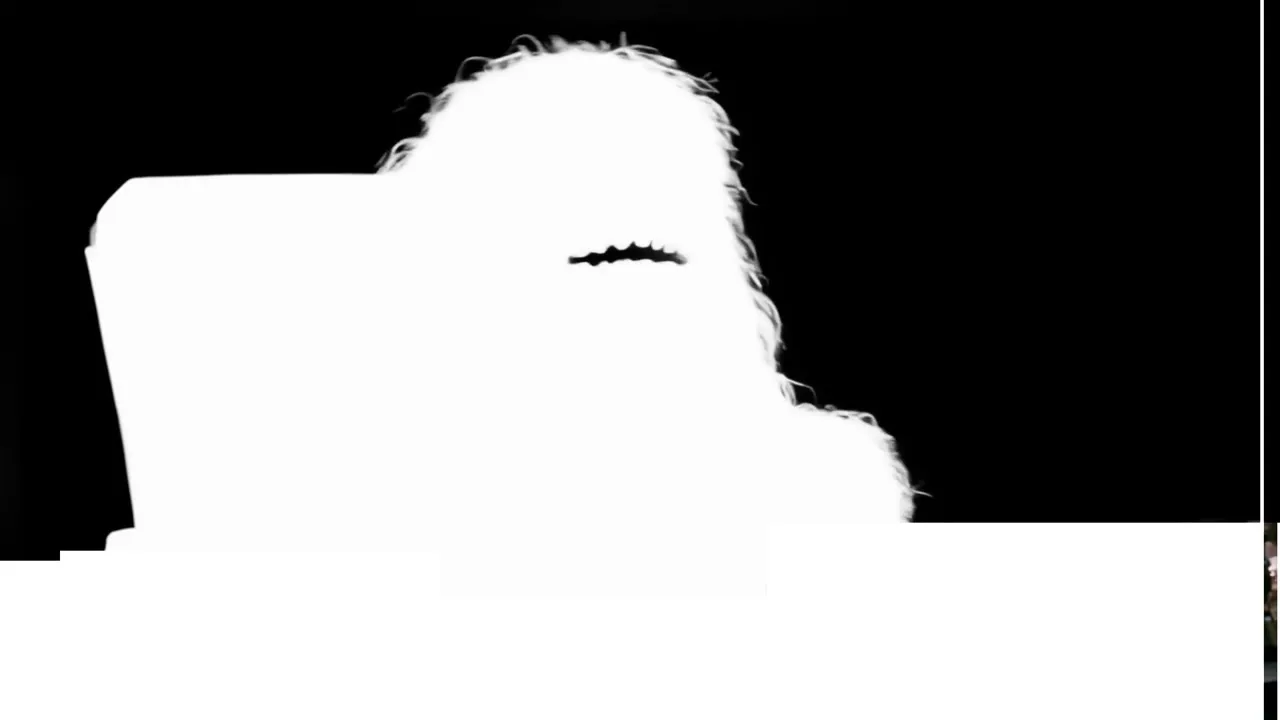
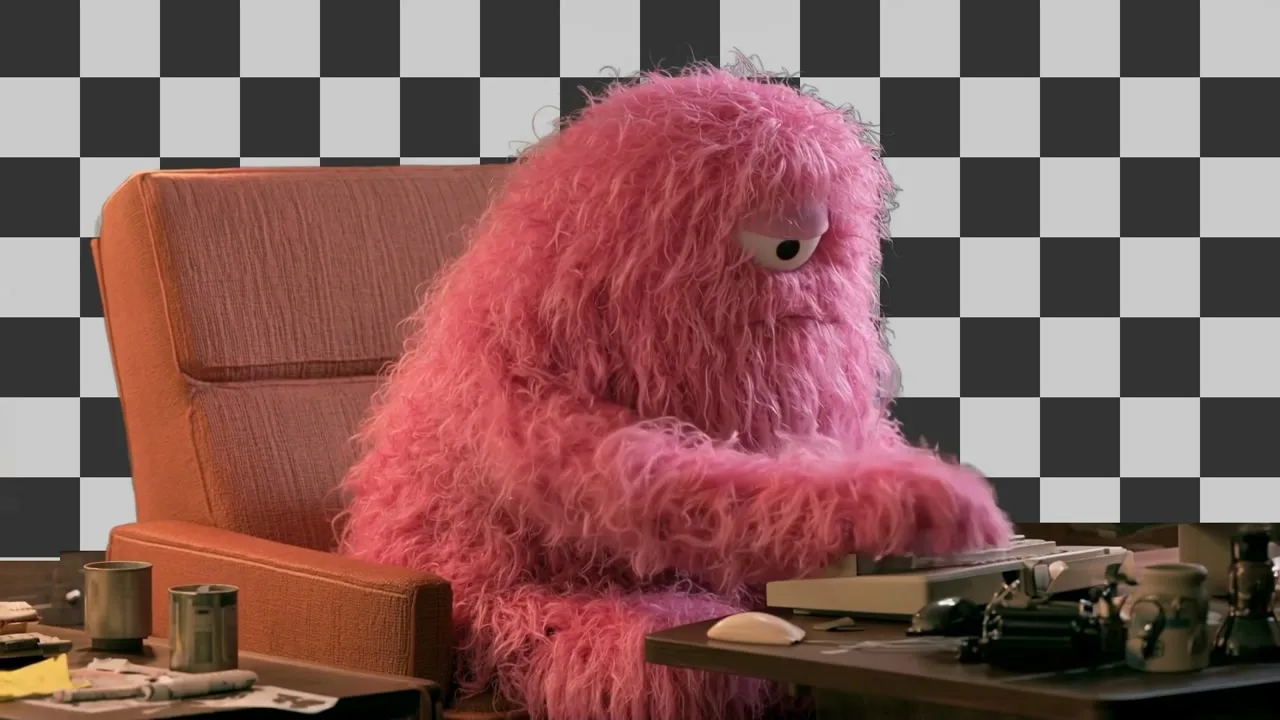
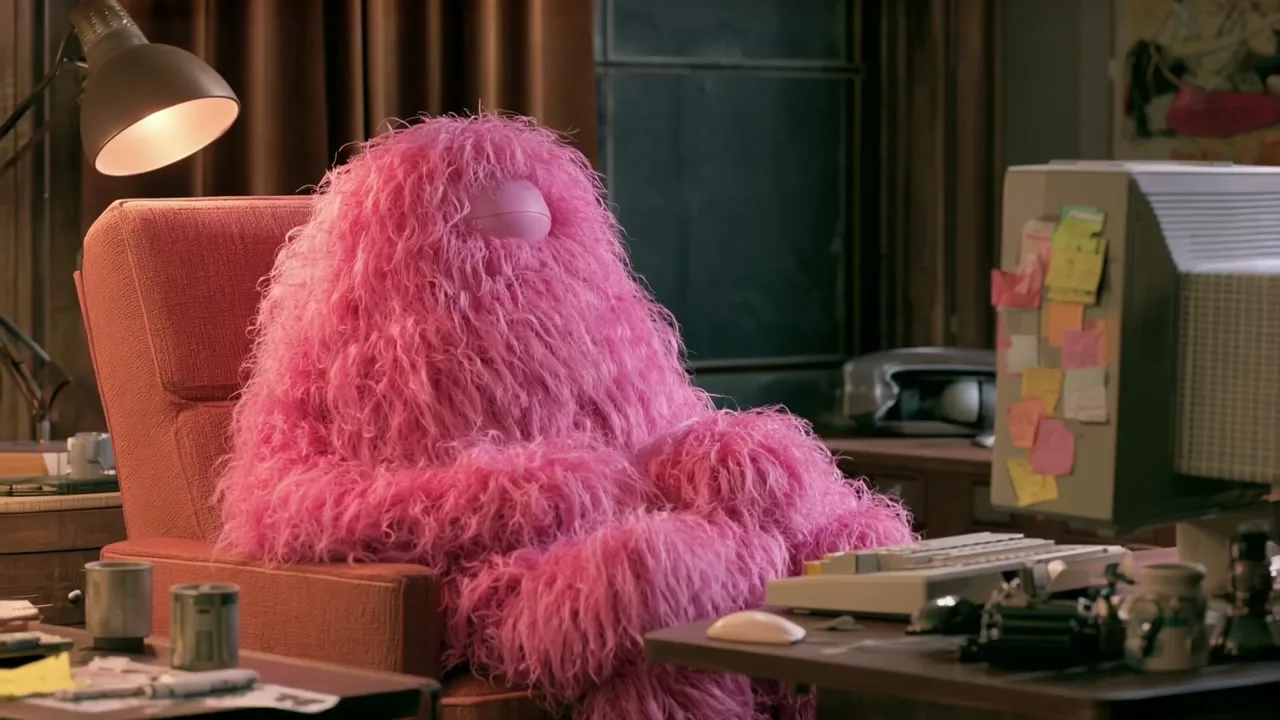
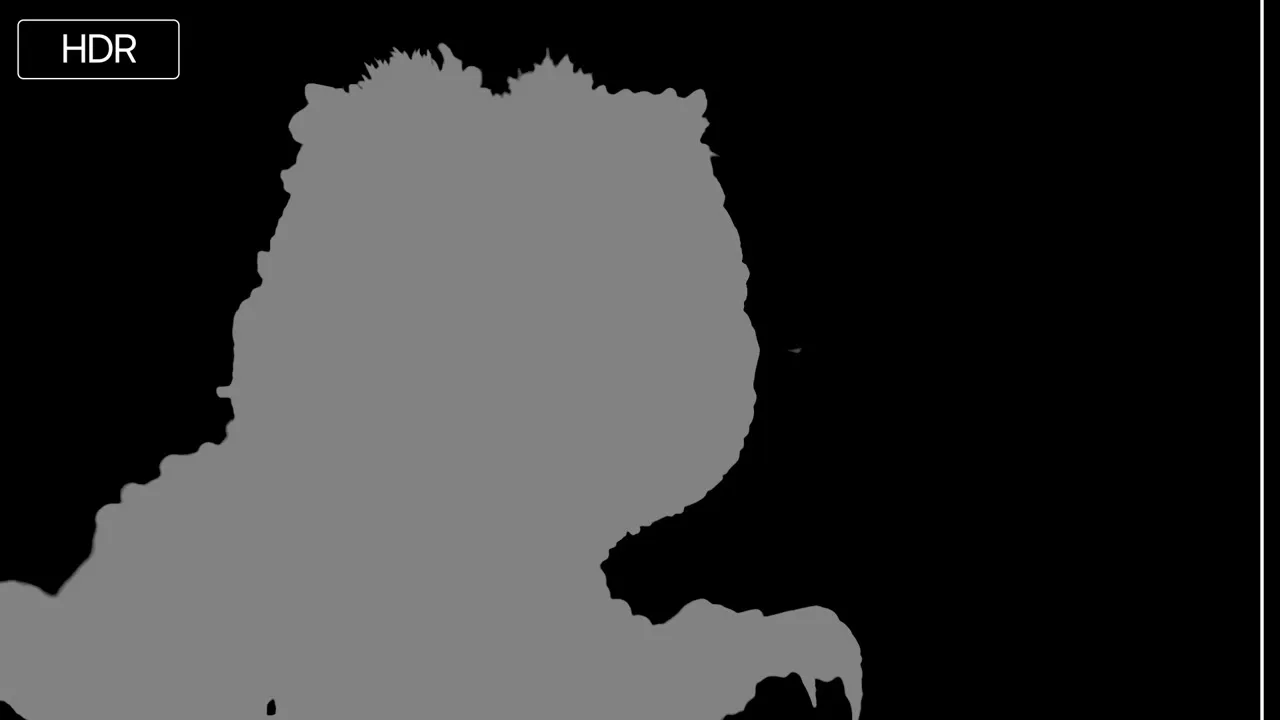
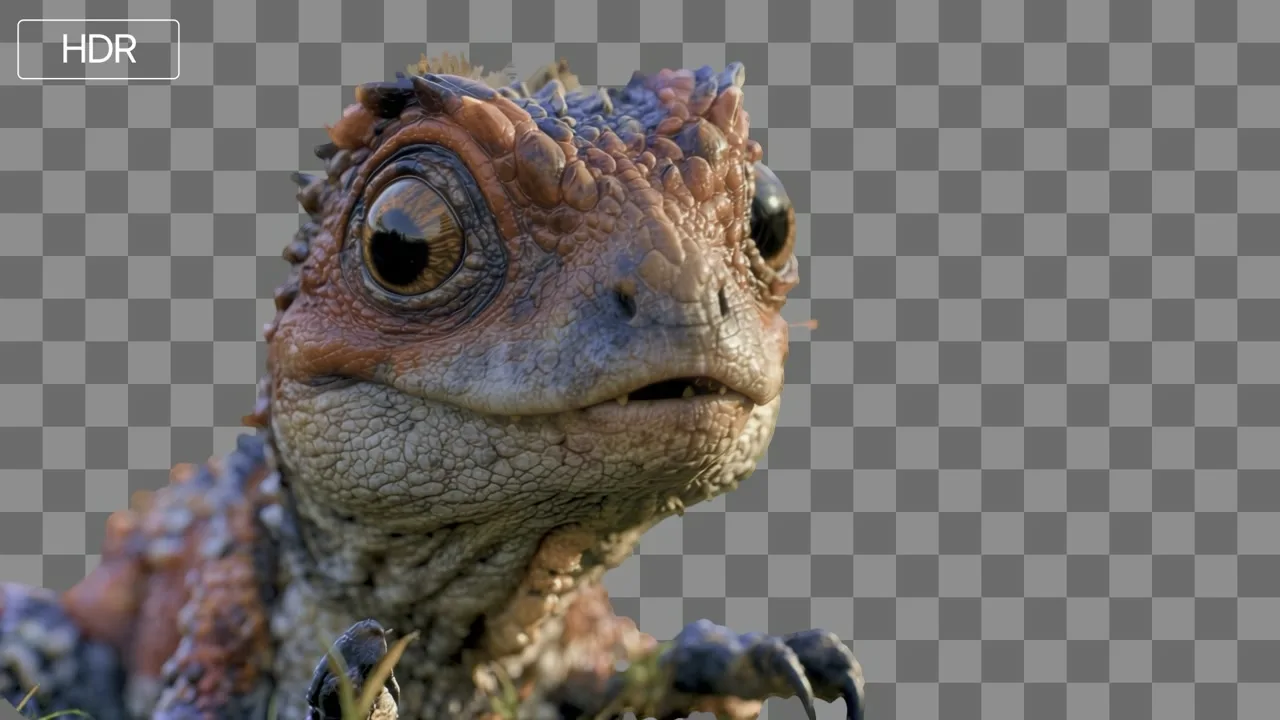
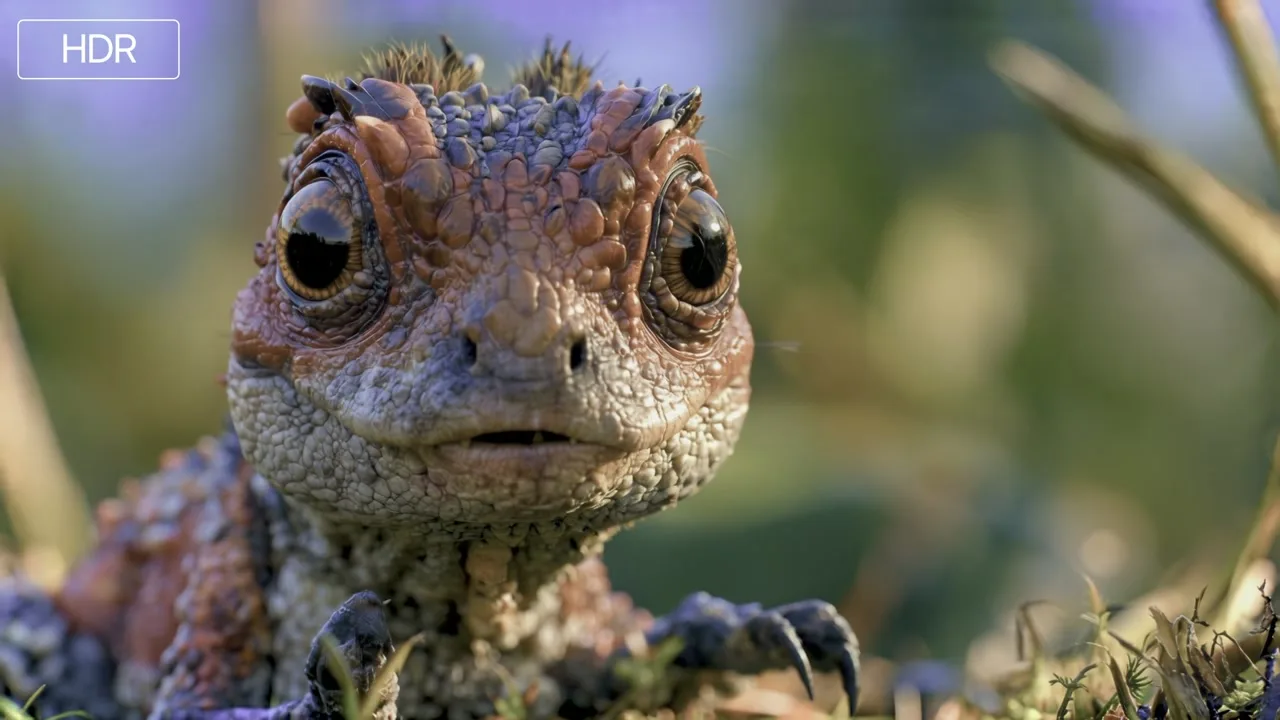
Every sample is the same frame four ways: the source plate, the alpha we deliver, the element over a checkerboard, and the re-composite into a new background. The alpha is grey-valued, not binary, which is why fire, fur and out-of-focus edges survive. Picture and matte come out of one pass; nothing is re-rendered.
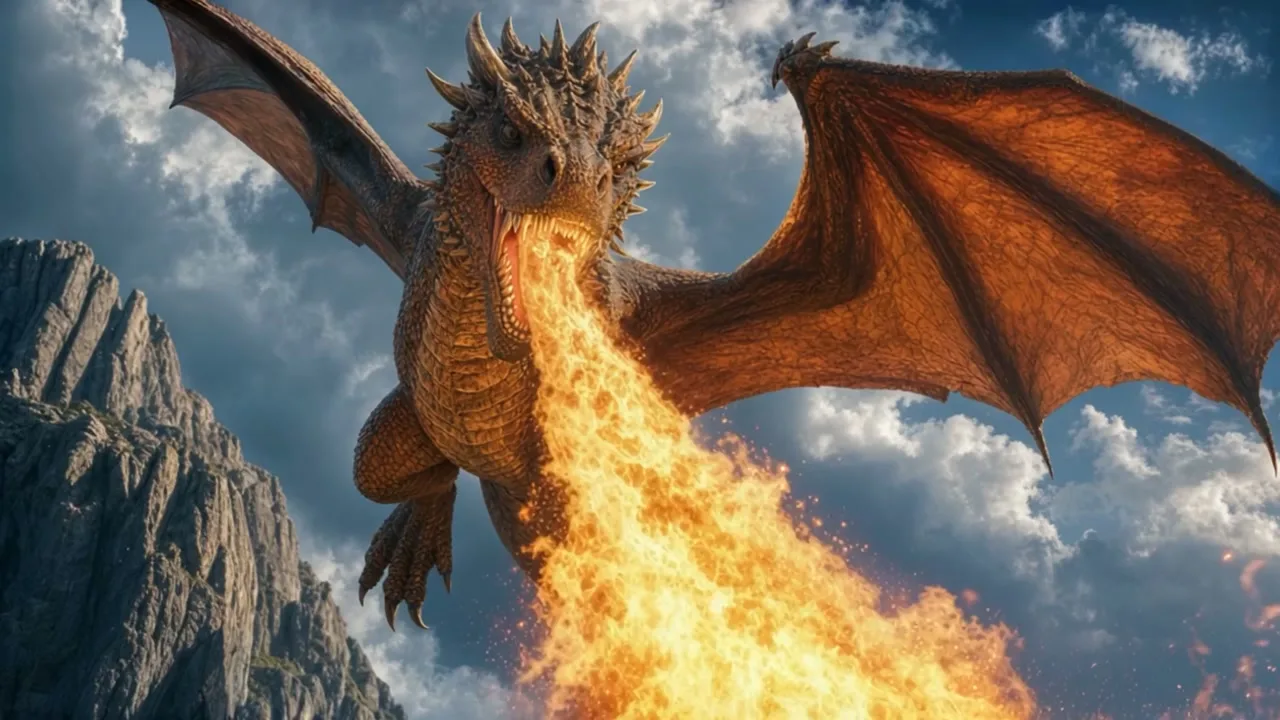 Source plate
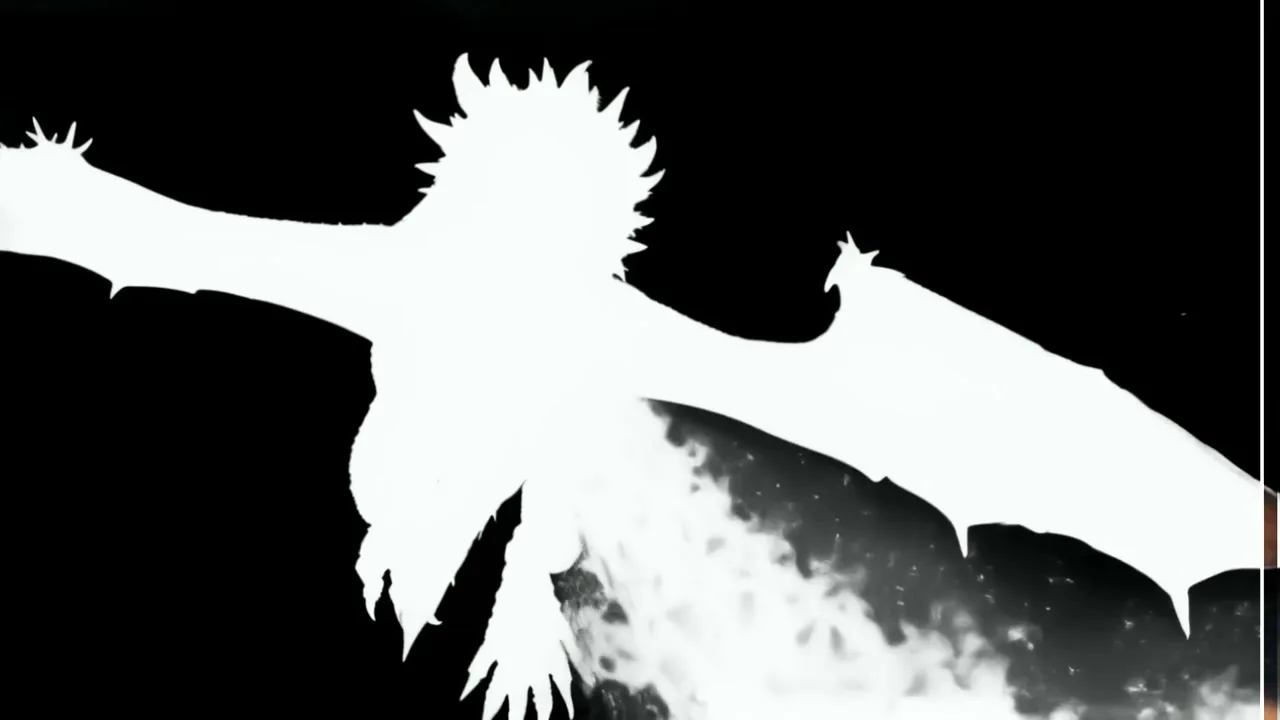 Alpha matte
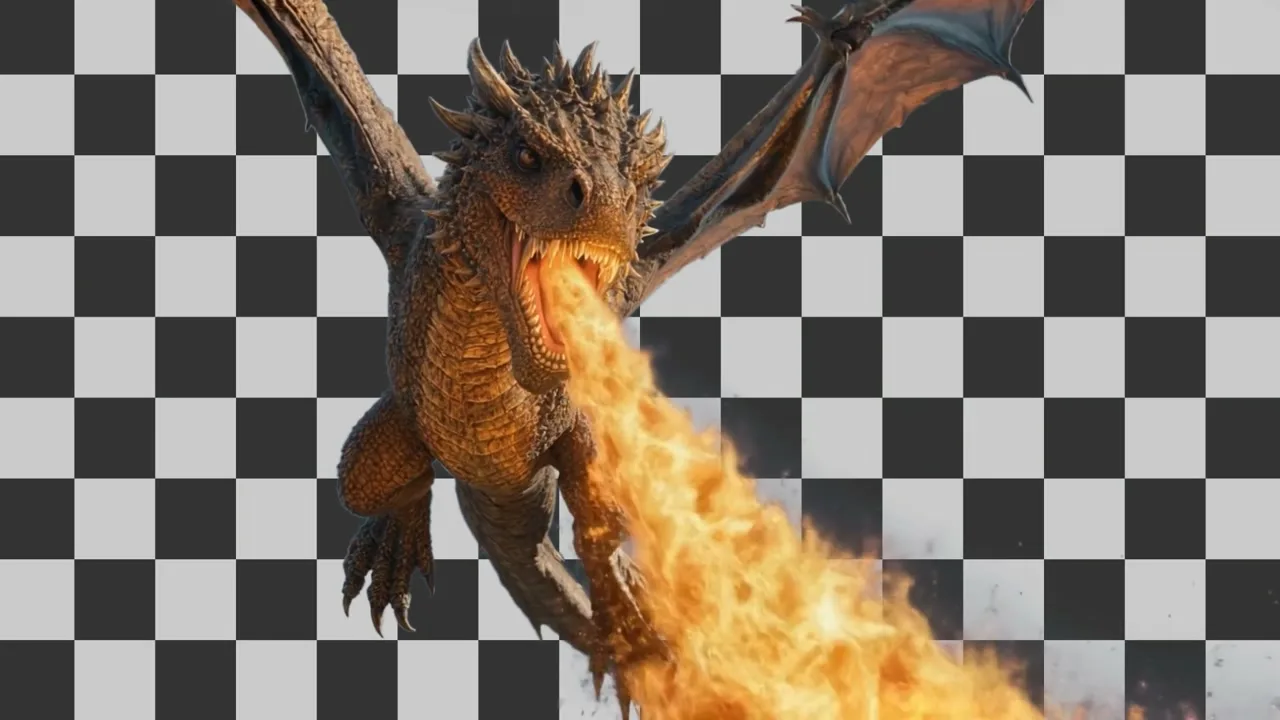 On checker
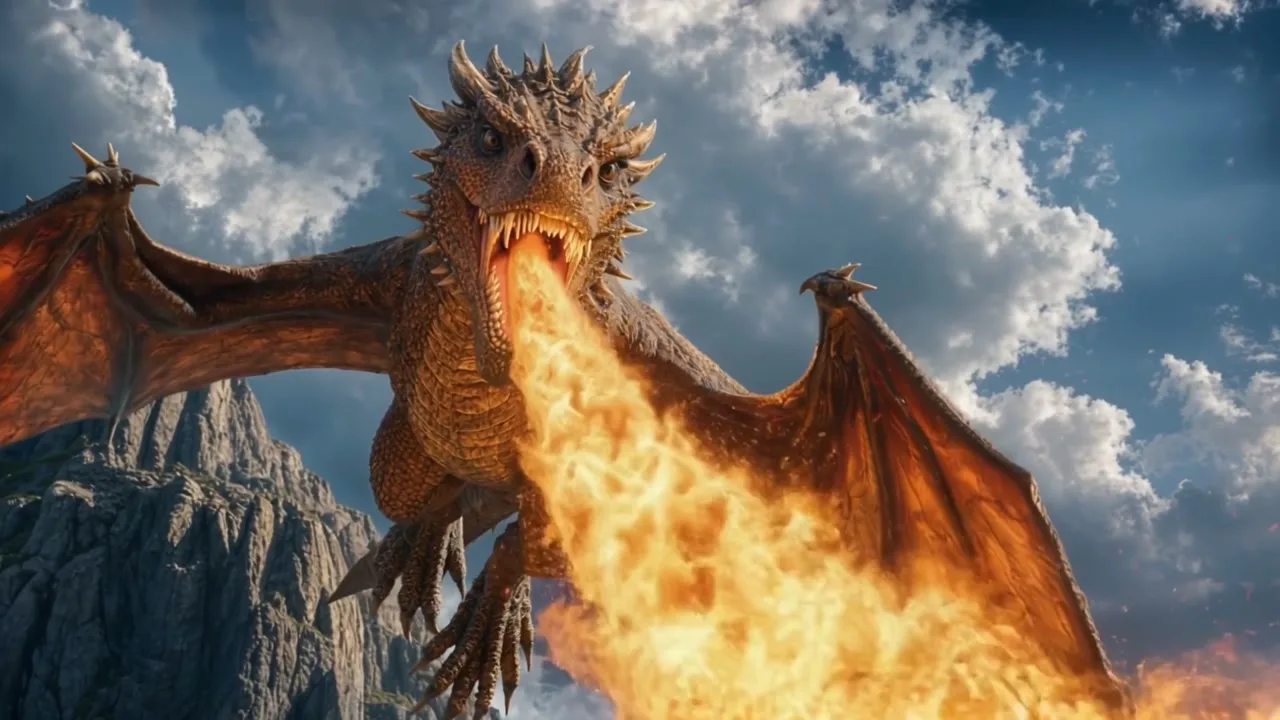 Re-composited
Dragon: fire keeps its partial transparency
The flame is not a hard cut-out. The matte goes grey where the fire is translucent, so the new sky shows through it correctly in the comp. Spikes, horns and wing edges stay crisp on green, checker and black with no fringe.
 Source plate
 Alpha matte
 On checker
 Re-composited
Puppet: fur holds without a halo
Thousands of individual fur strands are separated from a busy, warm-lit set. The chair and desk in front of the puppet stay in the element; only the room behind is keyed. The re-composite drops it into a different office with no visible edge.
 Source plate
 Alpha matte
 On checker
 Re-composited
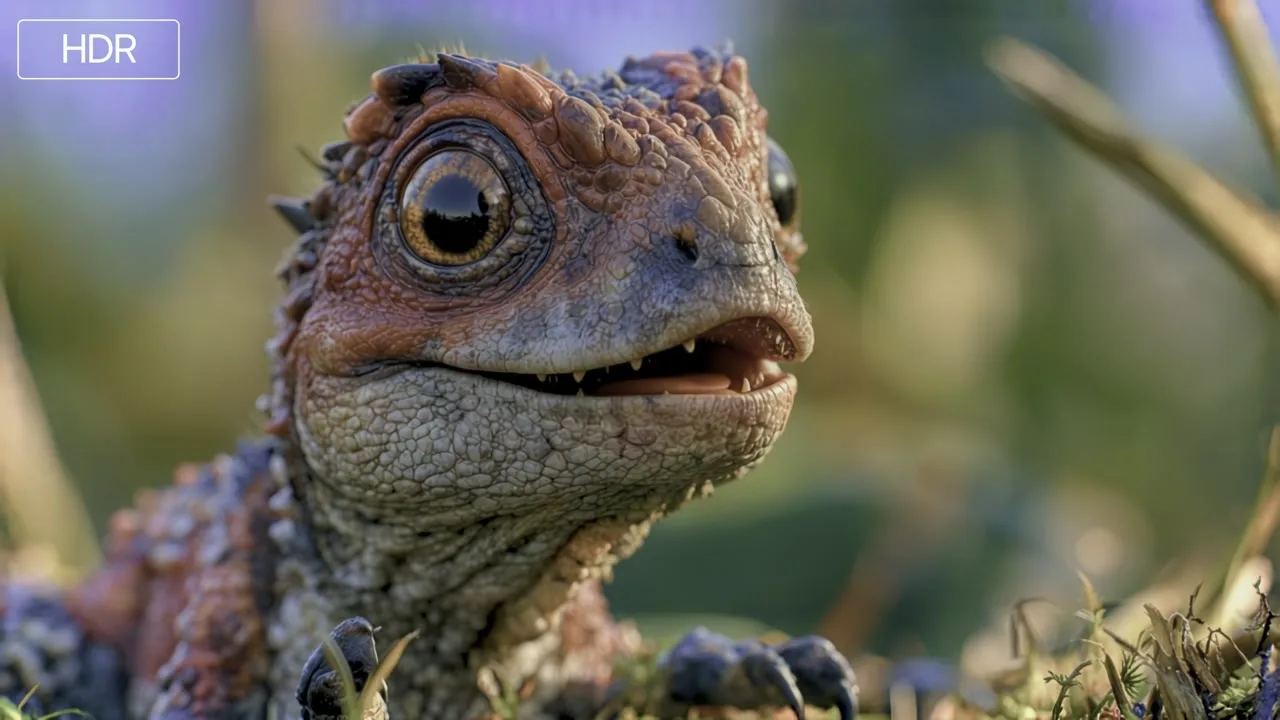
Lizard: HDR plate, grey-valued matte
Runs on HDR and EXR plates in the colour space you declare; the master picture is left untouched. Scales and the out-of-focus foreground keep gradual edges because the matte is grey-valued. Inherits the 8K workflow: 4K and 8K delivery, per-frame EXR with embedded alpha.
AI roto cannot do every shot
Anyone telling you otherwise has not delivered at a broadcast bar. The uncomfortable part is that the shots eating the most manual hours are often the ones AI handles worst — so this does not shave the top off the hard work, it removes the easy volume. That is still a large saving. It is just not the one most vendors describe.
- Whole figures against a separated background Human bodies are what the models are overwhelmingly trained on.
- Hard-edged, opaque subjects Vehicles, props, architecture, signage.
- Long frame counts of one consistent subject Where the per-frame saving compounds — the longer the shot, the wider the gap.
- Mattes feeding a grade or a soft background replace Anywhere the edge has room to be cheated.
- Cleanup, paint and rig removal volume Repetitive frame-by-frame work with a clear target.
- Hair and fur You get a silhouette. A usable hair matte needs proper extraction.
- Motion blur AI puts a hard edge where there should be a semi-transparent gradient. The most obvious tell in a delivered shot.
- Transparency Glass, smoke, water, veils, sheer fabric — partial alpha is not a concept the model has.
- Crossing and occlusion Two figures passing, an arm across a torso, a subject exiting behind something and returning. Identities swap.
- Temporal chatter Per-frame inference boils frame to frame. The single most common reason AI roto is rejected in review.
- Low separation and defocus Subject and background at similar tone, or out-of-focus edges.
- Creative intent “Roto the arm but not the hand.” The model does not know what the shot needs.
We hit the occlusion failure ourselves on a 233-shot episodic conversion: reference conditioning kept collapsing minor characters onto hero faces and ran a 40% QC rejection rate until we changed the approach. It is now under 1%. We mention it because a vendor who has never hit that wall has not done the volume.
How a shot moves through
No onboarding, no pipeline integration project. We fit the way your team already works.
We don’t publish a roto rate card
And we would be wary of anyone who does. A 200-frame locked-off single subject and a 200-frame two-hander in rain are not the same job, and a card that prices them identically is either overcharging you on one or losing money on the other.
| Driver | Effect on price |
|---|---|
| Frame count | The single biggest lever, and the one that favours us most. Per-frame cost falls as the range grows. |
| Subject count and crossing | Two subjects is more than twice one subject, because the failures are at the overlap. |
| Edge character | Hair, fur, motion blur and transparency move the number more than anything else on this list. |
| Deliverable | Mattes are the cheap case. Editable splines add an artist pass. |
| Quality bar | A matte feeding a grade and a matte feeding a hero comp are different jobs. |
| Volume commitment | Slate or episodic volume prices materially below one-off shots. |
Faster than a rate card: send one shot. We come back with a finished result and a firm per-shot number for that class of work, and you put it next to what it currently costs you. If you are already being quoted by someone else, tell us the number you need to land under and we will tell you straight whether we can get there — including when we can’t.
Frequently asked questions
How long does AI rotoscoping take?
A standard shot comes back in 24–48 hours, instead of the one to three weeks a hand-roto sequence usually queues for. Longer or harder sequences are scheduled per shot class after the free test shot.
What formats do you deliver?
Per-frame alpha mattes as EXR or PNG sequences, or EXR with embedded alpha. Splines for Nuke or Silhouette are available as a separate, scoped pass.
Can AI roto handle hair, smoke and fire?
Yes on most shots. The matte is grey-valued rather than binary, so hair, fur, smoke and fire keep their partial transparency. An artist checks every frame before it leaves.
Which shots can AI rotoscoping not do?
Heavy occlusion, subjects crossing each other and some motion-blur decisions still need an artist. We tell you on the test shot, before quoting, rather than after delivery.
Is my footage used to train AI models?
No. Footage is covered by an NDA before anything moves, is never used for training without your written consent, and is deleted on delivery.
How much does AI rotoscoping cost?
We do not publish a rate card. Send one shot free and you get a finished result plus a firm per-shot number for that class of work.
Roto is rarely the only line
Rotoscoping sits inside a full AI VFX pipeline — 15 production capabilities, 200+ models, human-finished on every shot. See the full AI VFX Studio for compositing and keying, cleanup and rig removal, camera tracking and matchmove, set extension, crowd generation and clean plates, restoration and upscaling, de-age, lip-sync and dubbing.
Send us the shot you’re dreading.
One shot, no charge, no commitment — ideally whichever one your current vendor is slowest or dearest on. You get a finished result and a firm number, and you compare both against what you have already been quoted.
Send a test shotAlpha mattes · Splines on request · 24–48h standard shot · Artist-finished

