AI Book Cover Maker : Create Free Book Covers in Minutes
Create Custom Book Covers Quickly with Pixazo Best AI Book Cover Maker. Try for Free!
Get Started




Book-Cover Workflow Stages: From Start to Delivery
Research
Collect examples of effective book-cover designs, note what works, and identify patterns relevant to your project goals.
Refine
Apply targeted edits to your selected book-cover. Adjust typography, spacing, and color until every element meets your quality standard.
Generate
Use AI to produce multiple book-cover variations based on your brief. Start broad and narrow down from the strongest options.
Approve
Get stakeholder approval on the finished book-cover. Verify all text is accurate and the design meets brand and technical requirements.
Brief
Establish the key message, dimensions, color preferences, and target audience for your book-cover before any design work begins.
The Book-Cover Toolkit: A Closer Look
Resolution Control
Specify output dimensions for your book-cover. Get files sized for web display, social media, or large-format printing.
Layered Style Application
Combine book-cover style with other design parameters in a single prompt. The AI interprets complex requests and applies multiple style constraints simultaneously.
Instant Iterations
Generate multiple book-cover variations from a single prompt. Compare options and refine until the design matches your vision.
Negative Space Handling
The AI manages whitespace in book-cover designs according to book-cover aesthetic conventions, not generic poster defaults.
Text Placement Options
Describe where you want text elements positioned in your book-cover. The AI follows compositional direction about headline placement and body copy layout.
From the Book-Cover Community: Community Creations
Real creators sharing their book cover designs made with Pixazo AI.
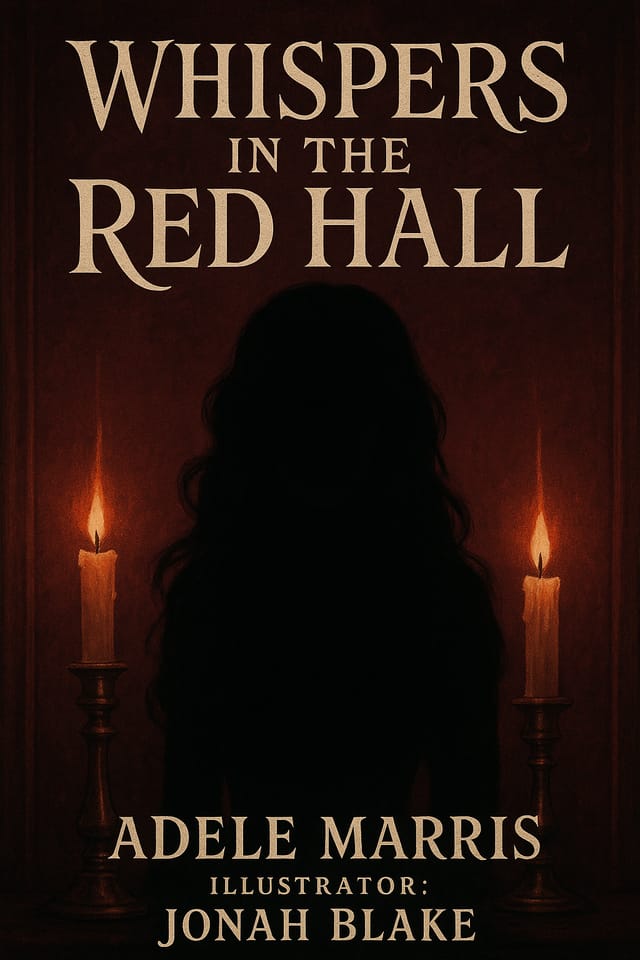
Monochromatic book-cover, single hue in multiple values, typographic hierarchy creates depth without color complexity
Portrait book-cover for social sharing, vertical 4:5 ratio, headline in upper third, supporting content below centerline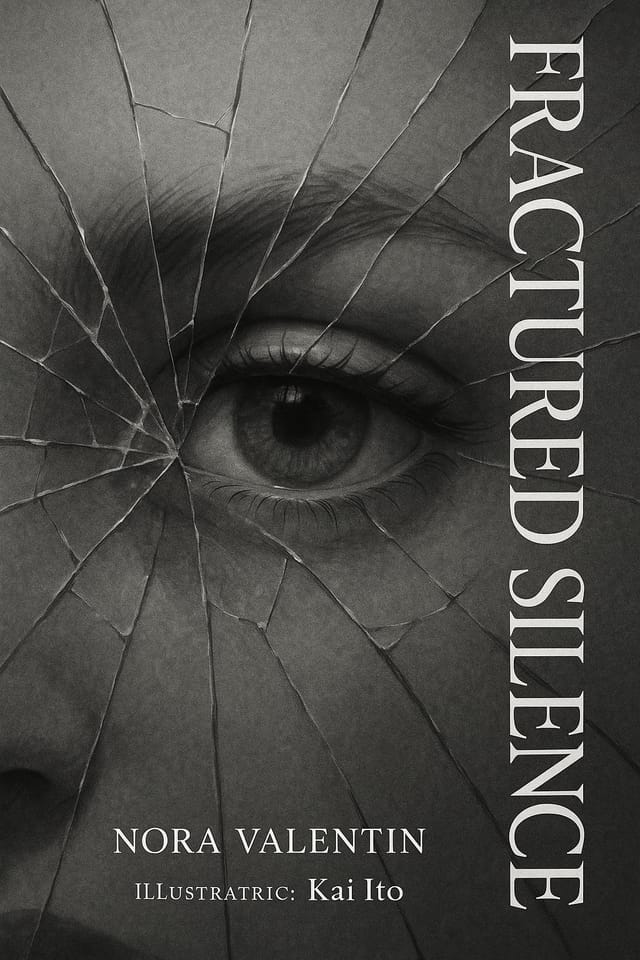
Geometric book-cover design, angular composition, color in blocks, structured grid, no decorative flourishesBook-Cover Design For: Who Uses Them
Twitter/X Headers and Post Graphics
Create book-covers sized for Twitter headers (1500x500) and in-feed graphics. Designs optimized for fast consumption in timeline scrolling.
Instagram Feed and Story Content
Create book-covers optimized for Instagram's feed (1080x1080) and story (1080x1920) formats. Designs that stop the scroll and drive engagement.
Facebook Event and Page Covers
Design book-covers for Facebook page covers, event banners, and group headers. Platform-compliant dimensions with strong visual presence.
Email Newsletter Headers
Design book-covers for email campaign headers and hero images. Lightweight files that render reliably across email clients.
Get Your Book-Cover: A Quick Guide
Watch: Creating Book Cover Book Cover designs step by step
Book-Cover Style Movements: Current Directions
Data-Driven Visuals
Incorporating charts, statistics, and structured data directly into book-cover layouts helps communicate complex messages at a glance.
Gradient Overlays
Smooth color transitions are being used as primary design elements in book-cover work, adding depth without the complexity of photographic backgrounds.
Muted Earth Tones
Natural color palettes with warm neutrals and desaturated greens are replacing the bright neon trends of previous years in book-cover work.
Organic Shapes
Flowing, irregular forms are replacing sharp geometric shapes in book-cover backgrounds and decorative elements for a softer visual feel.
Brutalist Design
Raw, intentionally unpolished book-cover aesthetics with stark contrasts and unconventional layouts are carving a niche in creative industries.
Quantifying Book-Cover Design: What the Data Shows
Start with a 7-day free trial (credit card required)
Start with a 7-day free trial (credit card required)
Number of book-cover variations you can generate per session
Number of book-cover variations you can generate per session
From initial prompt to finished book-cover in a simple workf
From initial prompt to finished book-cover in a simple workflow
Design Variations for Book-Covers: Design Directions
Editorial Book-Cover
Text-dominant book-cover layout inspired by print publication design. Typographic variety creates visual rhythm.
Textured Book-Cover
Book-Cover design with added surface depth. Background treatments add visual interest without disrupting legibility.
Classic Book-Cover
Traditional book-cover design principles applied to modern book-cover format. Clean composition, conventional hierarchy, time-tested visual decisions.
Minimalist Book-Cover
Stripped-back book-cover approach. Fewer elements, more negative space, typography carries more visual weight.
Book-Cover Generation: Prompt Starters
Copy any prompt below and paste it into Pixazo to generate your design instantly.
Atmospheric book-cover, background treatment supports the headline without competing with it, visual weight distributed intentionallyMonochromatic book-cover, single-hue palette with value variation for contrast, typographic hierarchy creates visual interest without color complexityBook-Cover with strong visual hierarchy, largest element reads clearly, supporting elements organized by importance, clean background treatmentHigh-impact book-cover, immediate visual read at thumbnail size, clear headline dominance, supporting information structured logicallyClean book-cover design, geometric structure, disciplined typography, color accent used selectively for emphasis, printer-optimized resolutionBook-Cover Generation: Known Limitations
Known limitations and trade-offs of AI-generated book cover design. Every AI design tool has boundaries. Knowing these limits before you start helps you get the most out of book-cover generation.
New to Book-Covers? A Quick FAQ
Pixazo generates high-resolution files suitable for both print and digital use. Specify your intended output format in your prompt. Print book-covers benefit from high-DPI settings, while web and social media use works well with standard resolution output.
Longer, more detailed prompts generally produce more accurate results for book-cover design. Include all the relevant information: style direction, color preferences, content to display, intended use, and any specific design elements you want. There is no strict character limit.
Team accounts allow multiple users to share prompts, saved book-cover designs, and brand kits within a shared workspace. Team members can iterate on each other's book-cover designs and maintain consistent output across projects.
Templates apply a fixed visual structure with placeholder content. AI generation produces original designs based on your specific description. Two book-covers generated from different prompts will have genuinely different layouts, not just different text in the same box positions.
The AI generates designs at the specified dimensions. For professional print production, add 'with bleed area' to your prompt to extend background elements beyond the trim line. Crop marks and registration marks should be added in your print preparation software.

