AI Flowchart Maker : Create Free Flowcharts in Minutes
Create Custom Flowcharts Quickly with Pixazo Best AI Flowchart Maker. Try for Free!
Get Started
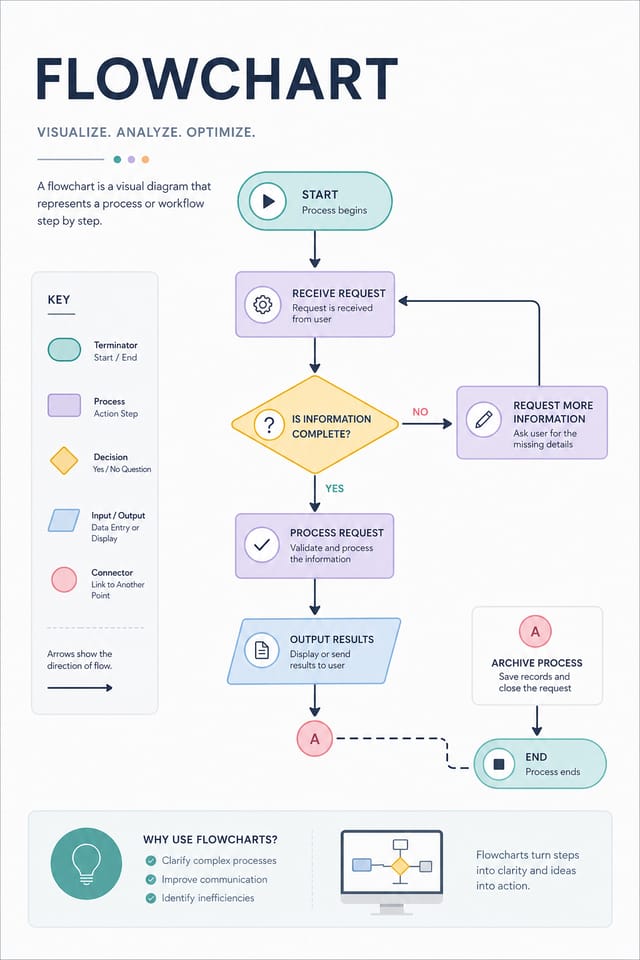
Current Flowchart Directions: Design Movements
Asymmetric Composition
Breaking grid symmetry in flowchart layouts creates visual tension and a modern, editorial feel that stands out.
Data-Driven Visuals
Incorporating charts, statistics, and structured data directly into flowchart layouts helps communicate complex messages at a glance.
Brutalist Design
Raw, intentionally unpolished flowchart aesthetics with stark contrasts and unconventional layouts are carving a niche in creative industries.
Bold Typography
Oversized type and expressive fonts are dominating flowchart design, turning headlines into visual centerpieces rather than just text.
Hand-Drawn Elements
Illustrations, doodles, and hand-lettering bring a personal, approachable quality to flowchart designs in an era of polished digital output.
Retro Revival
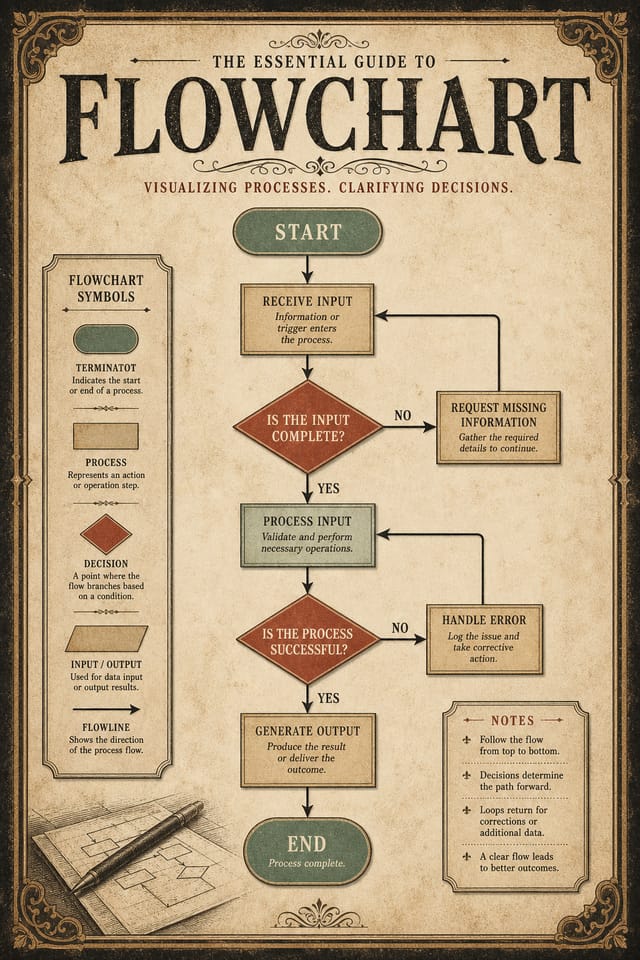
Vintage aesthetics from the 1970s and 1990s are influencing flowchart design with textured backgrounds, serif fonts, and warm gradients.
The Logic of Flowchart Design: What the AI Understands
How Pixazo Reads Flowchart Style Cues
The gap between a professional flowchart and a mediocre one usually comes down to design decisions made early in the process: palette selection, type hierarchy, and compositional structure.
These choices determine whether the final output reads as flowchart or just looks generic.
Pixazo's AI makes these foundational decisions based on your prompt.
Specify a flowchart and the system selects design parameters that match flowchart visual expectations, giving you a solid starting point rather than a blank-slate template.
The Art of Flowchart Design: Standards That Matter
Contrast as Communication
Contrast in flowchart design serves a purpose beyond aesthetics. High contrast draws the eye; low contrast recedes. Use this intentionally to guide the viewer's attention where it matters.
Focal Point Clarity
Every flowchart design needs one primary focal point. If everything demands equal attention, nothing stands out. Guide the viewer to the single most important element first.
Compositional Balance
Visual weight in flowchart design should be intentional. Asymmetric balance often creates more interest than centered symmetry, but both can work when executed with purpose.
What Powers Flowchart Design: What It Can Do
Commercial Use Rights
Designs generated with Pixazo are yours to use commercially. No additional licensing required for flowchart projects.
Compositional Structure
Layout and hierarchy decisions reflect flowchart design patterns. The proportions and arrangement match how flowchart designs are conventionally structured.
Consistency Across Variants
Generate multiple flowcharts for a project and maintain visual consistency across the set. Specify your core design parameters and vary secondary elements.
Instant Iterations
Generate multiple flowchart variations from a single prompt. Compare options and refine until the design matches your vision.
Style-Accurate Generation
The AI interprets flowchart design conventions and applies them to your flowchart, producing output that looks correctly styled rather than generically templated.
Layered Style Application
Combine flowchart style with other design parameters in a single prompt. The AI interprets complex requests and applies multiple style constraints simultaneously.
Flowchart Dos and Don'ts: Rules Worth Following
Maintain brand alignment
Keep your flowchart design consistent with existing brand colors, fonts, and visual language for a cohesive identity.
Use a consistent visual hierarchy
Structure your flowchart so the viewer's eye follows a clear path from headline to supporting details to call-to-action.
Test with real content
Never finalize a flowchart with placeholder text. Real copy often has different lengths and line breaks that affect the design.
Forget the call to action
A flowchart without a clear next step for the viewer is a missed opportunity. Always include direction on what to do next.
Overcrowd the layout
Filling every pixel of your flowchart with content makes it harder to read and reduces the impact of every individual element.
Ignore accessibility
Low-contrast text and tiny font sizes in your flowchart exclude a significant portion of your potential audience.
Effective Flowchart Prompt Inspiration
Copy any prompt below and paste it into Pixazo to generate your design instantly.
Flowchart for digital display, optimized proportions for screen viewing, colors calibrated for RGB output, legible at typical viewing distanceFlowchart with strong visual hierarchy, largest element reads clearly, supporting elements organized by importance, clean background treatmentClean flowchart design, geometric structure, disciplined typography, color accent used selectively for emphasis, printer-optimized resolutionFlowchart aesthetic flowchart, palette drawn from flowchart design tradition, layout proportions consistent with flowchart conventions, purposeful use of each elementLarge-format flowchart design, elements sized for visibility at print scale, no fine detail that would be lost in productionYour Flowchart Workflow: From Start to Finish
Frame the Brief
Write a prompt describing your flowchart. Include style preferences, color direction, the most important text to display, and any specific visual elements you want. The more specific your description, the more targeted the output.
View the AI Result
Your flowchart generates immediately after submission. Evaluate the design against your requirements and refine the prompt to correct any elements that don't match your intent.
Transfer the File
Export your flowchart in the format you need. PNG for web and social, PDF for print production, JPG for email and lightweight sharing. The file is yours to use commercially without restrictions.
Watch: Creating Flowchart designs step by step
Flowcharts Across Fields: Real Applications
Historical and Project Timelines
Generate flowcharts mapping events, milestones, and project phases along a visual timeline. Designs that make chronology intuitive at a glance.
Comparison and Versus Charts
Create flowcharts for product comparisons, feature matrices, and side-by-side analyses. Layouts that make differences and similarities immediately obvious.
Organizational Charts and Hierarchies
Create flowcharts visualizing team structures, reporting lines, and departmental organization. Professional layouts that clarify complex organizational relationships.
Photo Collages and Montages
Design flowcharts arranging multiple images into cohesive visual compositions. Grid-based and freeform layouts for photo storytelling.
Flowchart Look and Feel: Design Directions
Editorial Flowchart
Text-dominant flowchart layout inspired by print publication design. Typographic variety creates visual rhythm.
Contemporary Flowchart
Current flowchart design sensibility with updated proportions, modern typefaces, and contemporary color relationships.
Atmospheric Flowchart
Flowchart design where mood takes priority. Color and composition work together to create a specific feeling.
Minimalist Flowchart
Stripped-back flowchart approach. Fewer elements, more negative space, typography carries more visual weight.
Geometric Flowchart
Structured flowchart composition using grid systems and angular forms. Order and precision define the visual approach.
How Flowchart Projects Flow: The Full Process
Generate
Use AI to produce multiple flowchart variations based on your brief. Start broad and narrow down from the strongest options.
Review
Compare generated flowchart options against your brief. Mark what works and note specific changes needed for the next iteration.
Refine
Apply targeted edits to your selected flowchart. Adjust typography, spacing, and color until every element meets your quality standard.
Brief
Establish the key message, dimensions, color preferences, and target audience for your flowchart before any design work begins.
Before You Start: Questions and Answers
Adjust your prompt to change any element of the design. If a generated flowchart is close but not quite right, describe what you want changed and regenerate. The AI responds to specific direction about individual elements like color, layout, or typographic weight.
You can request high-contrast or color-blind-friendly palettes in your prompt. Specify 'accessible color palette' or 'deuteranopia-safe colors' and the AI will select flowchart-appropriate colors that maintain sufficient contrast for users with color vision deficiencies.
The AI renders text as specified in your prompt, so double-check spelling and punctuation before generating. If text renders incorrectly in a flowchart, adjust your prompt and regenerate. The AI follows your exact text input.
Designs generated through Pixazo are yours to use as you see fit. You retain full usage rights for commercial and personal applications. The platform does not claim ownership over your generated flowchart output.
Yes. Set up separate brand kits for each client or brand, then switch between them when generating flowcharts. Each brand kit stores its own colors, fonts, and logo so the AI applies the correct identity to every flowchart without manual reconfiguration.
What Flowchart Creators Built: Real Creator Work
Real creators sharing their flowchart designs made with Pixazo AI.
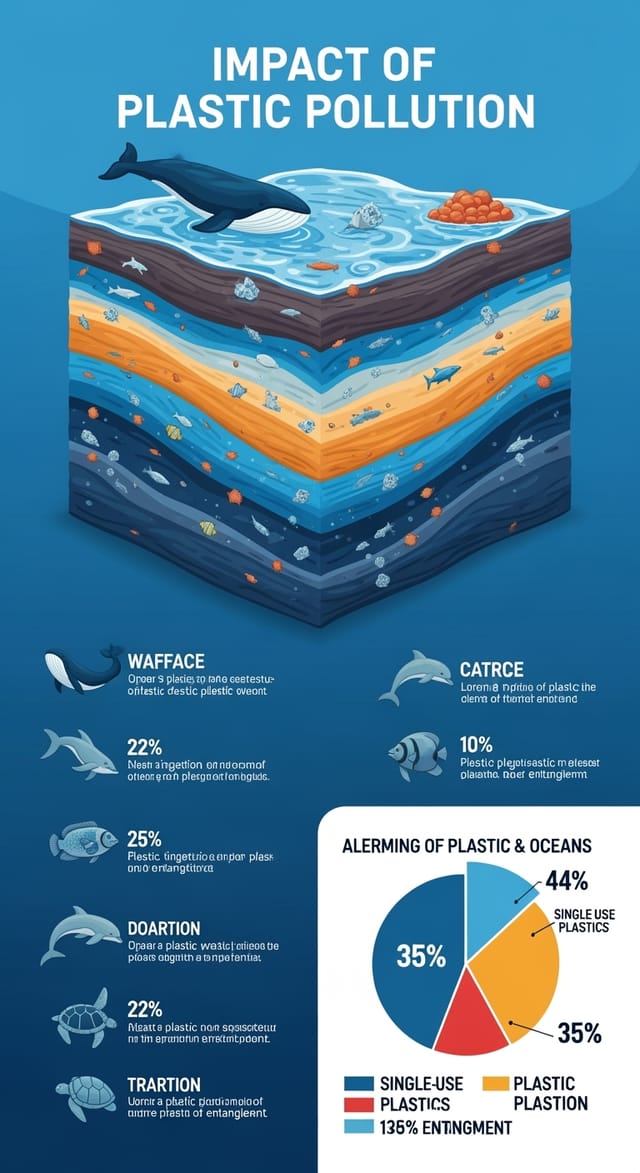
Full-bleed background flowchart, image or texture extends to edges, foreground elements float above, headline anchored to center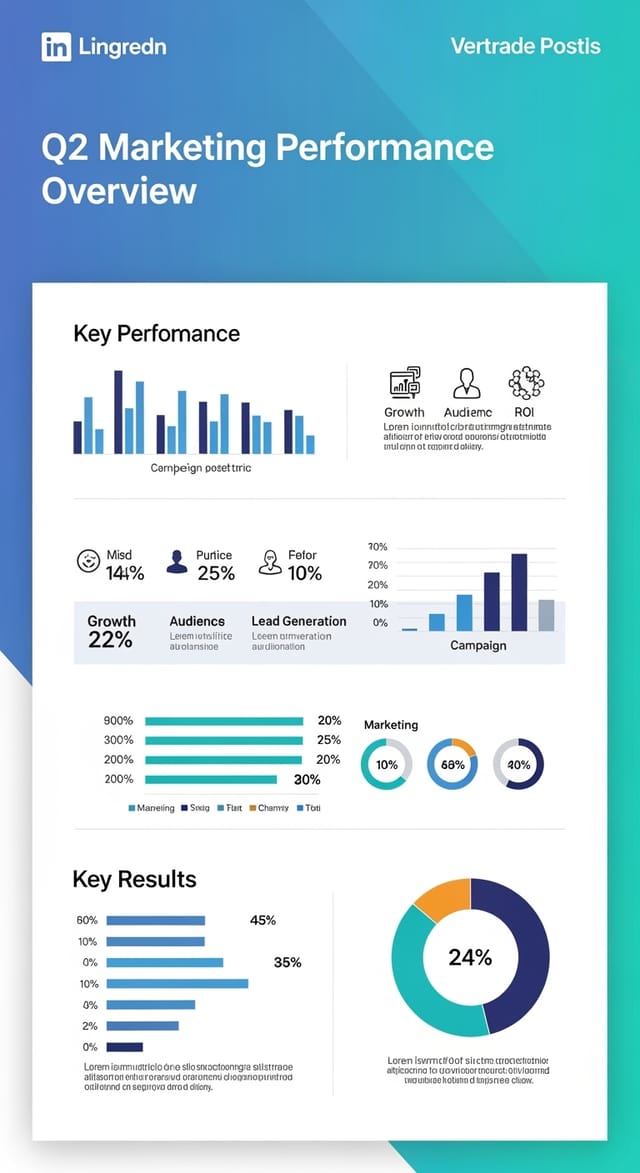
Flowchart with Japanese minimalism influence, abundant whitespace, single focal element, restrained palette of black, white, and one accent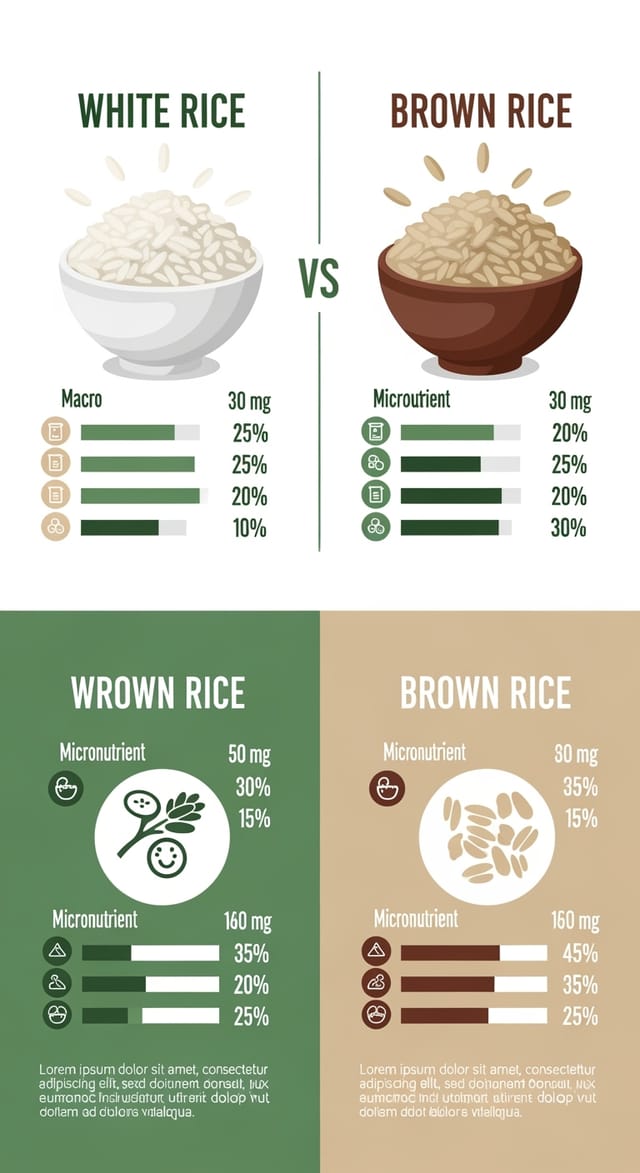
Flowchart designed for dark mode display, OLED-optimized black background, vibrant accent colors, high contrast textAI Flowchart Design: Where It Falls Short
Known limitations and trade-offs of AI-generated flowchart design. Every AI design tool has boundaries. Knowing these limits before you start helps you get the most out of flowchart generation.

