Invitation Card : Create Free Invitation Cards in Minutes with AI
Create Custom Invitation Cards Quickly with Pixazo Best AI Invitation Card Maker. Try for Free!
Get Started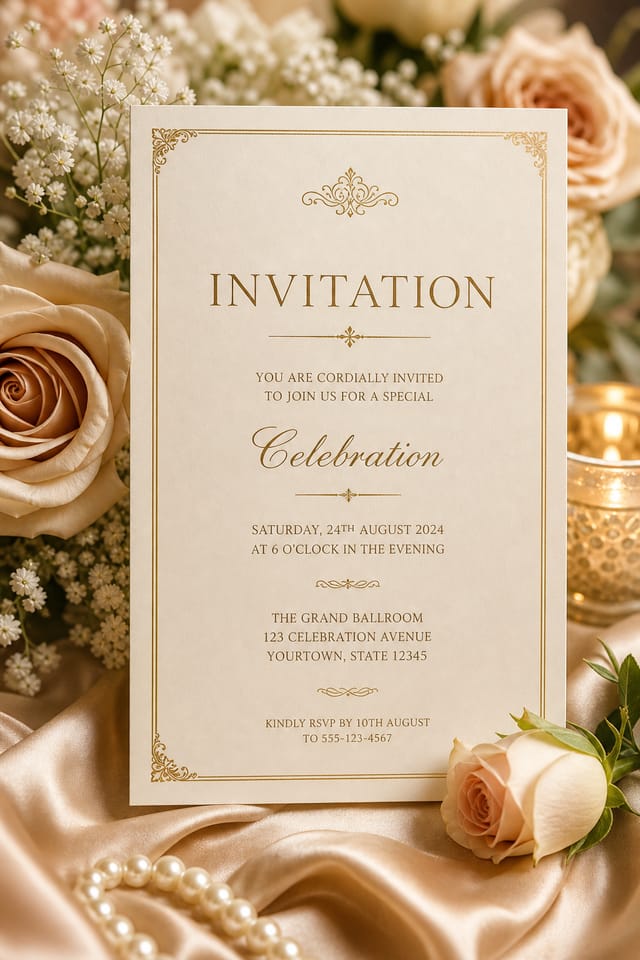
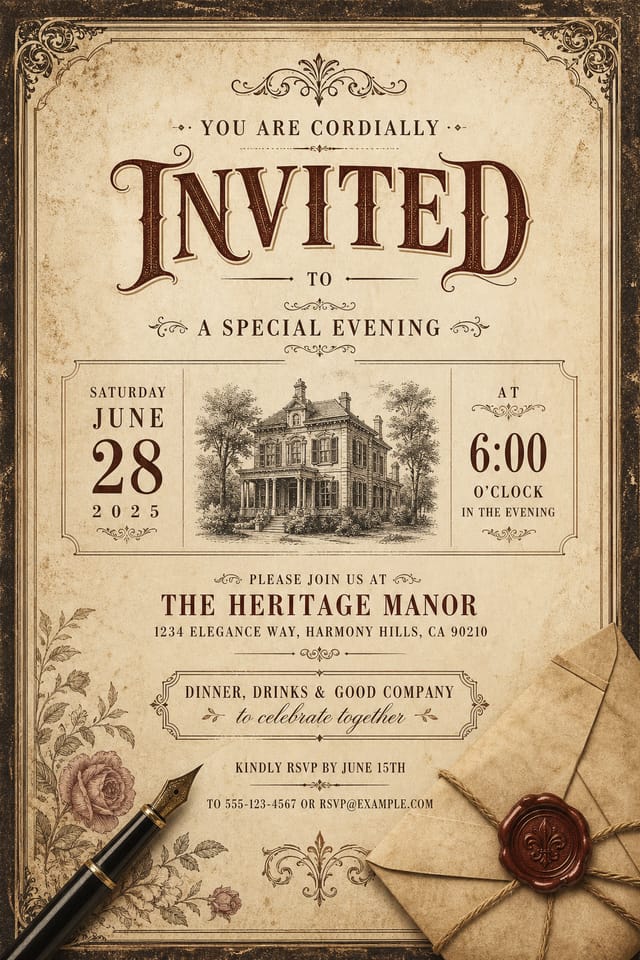
AI Invitation Card Studio: Design Reimagined
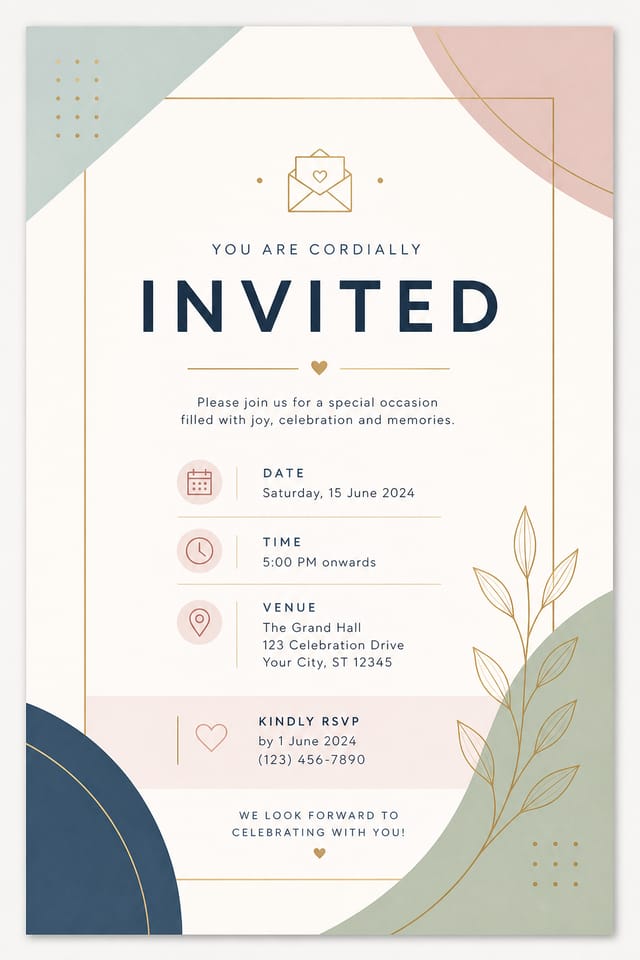
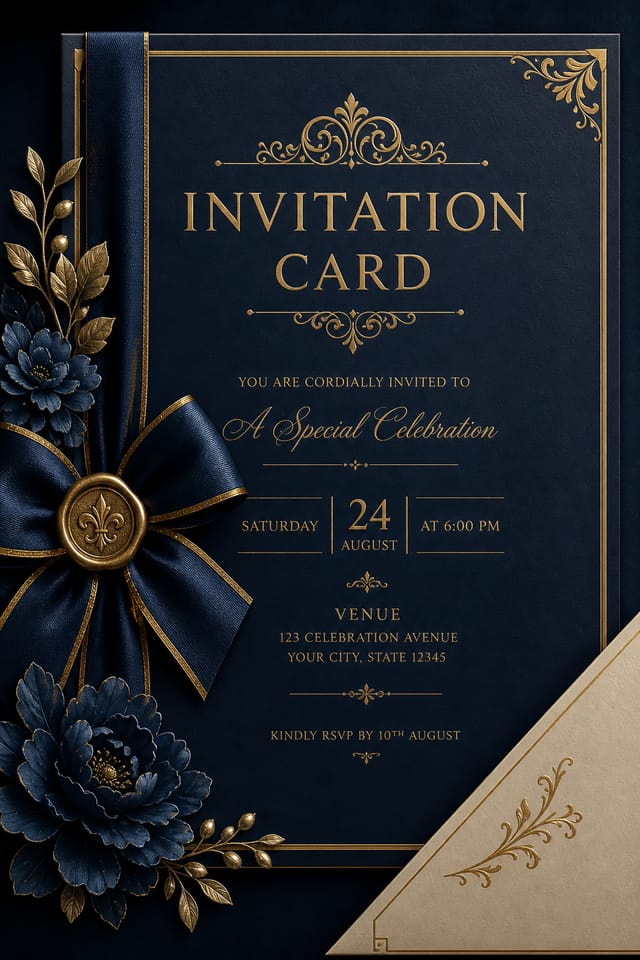
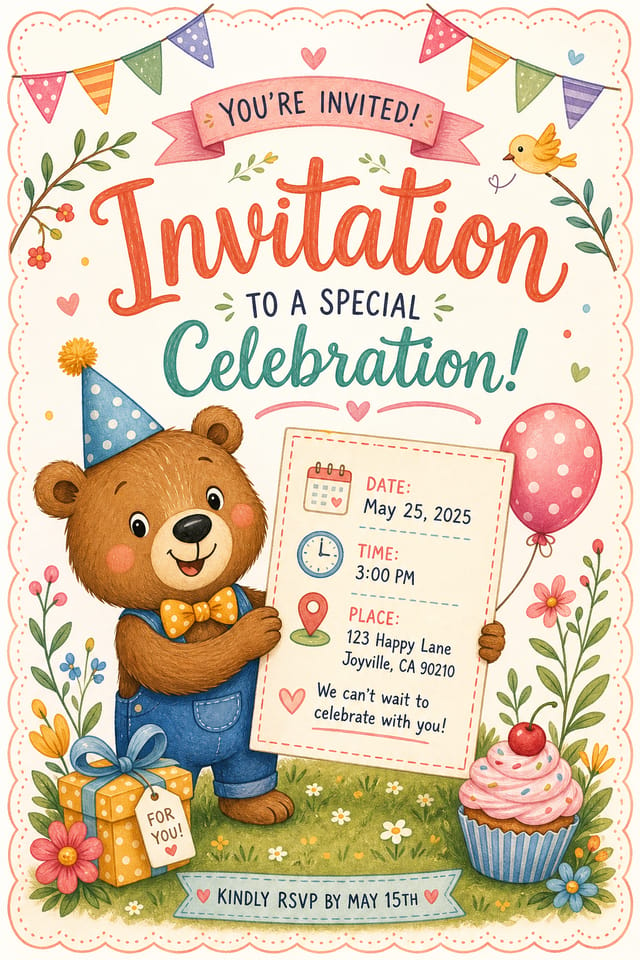
Make invitation cards with real visual personality. The AI selects design elements that fit invitation aesthetics, not generic templates.
Create Your Invitation Card FreeInside the Invitation Community: Gallery Highlights
Real creators sharing their invitation designs made with Pixazo AI.

High-contrast invitation card, dark background with light text, accent color used for single key element, modern composition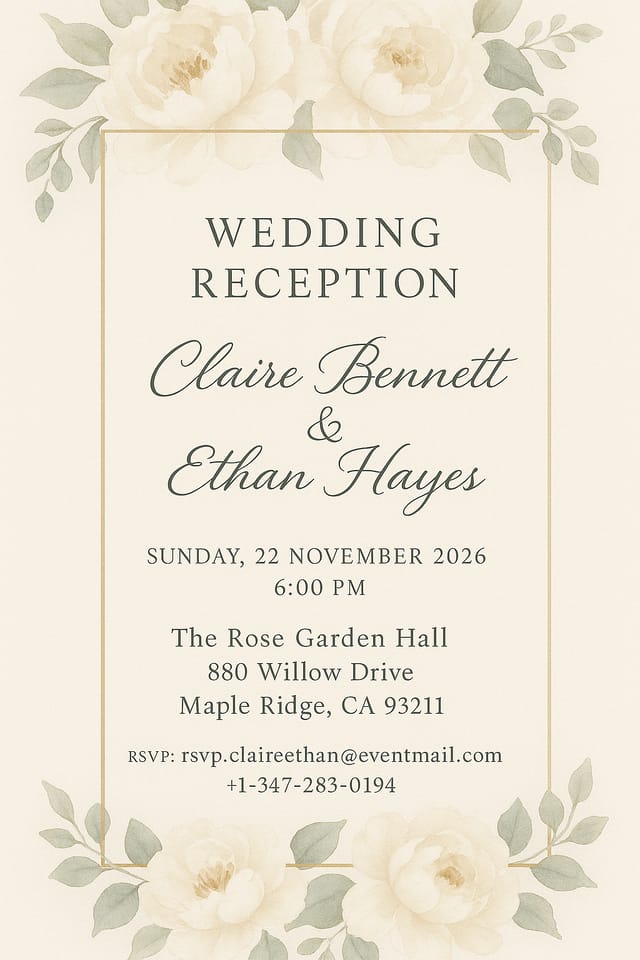
Square invitation card at 1080x1080 for LinkedIn post, professional tone, balanced text-to-visual ratio, brand-safe composition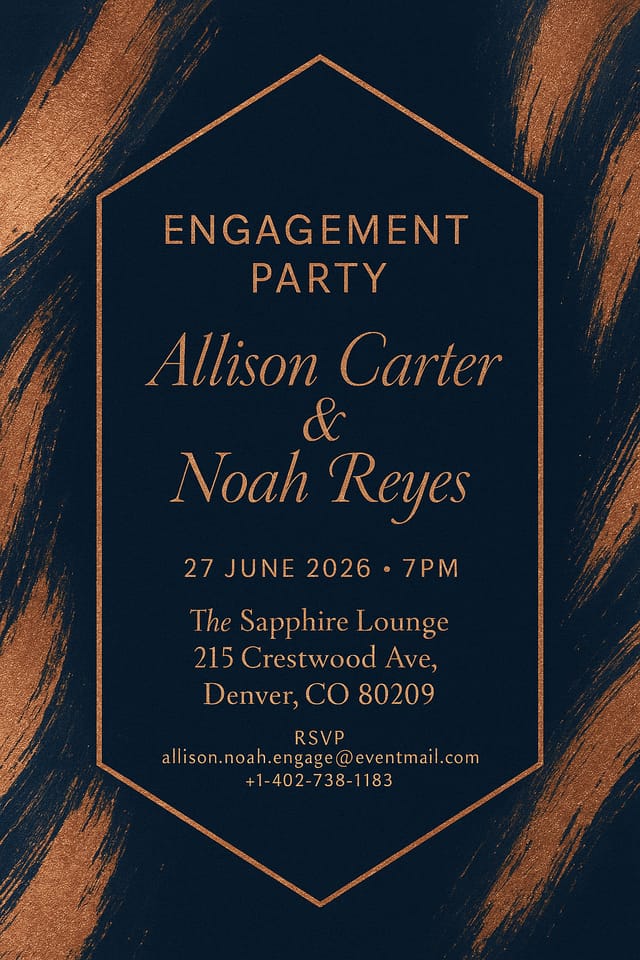
Invitation card for outdoor billboard at 14x48 feet, extreme readability at distance, three-word headline max, high contrast backgroundWhat Makes Invitation Card Design Work: What the AI Understands
The Invitation Card Design Framework
The gap between a professional invitation card and a mediocre one usually comes down to design decisions made early in the process: palette selection, type hierarchy, and compositional structure.
These choices determine whether the final output reads as invitation or just looks generic.
Pixazo's AI makes these foundational decisions based on your prompt.
Specify a invitation card and the system selects design parameters that match invitation visual expectations, giving you a solid starting point rather than a blank-slate template.
Invitation Cards Across Fields: A Practical Guide
Baby Announcements and Shower Invites
Generate invitation cards for birth announcements, gender reveals, and baby shower invitations. Charming designs that capture the occasion.
Retirement and Farewell Messages
Create invitation cards marking career milestones and departures. Respectful designs that celebrate contributions and wish well.
Thank-You and Appreciation Notes
Generate invitation cards expressing gratitude to hosts, teachers, mentors, and colleagues. Designs that feel genuine and considered.
Graduation Announcements
Create invitation cards celebrating academic achievements. Designs that honor the graduate's accomplishment with appropriate formality and pride.
Wedding and Engagement Invitations
Design invitation cards for save-the-dates, formal invitations, and RSVP cards. Elegant designs that set the tone for the celebration.
The Invitation Card Pipeline: From Start to Delivery
Research Gather references
Collect examples of effective invitation card designs, note what works, and identify patterns relevant to your project goals.
Brief Define requirements
Establish the key message, dimensions, color preferences, and target audience for your invitation card before any design work begins.
Generate Create initial designs
Use AI to produce multiple invitation card variations based on your brief. Start broad and narrow down from the strongest options.
Approve Final sign-off
Get stakeholder approval on the finished invitation card. Verify all text is accurate and the design meets brand and technical requirements.
Refine Polish the design
Apply targeted edits to your selected invitation card. Adjust typography, spacing, and color until every element meets your quality standard.
Core Ideas Behind Invitation Cards: What to Aim For
Alignment and Grid
Strong invitation card layouts align elements to an invisible grid. Consistent alignment builds trust and professionalism, while deliberate breaks from the grid create emphasis.
Contrast as Communication
Contrast in invitation card design serves a purpose beyond aesthetics. High contrast draws the eye; low contrast recedes. Use this intentionally to guide the viewer's attention where it matters.
Repetition and Consistency
Repeating visual elements in invitation card design creates cohesion. Consistent use of shapes, colors, and spacing makes the design feel unified rather than assembled from random parts.
Precision Invitation Card Tools: Design Powers
Color Temperature Control
Specify warm, cool, or neutral color direction for your invitation card. The AI builds the full palette around your temperature preference.
Negative Space Handling
The AI manages whitespace in invitation card designs according to invitation aesthetic conventions, not generic poster defaults.
Background Variation
Generate invitation cards with different background treatments. Solid, gradient, textured, or pattern backgrounds all available for invitation style.
Consistency Across Variants
Generate multiple invitation cards for a project and maintain visual consistency across the set. Specify your core design parameters and vary secondary elements.
Commercial Use Rights
Designs generated with Pixazo are yours to use commercially. No additional licensing required for invitation card projects.
From Prompt to Invitation Card: In Minutes
Watch: Creating Invitation Card designs step by step
Smart Invitation Card Decisions: Dos and Don'ts
Use a consistent visual hierarchy
Structure your invitation card so the viewer's eye follows a clear path from headline to supporting details to call-to-action.
Test with real content
Never finalize a invitation card with placeholder text. Real copy often has different lengths and line breaks that affect the design.
Maintain brand alignment
Keep your invitation card design consistent with existing brand colors, fonts, and visual language for a cohesive identity.
Rely solely on AI output
AI-generated invitation card designs are a starting point. Human review catches issues with context, tone, and accuracy that AI can miss.
Overcrowd the layout
Filling every pixel of your invitation card with content makes it harder to read and reduces the impact of every individual element.
Forget the call to action
A invitation card without a clear next step for the viewer is a missed opportunity. Always include direction on what to do next.
Skip proofreading
Typos and grammatical errors on a invitation card undermine credibility instantly. Always have someone else review the final text.
AI Invitation Card Tool: Capabilities at a Glance
Tested Invitation Card Prompts Worth Trying
Copy any prompt below and paste it into Pixazo to generate your design instantly.
High-impact invitation card, immediate visual read at thumbnail size, clear headline dominance, supporting information structured logicallyTwo-color invitation card design, high contrast between primary and secondary color, clean separation between graphic and text zonesInvitation aesthetic card, palette drawn from invitation design tradition, layout proportions consistent with invitation conventions, purposeful use of each elementInvitation card design, clean layout, strong typography hierarchy, appropriate color palette for invitation aesthetic, high contrast between headline and backgroundGeometric invitation card, structured grid system, angular composition, colors in blocks rather than gradients, modern clean finishNew to Invitation Cards? The Essentials
Pixazo generates invitation cards in RGB color space. For professional offset printing that requires CMYK, convert the downloaded file using Adobe Photoshop, Illustrator, or a free tool like GIMP. The AI selects colors that translate well to print when you mention print use in your prompt.
You can request high-contrast or color-blind-friendly palettes in your prompt. Specify 'accessible color palette' or 'deuteranopia-safe colors' and the AI will select invitation-appropriate colors that maintain sufficient contrast for users with color vision deficiencies.
Designs created with Pixazo are available for commercial use. You can use your invitation cards for client projects, product sales, advertising, and other commercial applications without additional licensing fees.
Pixazo generates complete invitation card designs from text prompts. Custom image uploads for compositing are on the product roadmap. Currently, the AI creates all visual elements based on your description rather than incorporating external assets.
Being Realistic About Invitation Cards: Trade-Offs to Know
Known limitations and trade-offs of AI-generated invitation design. Understanding what the AI handles well and where it falls short helps you structure your invitation card design workflow effectively.

