Logo Mockup : Create Free Logo Mockups in Minutes with AI
Create Custom Logo Mockups Quickly with Pixazo Best AI Logo Mockup Maker. Try for Free!
Get Started
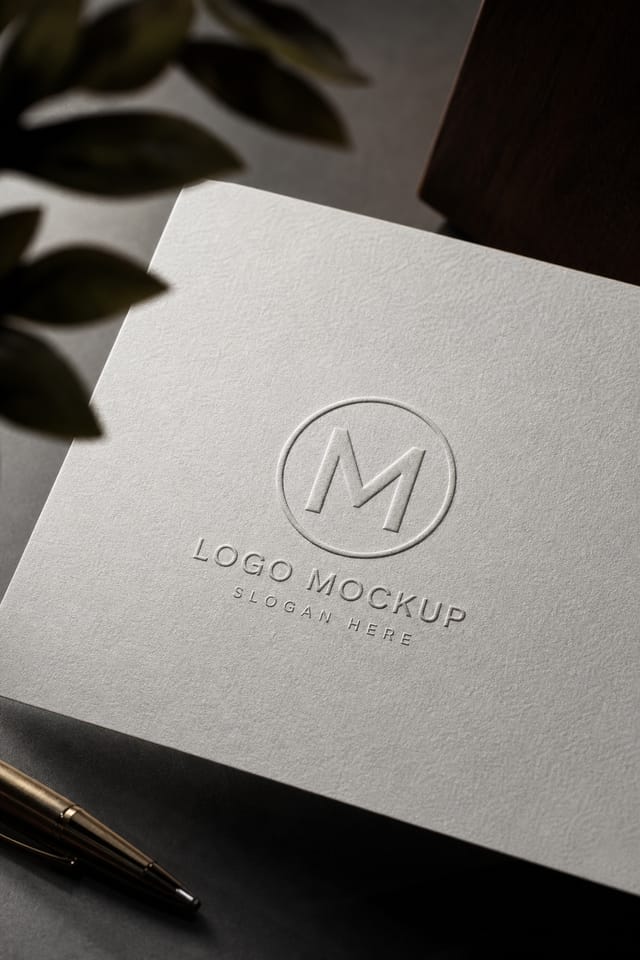
Making Logo Mockups: From Start to Finish
Describe Your Vision
Start with a text description of your logo mockup concept. Specify the visual style, colors, layout direction, and key text. Detailed prompts produce more accurate logo mockup designs than general ones.
Watch: Creating Logo Mockup designs step by step
The Logo Mockup Framework: Design Intelligence at Work
How Pixazo Reads Logo Style Cues
Not all mockup design styles work the same way.
Logo design has specific characteristics that distinguish it from other approaches: particular color affinities, compositional tendencies, and typographic conventions that trained designers recognize immediately.
Pixazo applies this style knowledge automatically.
When you request a logo mockup, the AI pulls from a visual vocabulary appropriate to logo design, producing output that reads correctly to anyone familiar with the style.
The Logo Mockup Feature Set: What It Can Do
Print-Ready Output
Generated logo mockups are sized and structured for professional printing. Download high-resolution files ready for production.
Style-Accurate Generation
The AI interprets logo design conventions and applies them to your mockup, producing output that looks correctly styled rather than generically templated.
Commercial Use Rights
Designs generated with Pixazo are yours to use commercially. No additional licensing required for logo mockup projects.
Typography Matching
Typefaces are selected to match logo aesthetic expectations. The AI pairs fonts that reinforce your logo mockup's visual identity.
The Reach of Logo Mockups: Everyday and Professional
Event Badges and Credentials
Create logo mockups for conference badges, VIP passes, and staff credentials. Designs that combine branding with functional clarity.
Mockup Presentations
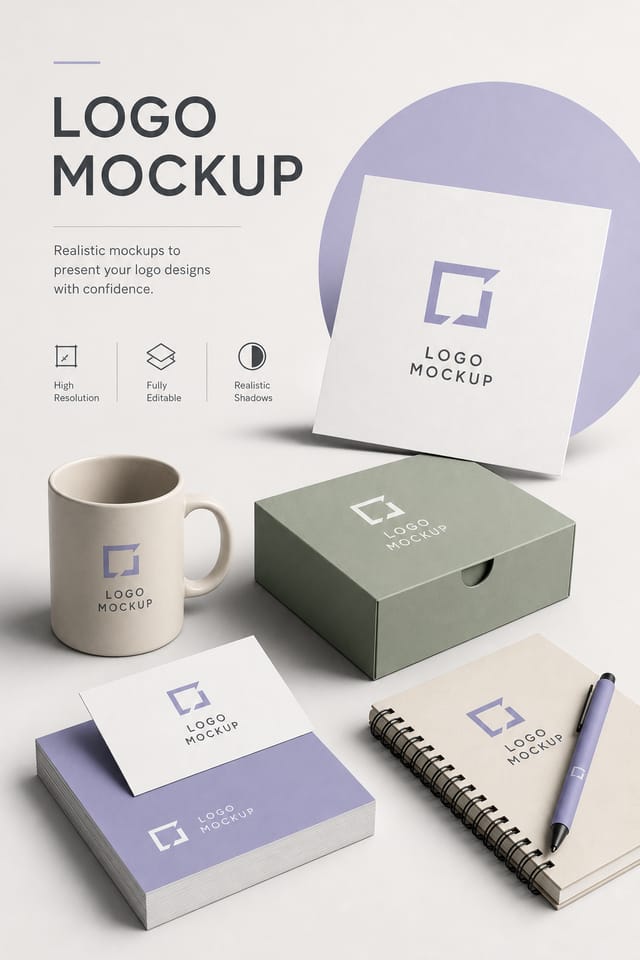
Create logo mockups placed within realistic mockup contexts. Show clients how designs look on physical products, screens, and environments.
Brand Identity Elements
Create logo mockups for logos, wordmarks, and brand symbols. Designs that establish visual identity with clarity and memorability.
Seals and Certification Marks
Generate logo mockups for quality seals, approval stamps, and trust badges. Authoritative designs that convey credibility at small sizes.
Merchandise and Product Labels
Design logo mockups for product packaging, jar labels, and retail stickers. Print-ready output that works at physical production scale.
Visual Directions for Logo Mockups: Compared
Geometric Logo
Structured logo composition using grid systems and angular forms. Order and precision define the visual approach.
Textured Logo
Logo design with added surface depth. Background treatments add visual interest without disrupting legibility.
Minimalist Logo
Stripped-back logo approach. Fewer elements, more negative space, typography carries more visual weight.
Contemporary Logo
Current logo design sensibility with updated proportions, modern typefaces, and contemporary color relationships.
What Logo Creators Built: Showcase Gallery
Real creators sharing their logo designs made with Pixazo AI.
Playful logo mockup for a family audience, rounded typography, bright saturated colors, approachable and energetic tone
Bold logo mockup with strong central headline, supporting information at secondary scale, background treatment consistent with logo design
Logo mockup designed for dark mode display, OLED-optimized black background, vibrant accent colors, high contrast textLogo Mockup Generation: Prompt Inspiration
Copy any prompt below and paste it into Pixazo to generate your design instantly.
Full-bleed logo mockup, background treatment extends to edges, foreground elements positioned for compositional balance, strong central hierarchyEditorial-style logo mockup, text-dominant design, typographic treatment carries visual weight, layout proportions inspired by print publication designMonochromatic logo mockup, single-hue palette with value variation for contrast, typographic hierarchy creates visual interest without color complexityAtmospheric logo mockup, background treatment supports the headline without competing with it, visual weight distributed intentionallyLogo style mockup, bold headline placement, supporting text at appropriate scale, color palette consistent with logo design conventionsGetting Started with Logo Mockups: Plain Answers
Generated designs that miss the mark usually need more specific prompts. Add details about the visual hierarchy you want, the feeling the logo mockup should create, or specific elements to include or avoid. More context in the prompt produces more targeted output.
Common sizes include 1080x1080 for Instagram feed, 1080x1920 for stories and reels, 1200x628 for Facebook links, 1500x500 for Twitter headers, and 1080x1350 for Pinterest. Specify the platform in your prompt and Pixazo optimizes logo layout for that format.
Pixazo works in any modern mobile browser. The interface adapts to phone and tablet screens so you can generate logo mockups from anywhere. A dedicated mobile app is in development for an even smoother on-device experience.
The AI generates visual designs, not data visualizations. For logo mockups that need charts or graphs, generate the logo layout in Pixazo and overlay your data graphics in post-production. The design framework will be style-consistent even if data elements are added separately.
Logo Mockup Workflow Stages: Stages Explained
Refine Polish the design
Apply targeted edits to your selected logo mockup. Adjust typography, spacing, and color until every element meets your quality standard.
Generate Create initial designs
Use AI to produce multiple logo mockup variations based on your brief. Start broad and narrow down from the strongest options.
Export Deliver final files
Export your logo mockup in the required formats and resolutions. Organize deliverables for handoff to the production or publishing team.
Research Gather references
Collect examples of effective logo mockup designs, note what works, and identify patterns relevant to your project goals.
Brief Define requirements
Establish the key message, dimensions, color preferences, and target audience for your logo mockup before any design work begins.
Effective Logo Mockup Strategies: Rules Worth Following
Use a consistent visual hierarchy
Structure your logo mockup so the viewer's eye follows a clear path from headline to supporting details to call-to-action.
Test with real content
Never finalize a logo mockup with placeholder text. Real copy often has different lengths and line breaks that affect the design.
Keep the message focused
A strong logo mockup communicates one primary idea clearly. Supporting details should reinforce, not compete with, the main message.
Skip proofreading
Typos and grammatical errors on a logo mockup undermine credibility instantly. Always have someone else review the final text.
Rely solely on AI output
AI-generated logo mockup designs are a starting point. Human review catches issues with context, tone, and accuracy that AI can miss.
Ignore accessibility
Low-contrast text and tiny font sizes in your logo mockup exclude a significant portion of your potential audience.
Use too many fonts
More than two or three typefaces in a single logo mockup creates visual noise and makes the design feel disjointed.
Current Logo Mockup Limits: What to Expect
Known limitations and trade-offs of AI-generated logo design. Transparency matters when using AI for logo mockup design. The points below describe where you may need to supplement AI output with manual work.

