Magazine Mockup : Create Free Magazine Mockups in Minutes with AI
Create Custom Magazine Mockups Quickly with Pixazo Best AI Magazine Mockup Maker. Try for Free!
Get Started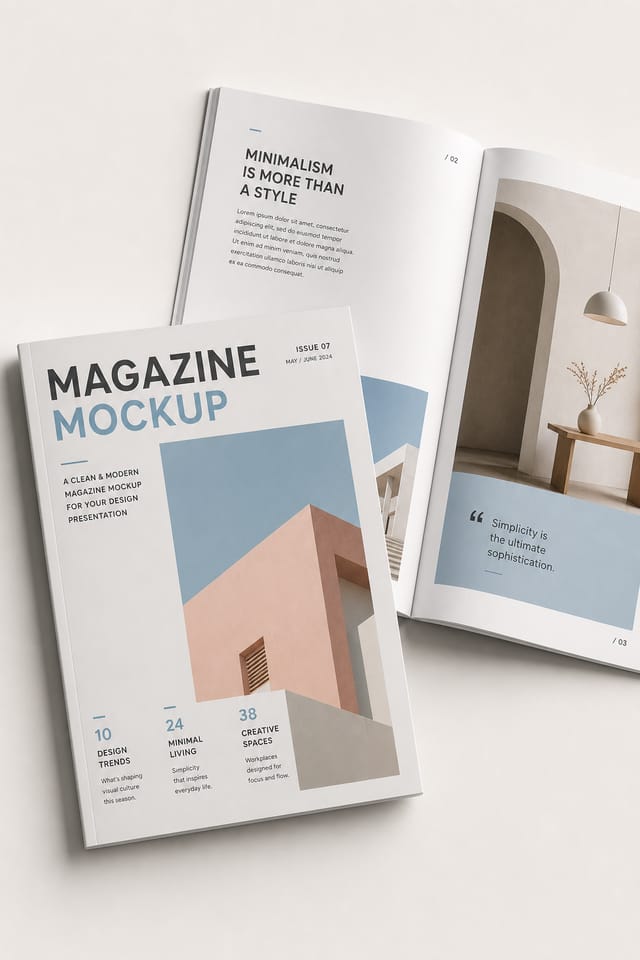
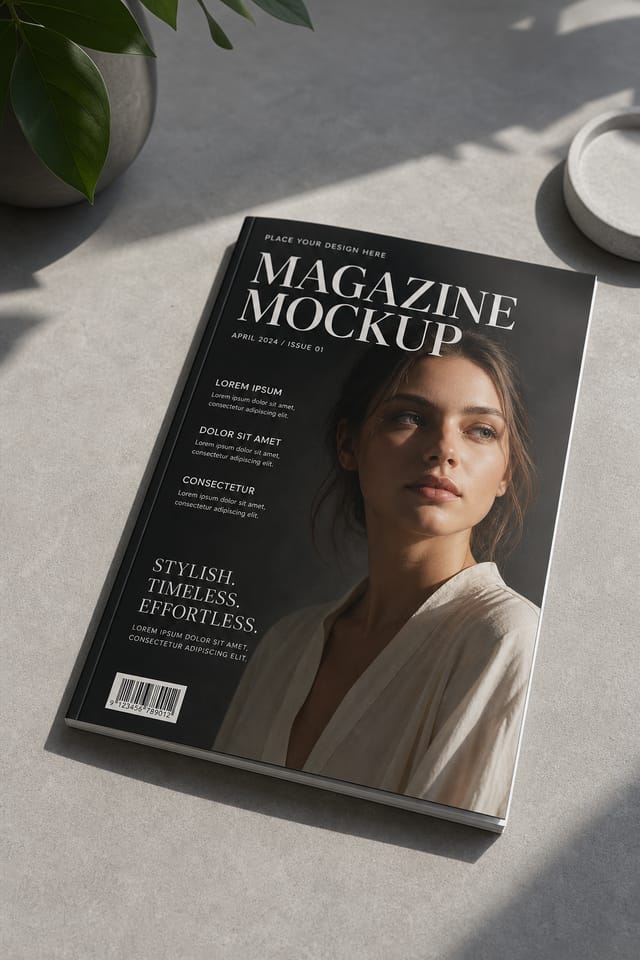
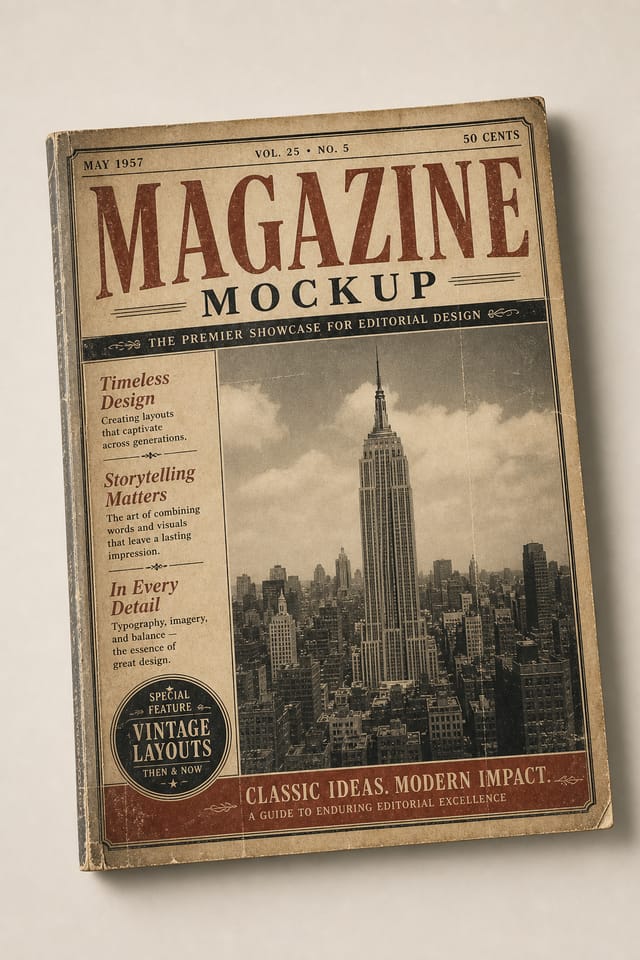
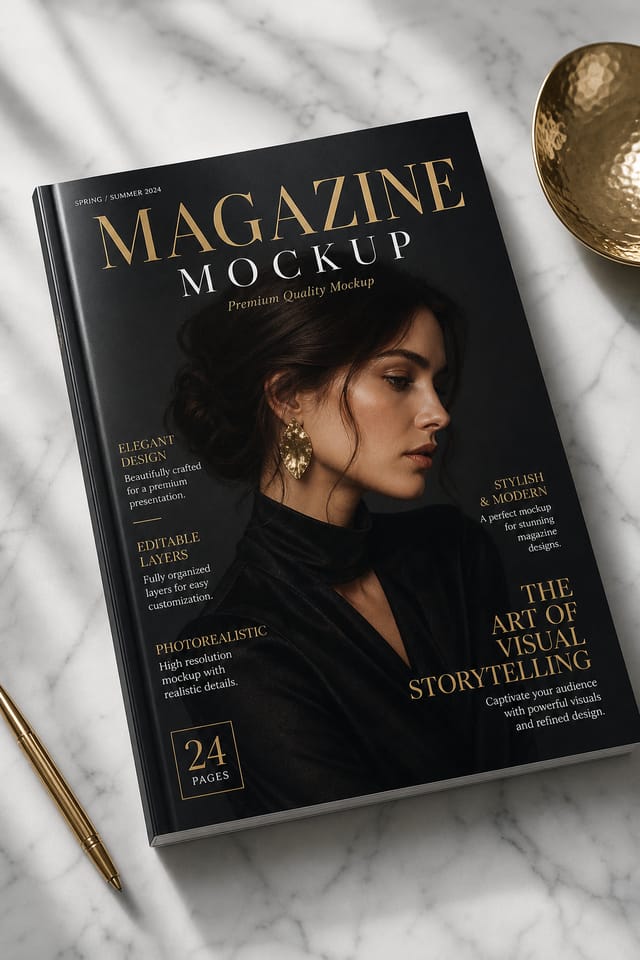
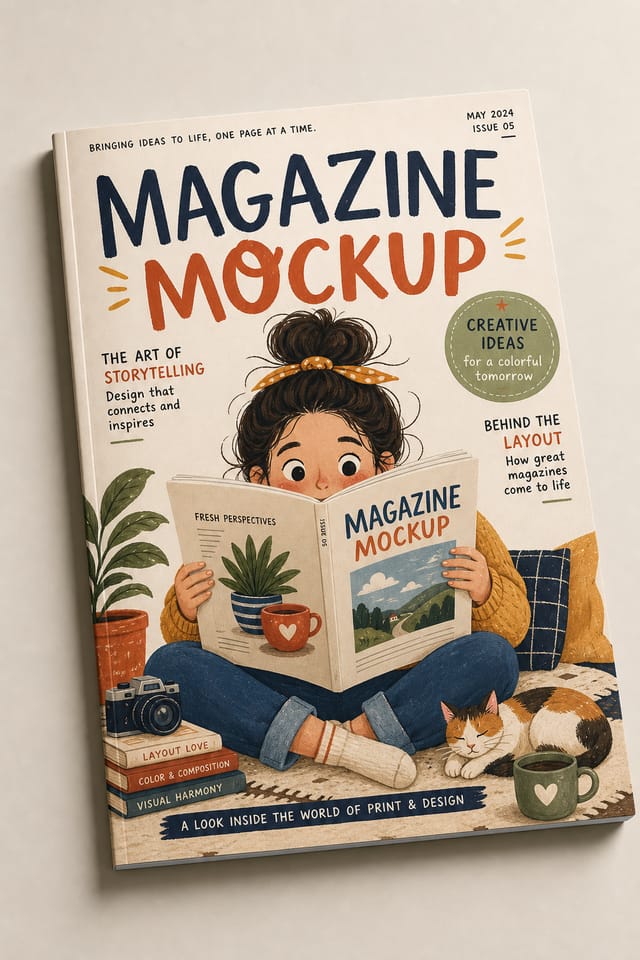
Streamlining Magazine Mockup Creation: A Production Pipeline
Export Deliver final files
Export your magazine mockup in the required formats and resolutions. Organize deliverables for handoff to the production or publishing team.
Refine Polish the design
Apply targeted edits to your selected magazine mockup. Adjust typography, spacing, and color until every element meets your quality standard.
Generate Create initial designs
Use AI to produce multiple magazine mockup variations based on your brief. Start broad and narrow down from the strongest options.
Research Gather references
Collect examples of effective magazine mockup designs, note what works, and identify patterns relevant to your project goals.
Review Evaluate and refine
Compare generated magazine mockup options against your brief. Mark what works and note specific changes needed for the next iteration.
Inside Magazine Mockup AI: Speed and Quality
The Magazine Mockup Toolkit: Professional Features
Subcategory Awareness
The AI distinguishes between design subcategories. A magazine mockup request produces magazine-appropriate output, not a generic design with magazine text added.
Context-Aware Design
Describe your magazine mockup's purpose and audience. The AI adjusts visual weight, complexity, and clarity based on the intended use context.
Export Flexibility
Download your magazine mockup in formats suited for your use case. Web-optimized versions for digital display, high-DPI files for print.
Fast Generation
Complete magazine mockup designs generate in seconds. No rendering queues, no waiting for batch processing.
Background Variation
Generate magazine mockups with different background treatments. Solid, gradient, textured, or pattern backgrounds all available for magazine style.
Text Placement Options
Describe where you want text elements positioned in your magazine mockup. The AI follows compositional direction about headline placement and body copy layout.
Magazine Mockups Across Fields: Who Uses Them
E-Commerce Product Promotion
Design magazine mockups for online store banners, product launches, and seasonal sales. Conversion-focused visuals for digital retail.
Personal Creative Work
Generate magazine mockups for personal projects, home display, and creative experiments without spending production time on design execution.
Non-Profit Campaigns
Create compelling magazine campaign mockups without allocating budget to design production. Focus resources on mission-critical activities.
Real Estate Marketing
Create magazine mockups for property listings, open houses, and agent branding. Professional visuals that elevate property presentation.
Event Promotion
Create magazine event mockups that establish the right visual mood before the event. Magazine design signals quality and sets expectations.
Writing Magazine Mockup Prompt Starters
Copy any prompt below and paste it into Pixazo to generate your design instantly.
Clean magazine mockup design, geometric structure, disciplined typography, color accent used selectively for emphasis, printer-optimized resolutionMagazine style mockup, bold headline placement, supporting text at appropriate scale, color palette consistent with magazine design conventionsSeries-compatible magazine mockup design, visual language that extends to multiple formats, consistent design system across variantsTwo-color magazine mockup design, high contrast between primary and secondary color, clean separation between graphic and text zonesEditorial-style magazine mockup, text-dominant design, typographic treatment carries visual weight, layout proportions inspired by print publication designRefined magazine mockup, sophisticated color relationships, intentional whitespace, typefaces appropriate to magazine style, balanced compositionSmart Magazine Mockup Decisions: Practical Guidelines
Use grids and alignment
Structured layouts in your magazine mockup create a sense of order and professionalism that unstructured designs cannot match.
Maintain brand alignment
Keep your magazine mockup design consistent with existing brand colors, fonts, and visual language for a cohesive identity.
Use a consistent visual hierarchy
Structure your magazine mockup so the viewer's eye follows a clear path from headline to supporting details to call-to-action.
Use too many fonts
More than two or three typefaces in a single magazine mockup creates visual noise and makes the design feel disjointed.
Rely solely on AI output
AI-generated magazine mockup designs are a starting point. Human review catches issues with context, tone, and accuracy that AI can miss.
Overcrowd the layout
Filling every pixel of your magazine mockup with content makes it harder to read and reduces the impact of every individual element.
Your Magazine Mockup Workflow: The Workflow Explained
Define Your Concept
Describe what you want your magazine mockup to look like. Include the mood, color palette, typography preference, and content hierarchy. Pixazo reads all of this and uses it to generate an appropriate design.
Assess the Output
The AI produces a magazine mockup based on your description. If the first result isn't exactly right, adjust the prompt to address what needs changing. Most designs reach the target within a few iterations.
Modify the Elements
Refine the magazine mockup by updating your description with precise changes. Add constraints you didn't include initially or remove elements that aren't working. The AI responds to specific direction.
Save and Share
Get your final magazine mockup file in one click. Choose your format, download at full resolution, and use the design immediately. No watermarks, no additional fees, no waiting.
Magazine Mockup Specifications
Watch: Creating Magazine Mockup designs step by step
Practical Magazine Mockup Tips: Tips That Work
Leave White Space
Resist the urge to fill every area of your magazine mockup. Breathing room around key elements makes the overall design more effective.
Prioritize Hierarchy
Every magazine mockup needs a clear reading order. Make sure the most important information is the largest and most prominent element in the layout.
Match Tone to Audience
A magazine mockup for a corporate event needs a different visual tone than one for a music festival. Let the audience guide your style choices.
Use High Contrast for Readability
Whether your magazine mockup is displayed on screen or in print, strong contrast between text and background ensures the message gets through at any size.
Test at Actual Size
Always preview your magazine mockup at the dimensions it will be displayed. Design details that look fine at 100% can disappear or crowd at real-world scale.
Design Criteria for Magazine Mockup: Standards That Matter
Magazine Creator Featured Designs
Real creators sharing their magazine designs made with Pixazo AI.
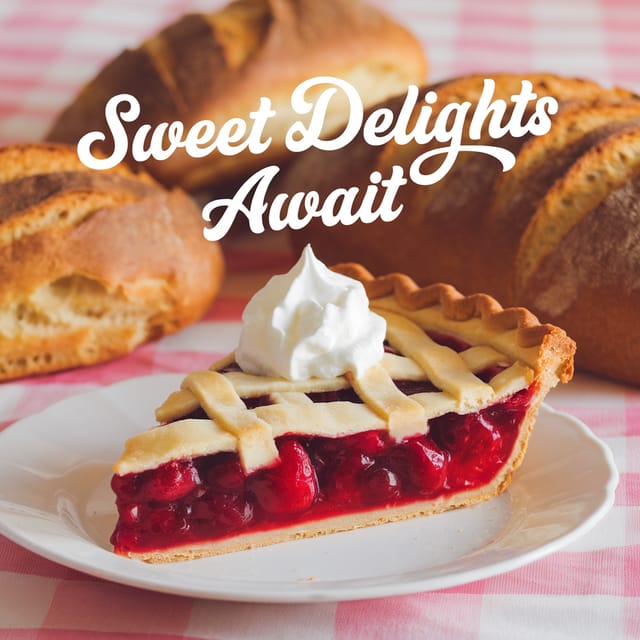
Refined magazine aesthetic mockup, sophisticated color relationships, intentional negative space, type selection matching magazine conventions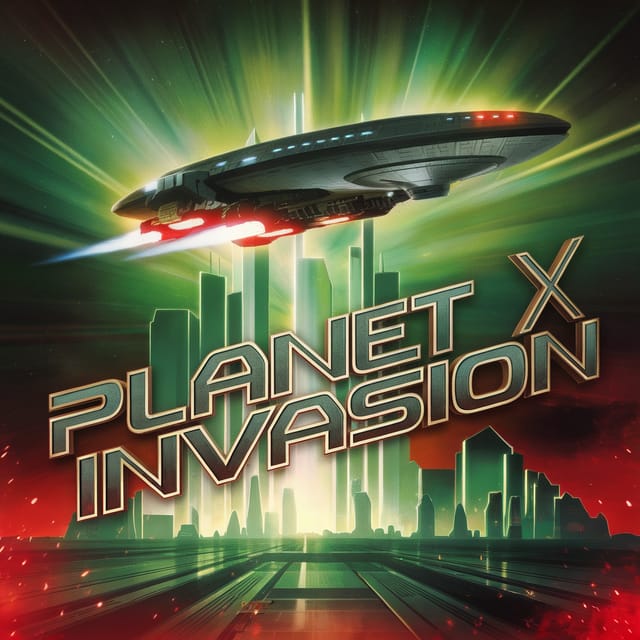
Editorial-inspired magazine mockup, text-dominant layout, typographic variety creates visual interest, clean structured alignment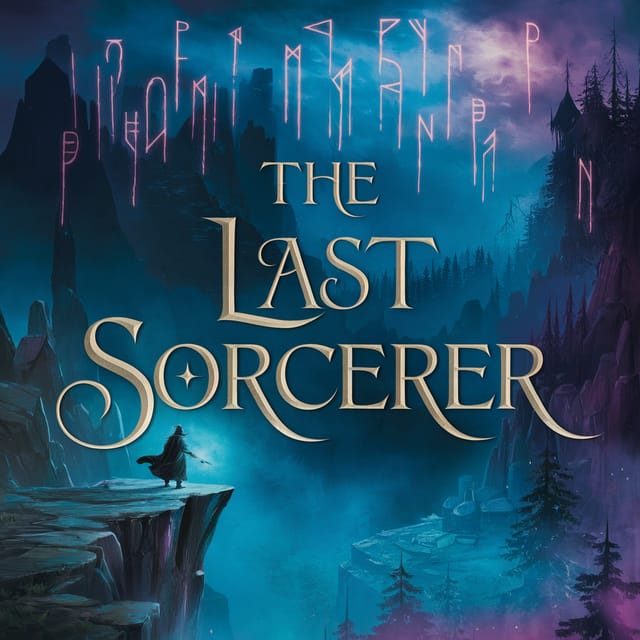
Monochromatic magazine mockup, single hue in multiple values, typographic hierarchy creates depth without color complexityMagazine Mockup Constraints: Current Boundaries
Known limitations and trade-offs of AI-generated magazine design. Every AI design tool has boundaries. Knowing these limits before you start helps you get the most out of magazine mockup generation.
Before You Start: What People Ask
You can request high-contrast or color-blind-friendly palettes in your prompt. Specify 'accessible color palette' or 'deuteranopia-safe colors' and the AI will select magazine-appropriate colors that maintain sufficient contrast for users with color vision deficiencies.
The AI renders text as specified in your prompt, so double-check spelling and punctuation before generating. If text renders incorrectly in a magazine mockup, adjust your prompt and regenerate. The AI follows your exact text input.
Individual magazine mockups generate in seconds. For batch production, you can submit multiple prompts in sequence and download results as they complete. A series of ten magazine mockup variations typically takes under five minutes total.
You can specify any aspect ratio in your prompt. Common options include 1:1 for social posts, 4:5 for Instagram, 9:16 for stories, 16:9 for presentations, and standard print sizes like A4 or letter. The AI adapts magazine composition to fit your chosen ratio.
Templates apply a fixed visual structure with placeholder content. AI generation produces original designs based on your specific description. Two magazine mockups generated from different prompts will have genuinely different layouts, not just different text in the same box positions.

