AI Micro-Drama Production: The Complete Guide to Making a Vertical Series


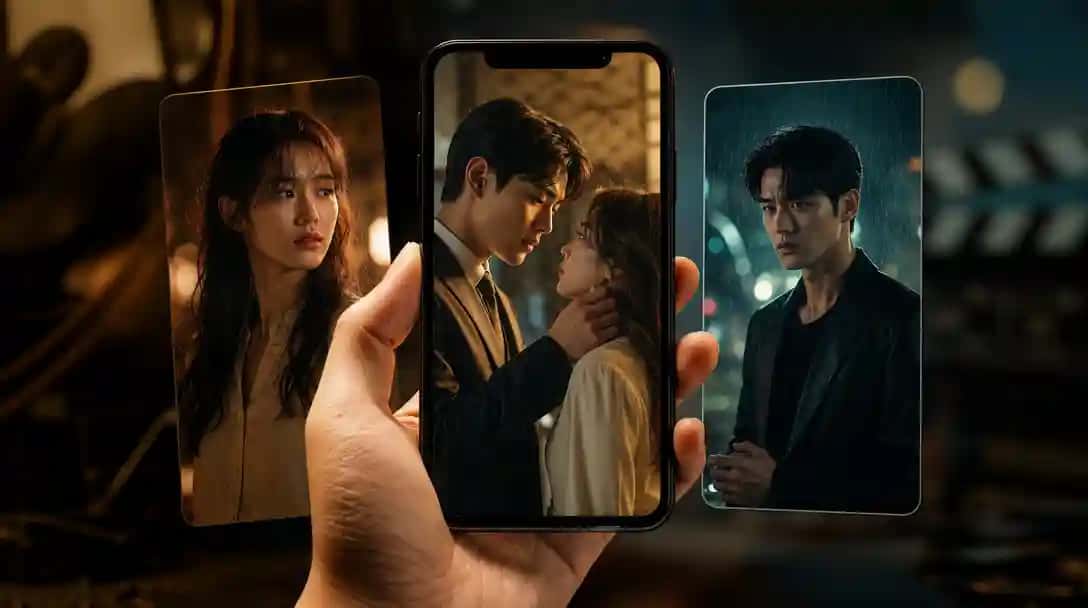
Why micro-dramas, and why now
The format is engineered for the phone. Shot 9:16 vertical, paced for cliffhangers, and consumed in bite-size taps, micro-dramas fit how audiences actually watch in 2026. Monetization is just as native — coin/unlock models, ad-supported episodes and subscriptions — so a hit series can recoup fast across a huge episode count. You can do this in Pixazo.
Traditional vs AI-assisted
Indicative ranges — actuals depend on scope, cast and VFX intensity.
| Stage | Traditional | AI-assisted |
|---|---|---|
| Script & series bible | 8–12 weeks | 3–5 weeks |
| Pre-production | 4–8 weeks | 2–3 weeks |
| Shoot | 25–40 days | 8–12 days |
| VFX & post | 12–20 weeks | 4–8 weeks |
| Dubbing (per extra language) | 4–8 weeks | Days |
| Total schedule | 6–10 months | 8–14 weeks |
| Indicative budget (80–100 eps) | $400k – $1M+ | $150k – $400k |
Sources: Pixazo project benchmarks plus indicative industry ranges for traditional micro-drama and short-form series production.
Proof point — recent broadcaster delivery
Several hundred AI-assisted VFX shots across a primetime action series, finished to broadcast:
Plus comparable engagements underway with several other studios. Anonymized reel and case study available under NDA.
Storyboard to screen — how a board becomes a scene
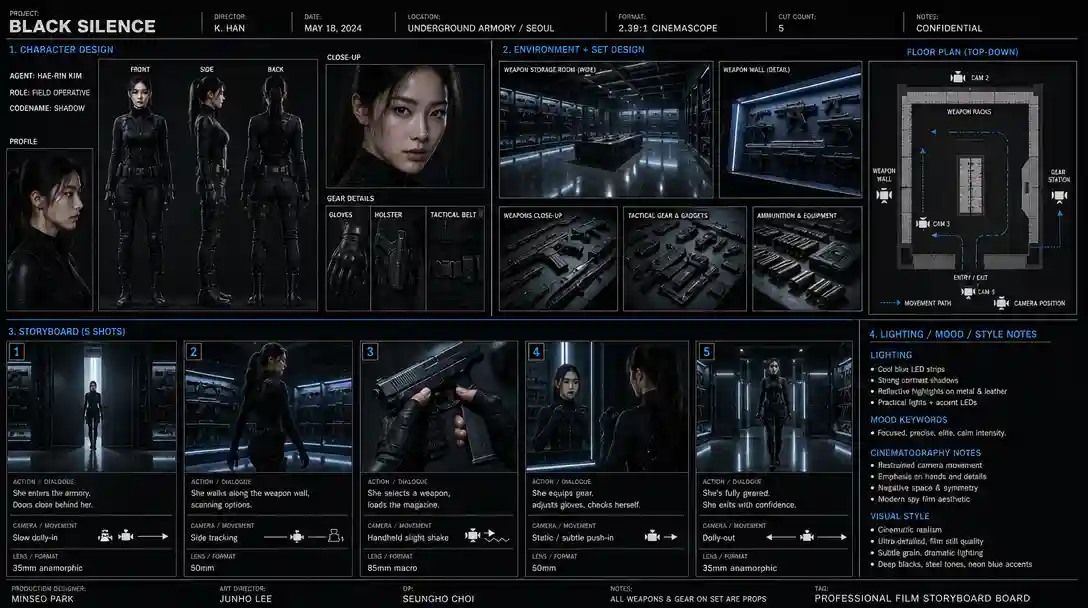
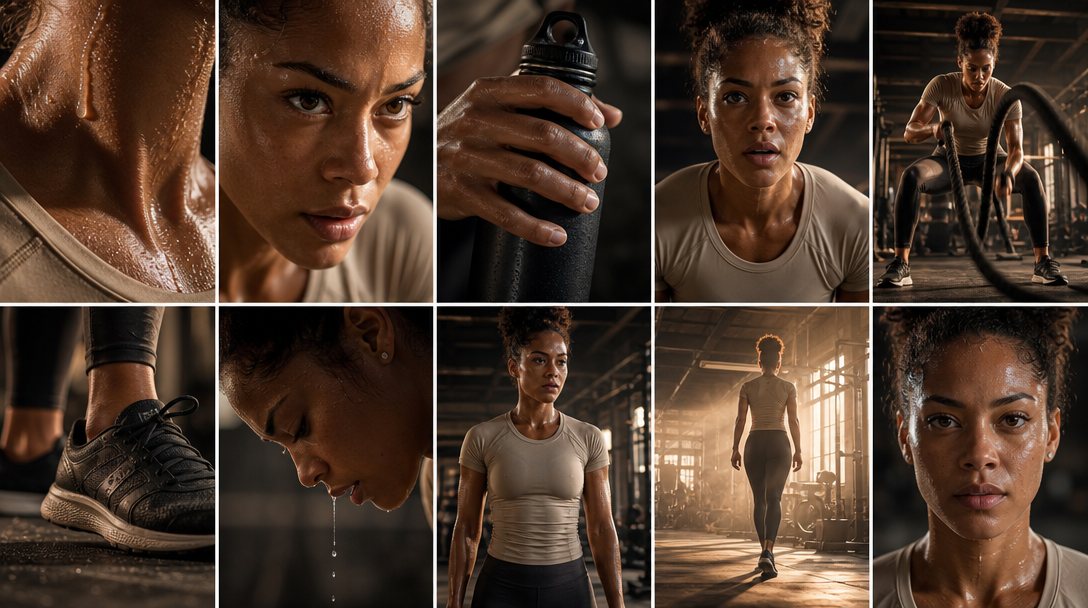
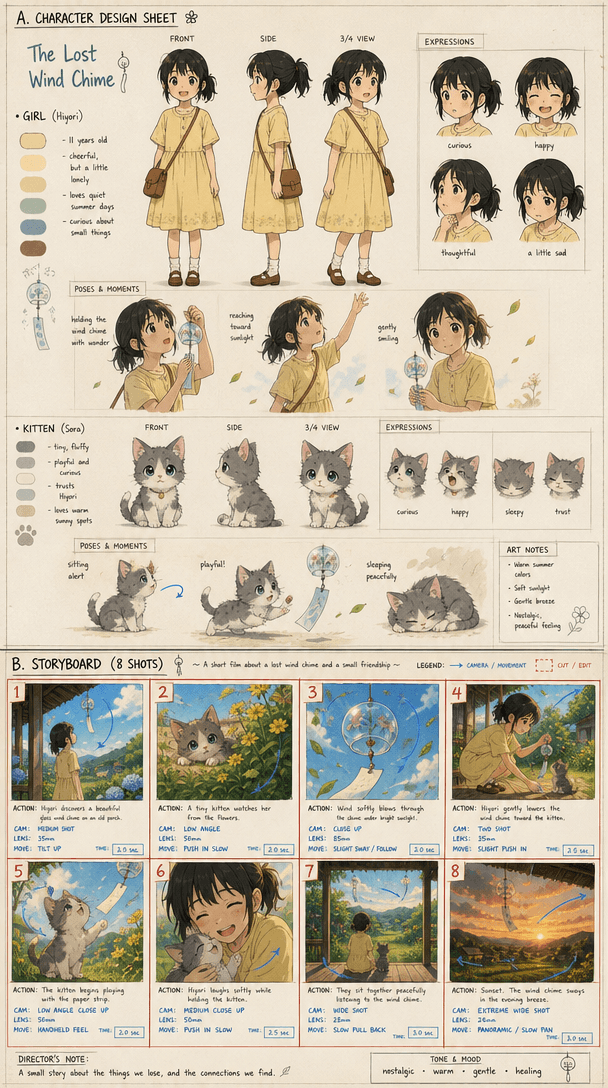
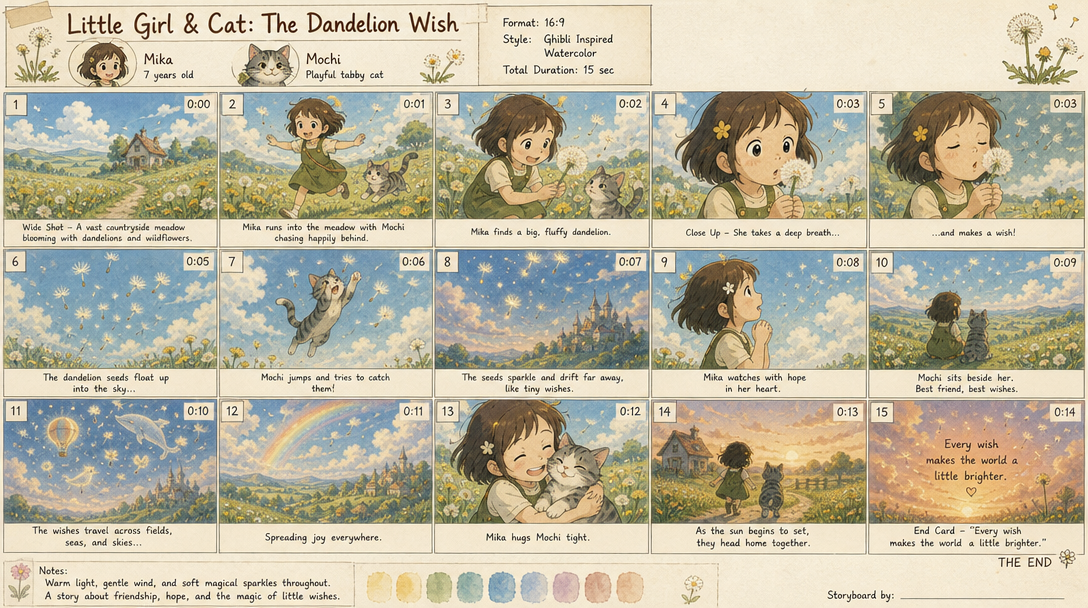
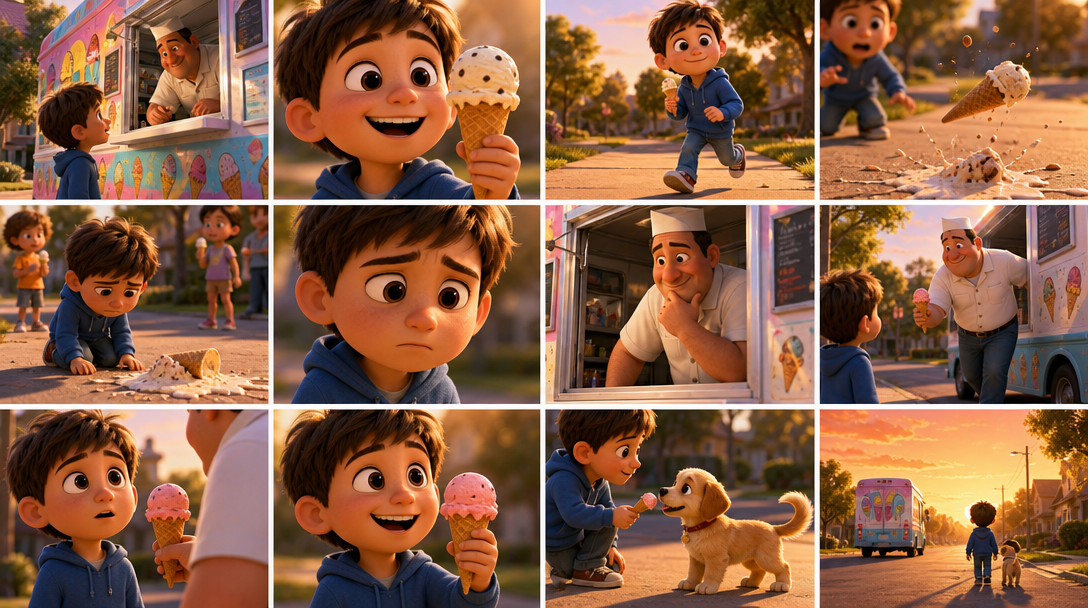
Every shot starts as a storyboard. For each sample below, the left shows the storyboard sequence (the plan, shot-by-shot, with the AI capabilities used); the right is the finished, AI-assisted clip you can play — across period drama, sci-fi, commercial and anime looks.
“Black Silence” — armory sequence
Athletic performance spot
元気 vitamin-drink commercial

Suggested Read: From Viral Shorts to Funded Features: The AI Filmmakers Hollywood Is Actually Greenlighting
“The Lost Wind Chime”
“The Dandelion Wish”
Suggested Read: How to Create AI Short Drama Series?
“Ice-Cream Truck”
Produced end to end — complete vertical series
Beyond individual shots, the studio delivers complete 9:16 vertical micro-dramas — written, produced and finished start to finish (for example, the series When She Disappeared). Click any to play.
Suggested Read: Beer Poster Trend on TikTok: A Complete Guide
Suggested Read: Top Viral AI Video and AI Photo Trends in 2026
Sample clips are illustrative of the studio’s output and shown for demonstration purposes.
How Pixazo partners with studios
You can engage at any point on the pipeline — a single VFX pass, a full post package, or a complete series produced end to end. The model is simple: your IP and creative control, our AI-assisted production engine and human finishing, delivered to platform spec.
Frequently asked questions
What is a micro-drama?
A vertical (9:16), mobile-first serialized drama — typically 80–120 episodes of ~90 seconds, each ending on a cliffhanger.
How long does an AI-assisted series take?
Roughly 8–14 weeks total versus 6–10 months traditionally, with the shoot compressed to about 8–12 days.
Suggested Read: Beautify Photo Online: A Guide to Enhancing Your Digital Images
How much does it cost?
Indicatively $150k–$400k for 80–100 episodes AI-assisted, versus $400k–$1M+ traditionally — scope dependent.
Can a series ship in multiple languages?
Yes — AI lip-synced dubbing turns localization from weeks-per-language into days, key for global distribution.
Where do micro-dramas get distributed?
On dedicated apps (Reelshort, DramaBox, ShortMax and similar) using coin/unlock, ad-supported and subscription models.
Make your micro-drama with Pixazo
A single VFX pass, full post, or a complete vertical series — produced on 200+ models and finished by human artists.
Suggested Read: AI VFX in Filmmaking: The Complete 2026 Guide
Deepak Joshi
Author · Pixazo
Deepak writes about generative AI models, APIs, and the workflows teams use to ship them. Reviewed by Abhinav Girdhar.