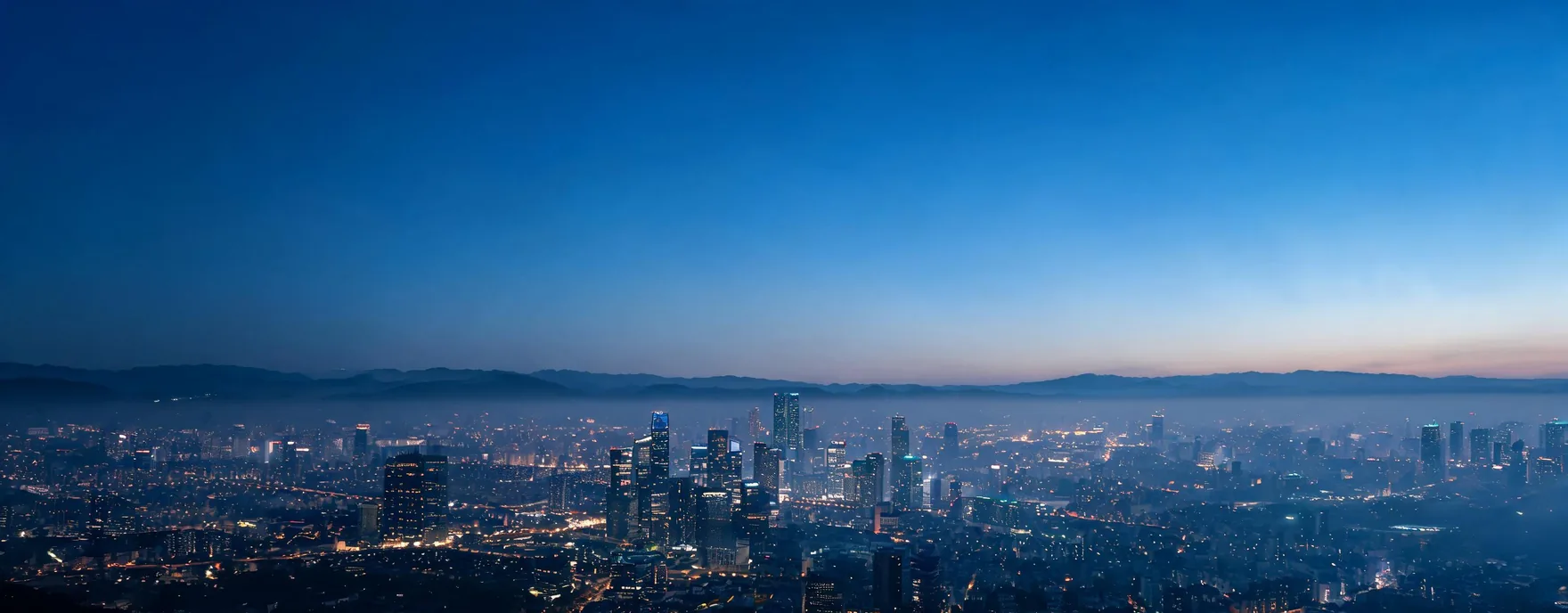
BEFORE · 1:1
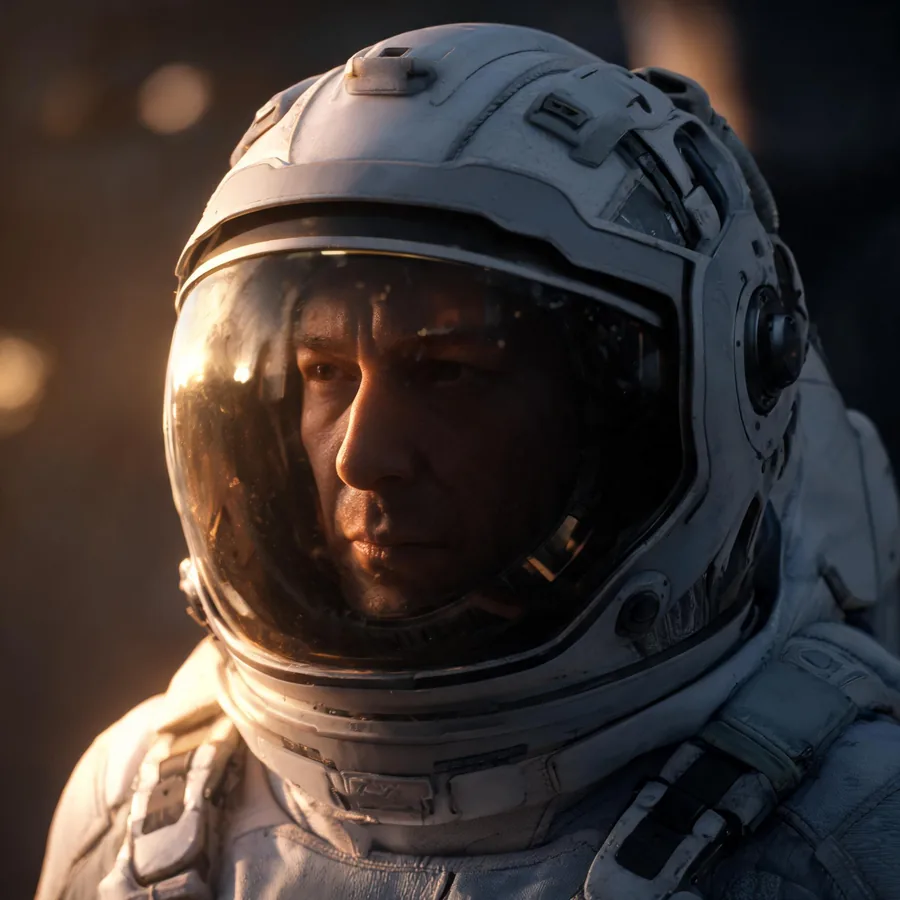
AFTER · 16:9+ cockpit added by AI
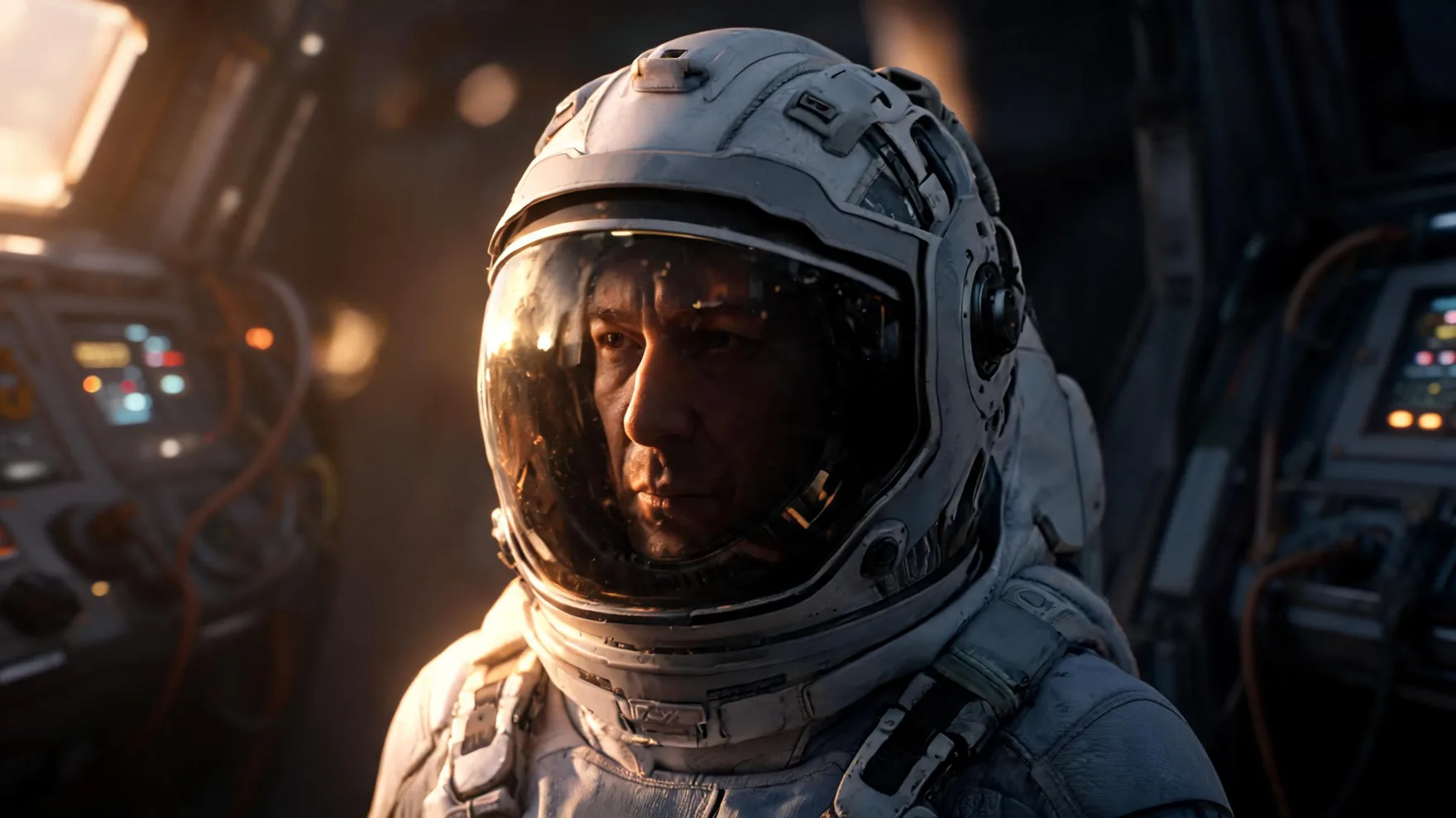 + cockpit added by AI
Square portrait → widescreenA cockpit, control panels and cabling appear where there was only a tight head-and-shoulders crop.1:1 → 16:9
Extend any photo past its edges with AI outpainting — turn a square into a banner, add headroom for text, or uncrop a shot that was framed too tight.
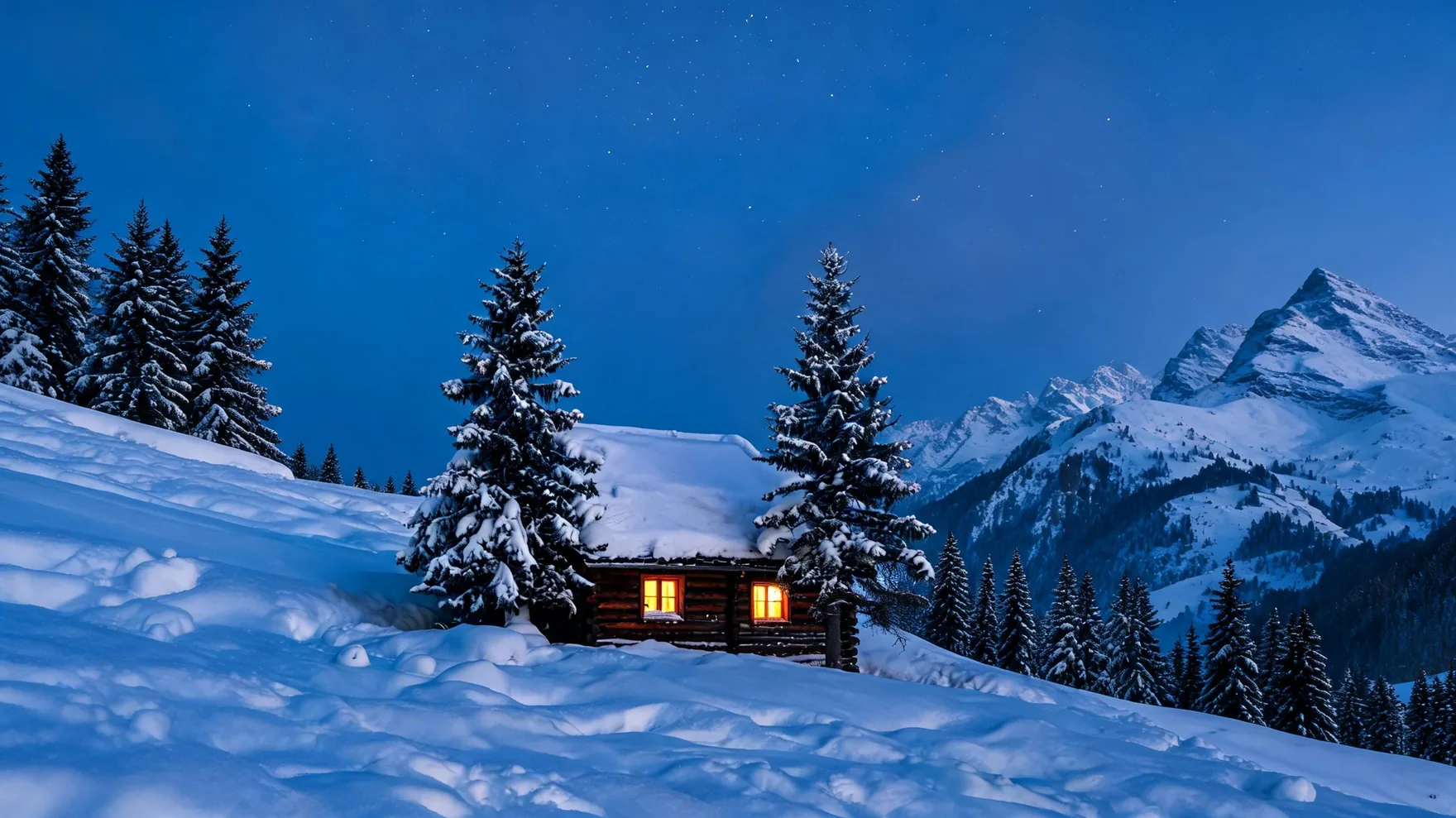
The AI Image Extender is Pixazo's outpainting tool: you upload a JPG or PNG (up to 5 MB), open up empty canvas around it, and the AI fills that new space with content that matches the original photo. It runs in Pixazo's image-to-image editor and downloads as a PNG.
It's built for one job — giving a picture more frame than it was shot with. Change a square into a 16:9 header, add clean space above a subject for a headline, grow a product shot so it has room for layout, or recover the shoulders and scenery a phone crop chopped off. The subject you uploaded stays the same size; the AI invents everything around it.
Because it invents rather than remembers, it works best on clear subjects over simple, continuous backgrounds — sky, water, walls, studio sweeps — and it is not an upscaler: it adds canvas, not resolution. Pixazo is an access layer over third-party image models and doesn't own them.
See it happen — a square photo in, an extended frame out:
+ cockpit added by AIHonest note: the extender invents the new area to match your image — it's a plausible continuation, not a recovery of a scene that was really there. Results vary with the picture and how far you extend.
Extending makes the canvas bigger by inventing new surroundings; upscaling makes the same picture sharper without changing the framing. Mixing the two up is the most common reason people are disappointed — so here's the difference at a glance.
This tool — extend / outpaint
Keeps the subject the same size and generates new scene to fill a larger frame or a new aspect ratio. Reach for it when you need more scene, not more sharpness.
Not this — upscale / enhance
Raises resolution and sharpness of the picture you already have — the framing doesn't change. If sharpness is what you need, an image upscaler is the right tool, not an extender.
Yes. The same photo can grow into whatever shape you need — wider, taller, or square. Here's one lighthouse shot reframed three ways, all from the single square original.
Lighthouse · one square in, three shapes out
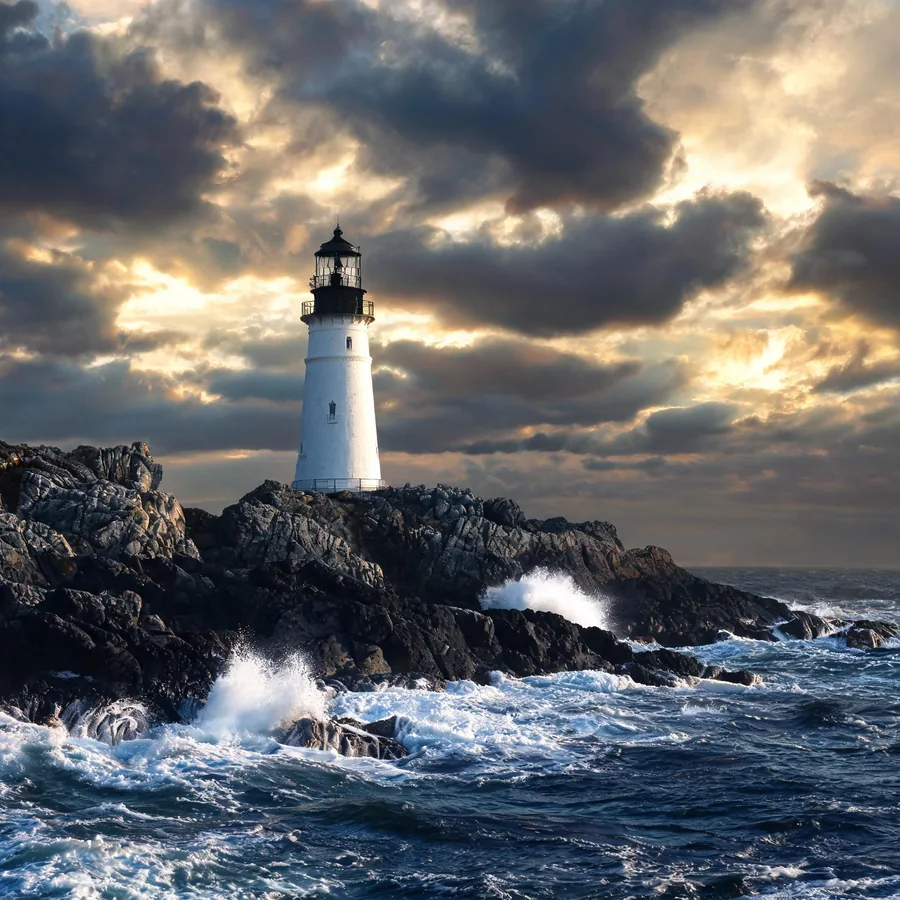
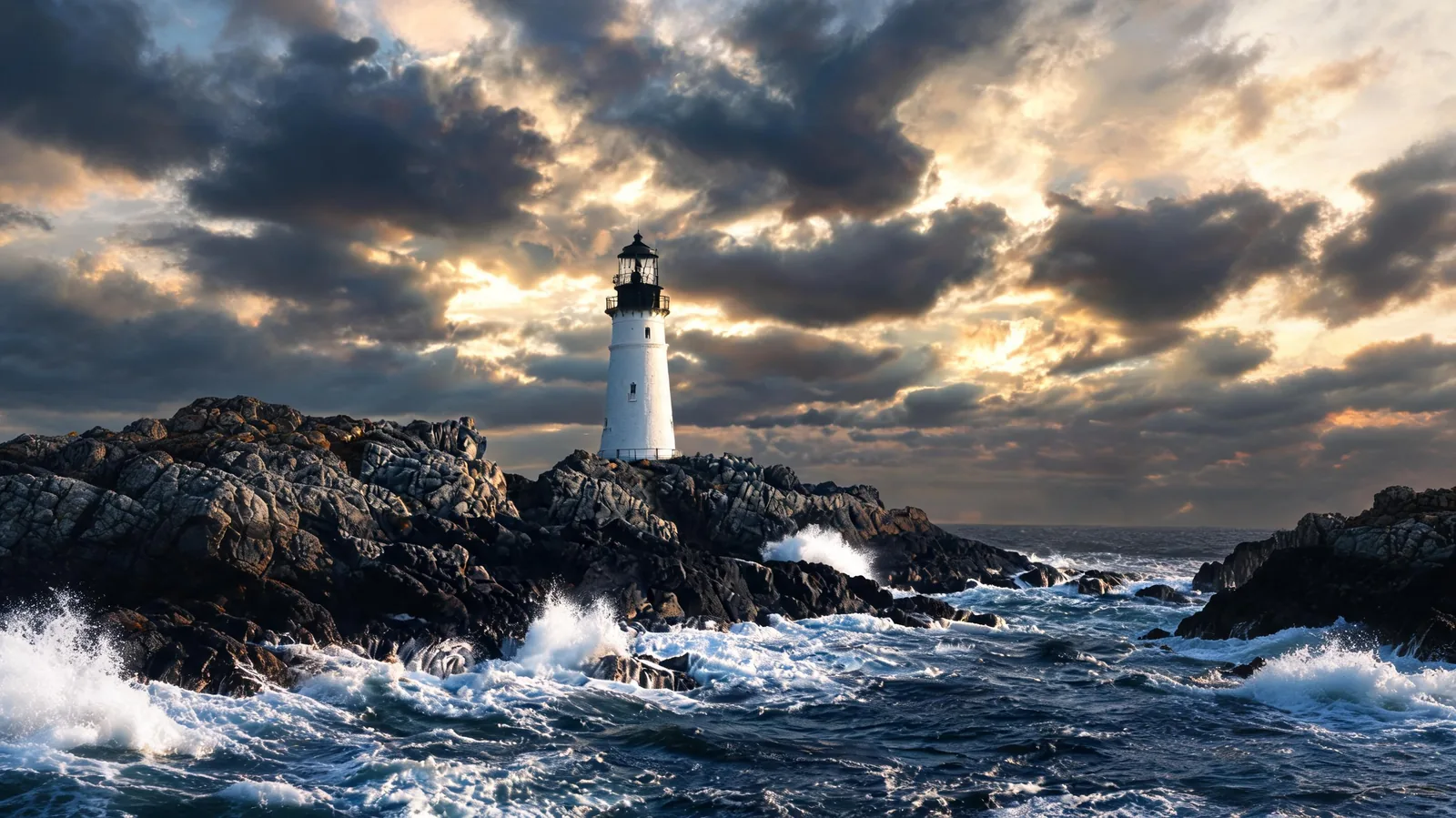
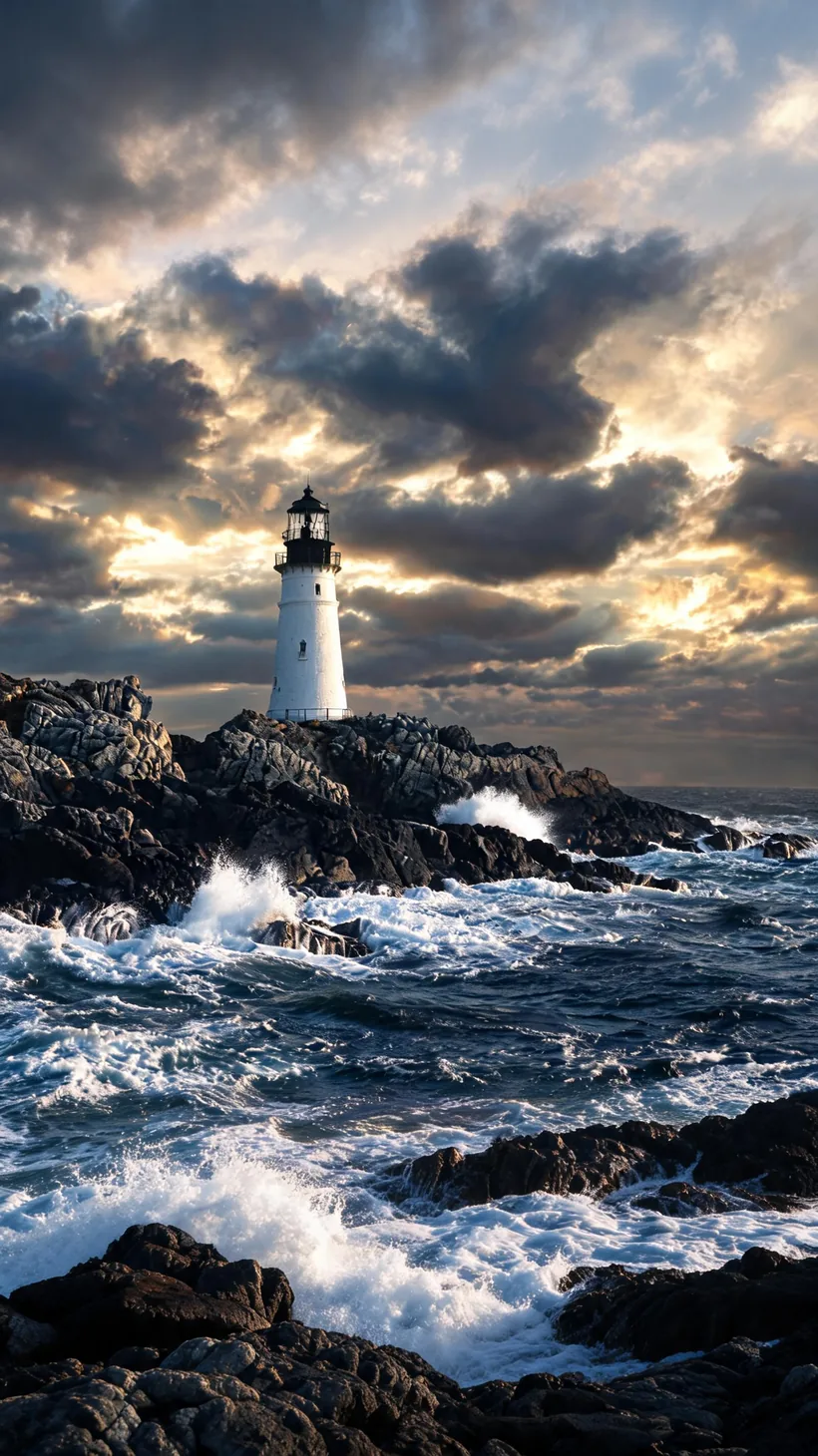
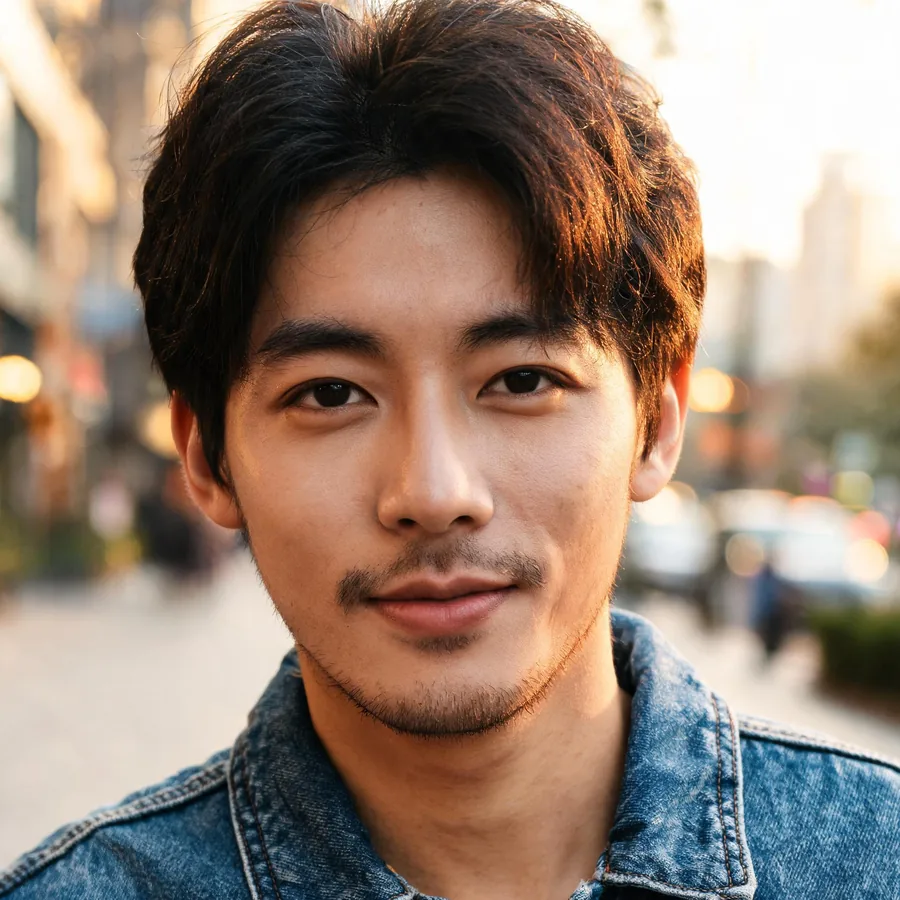
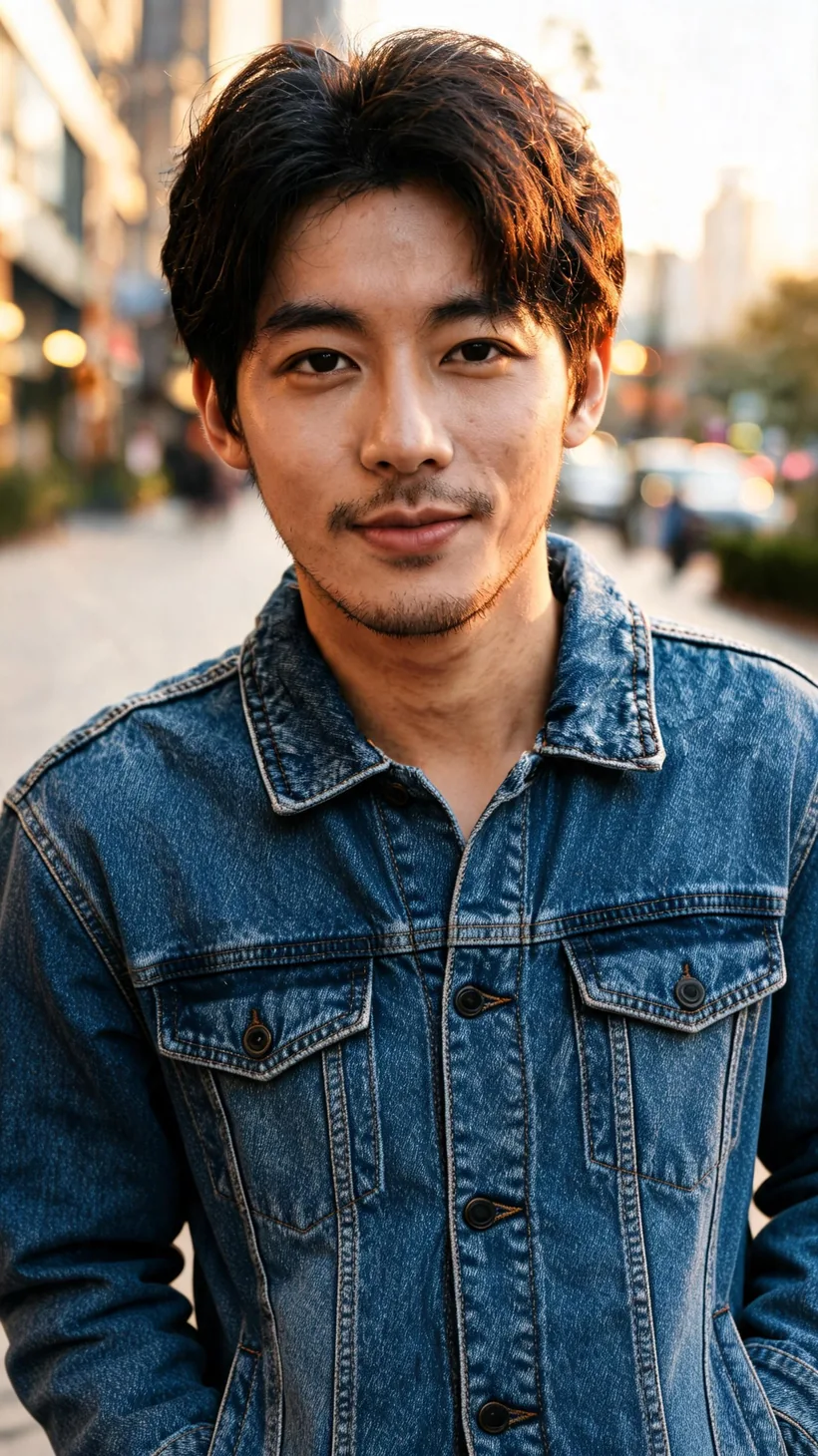
Portrait · square headshot taken tall
There are four ways to make a photo fit a new aspect ratio. Only one of them keeps everything you had and gives you more.
| Method | What happens | Keeps your subject? | Best for |
|---|---|---|---|
| Crop | Cuts pixels off the edges | No — loses content | Trimming distractions |
| Stretch / squash | Warps the image to fit | No — distorts the subject | Best avoided |
| Letterbox bars | Adds blank bars around it | Yes, but adds empty space | A quick, plain fit |
| AI extend (this tool) | Paints believable new scene | Yes — and gains more picture | Reframing without losing anything |
In four steps, all inside Pixazo's image-to-image editor, where the Expand Image tool is ready as soon as your picture loads.
Drop in a JPG or PNG up to 5 MB. A clear subject on a simple, continuous background extends most cleanly.
Move or resize the picture on the canvas to leave negative space on the sides you want to grow — or switch to a new aspect ratio.
The AI fills the new area to match the original's lighting, colour and content, blending it into the existing edges.
Happy with it? Download a PNG. Not quite? Regenerate — each pass reads the image a little differently.
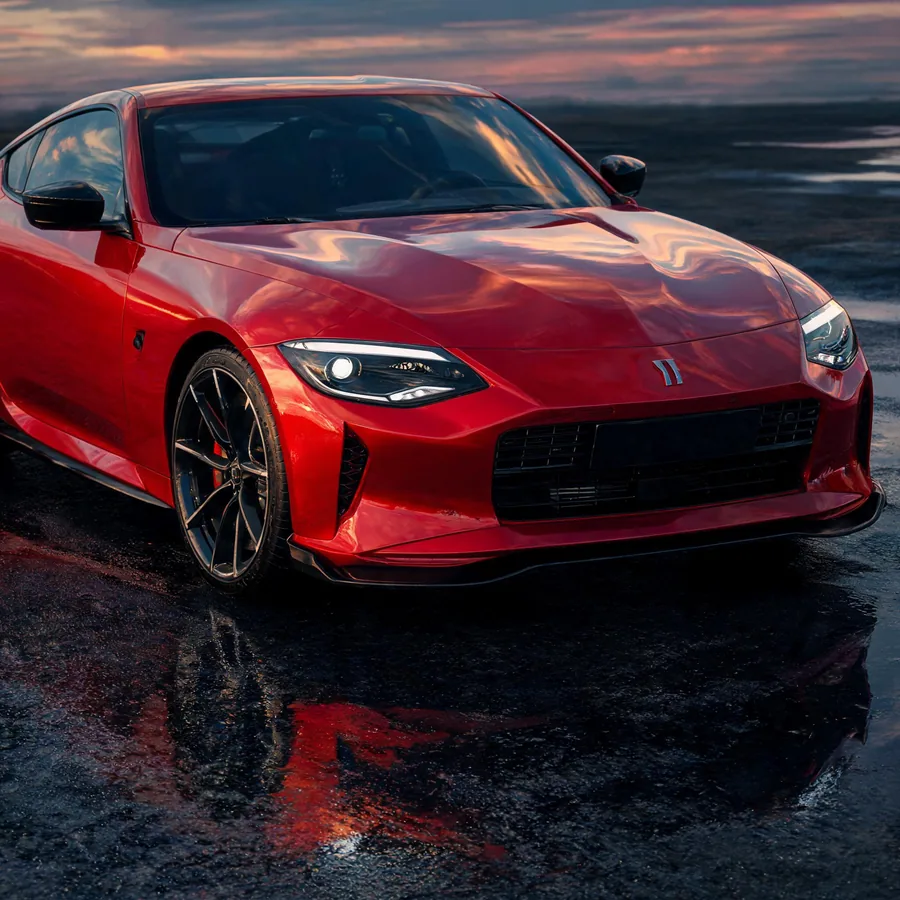
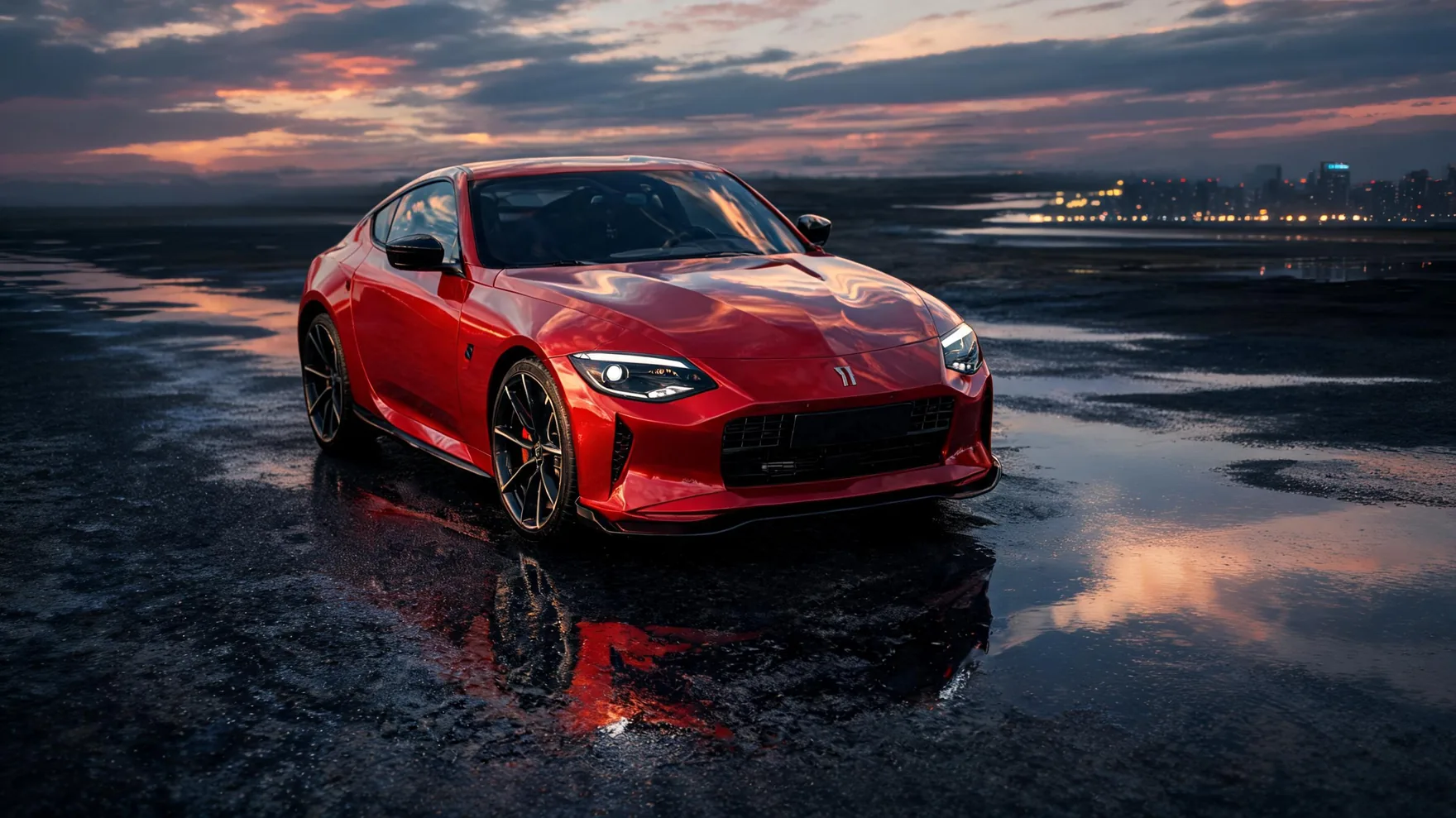 + road & skyline added by AI
Whenever you need more frame than you actually shot. The six most common jobs:
01
Refit a square post for a 16:9 cover, a story, or a print layout without squashing or letterbox bars.
02
Grow clean space above or beside a subject so a headline, logo or CTA has somewhere to sit.
03
Turn a tight pack-shot into a roomy e-commerce hero with a surface and props around it.
04
Win back the shoulders, feet or scenery a phone crop cut off, instead of reshooting.
05
Extend a favourite photo or artwork to fill a desktop or phone screen edge to edge.
06
Grow the world around a generated image — more sky, more landscape, more scene to work with.

 + props & surface added by AI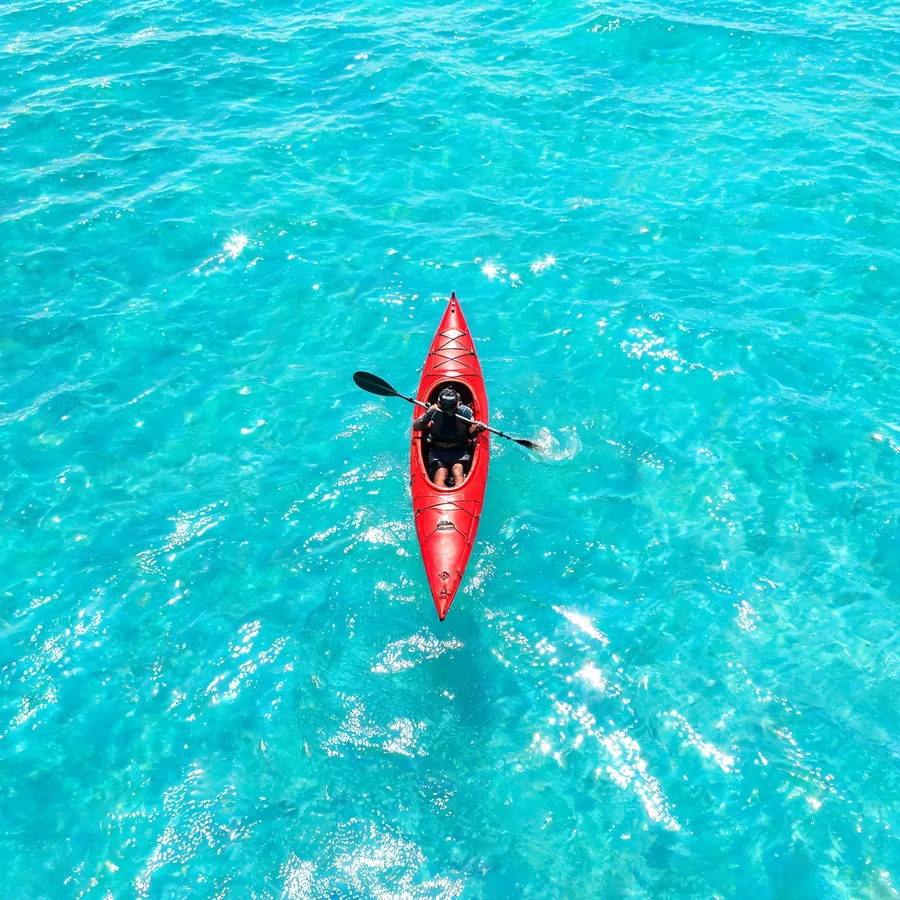
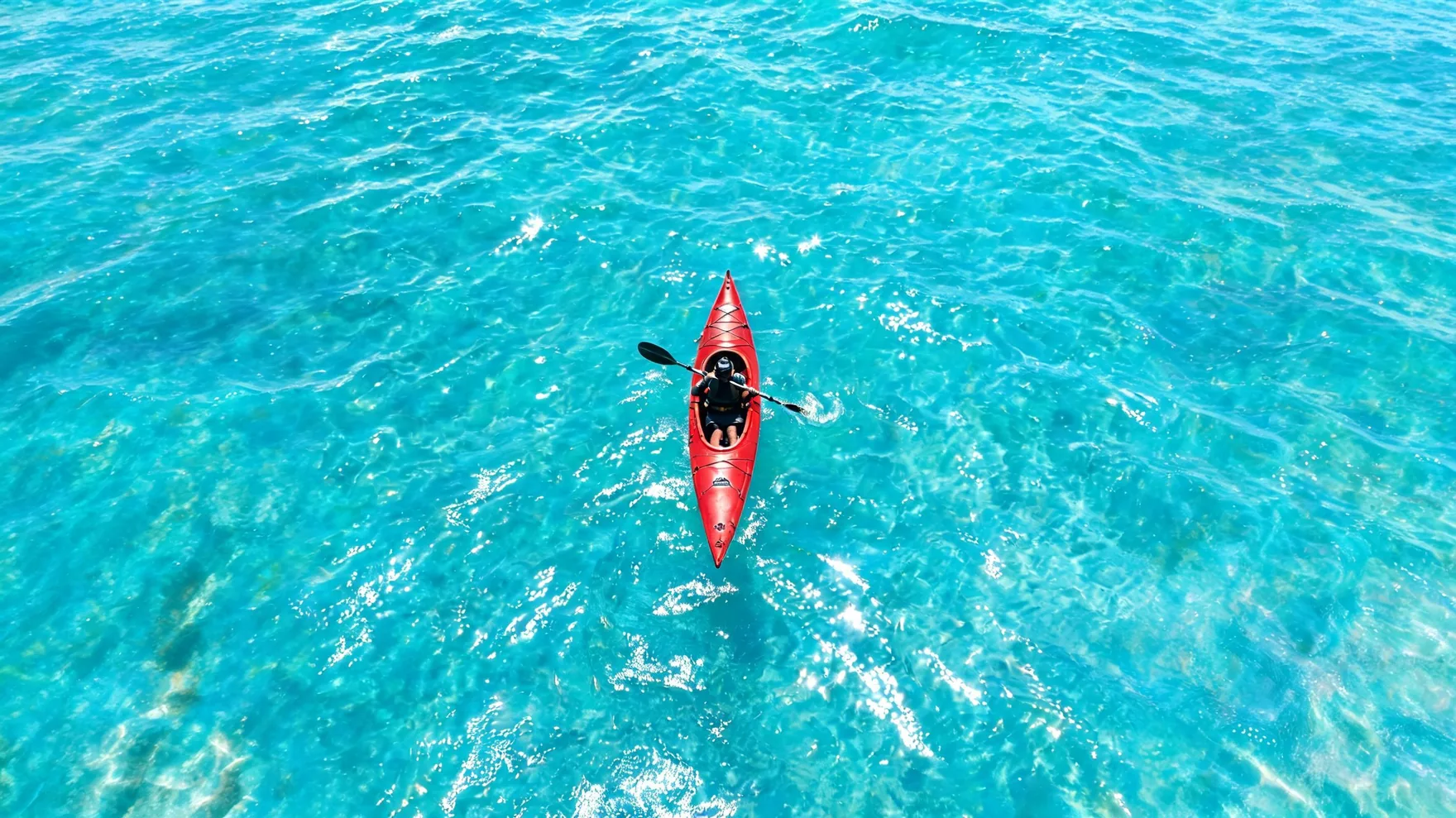 + open sea added by AI
The photo you start with matters more than the prompt. Images with room to "guess into" extend cleanly; images full of structure fight the AI.
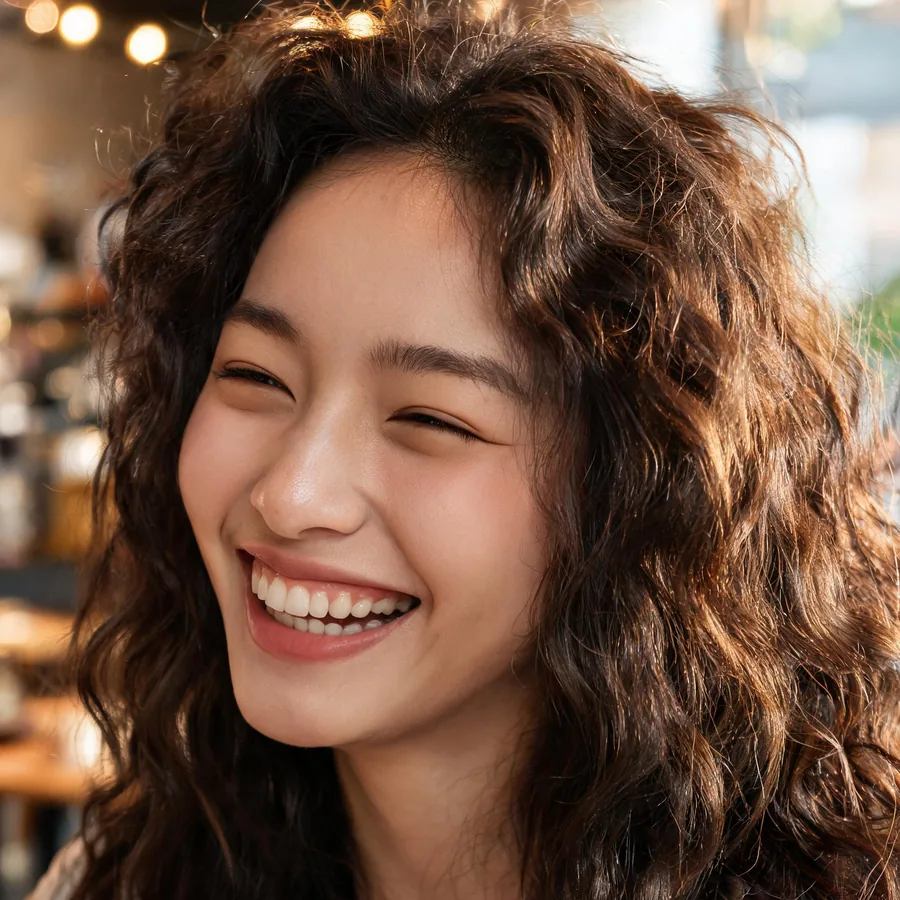
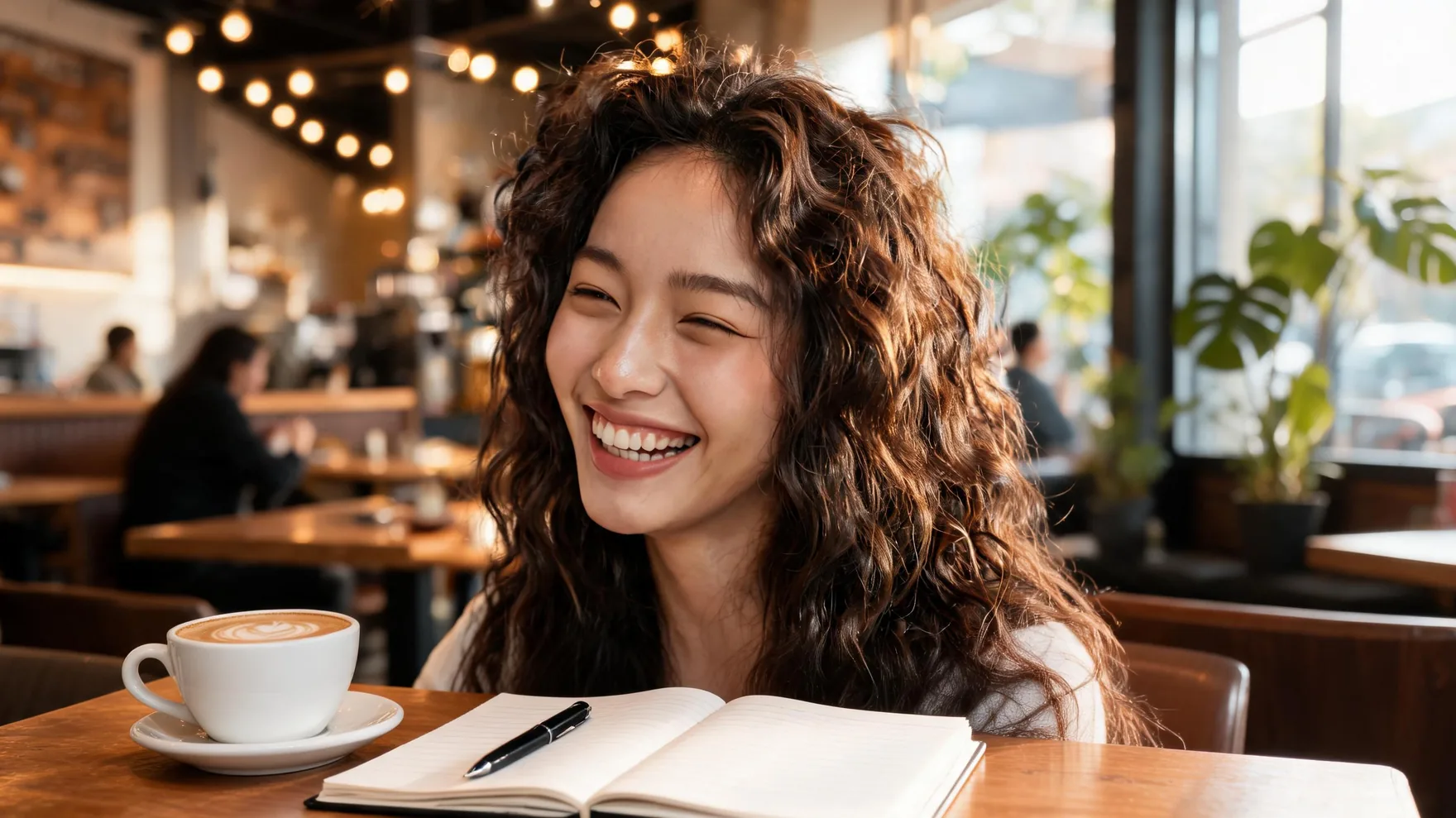 + café scene added by AI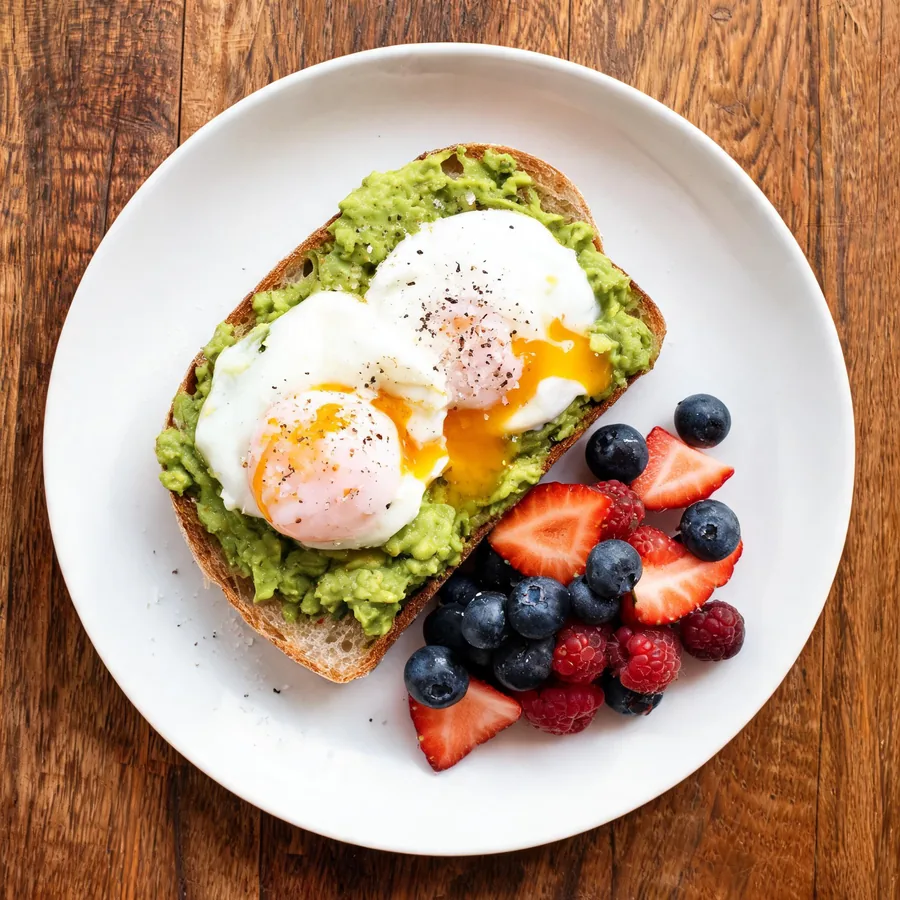
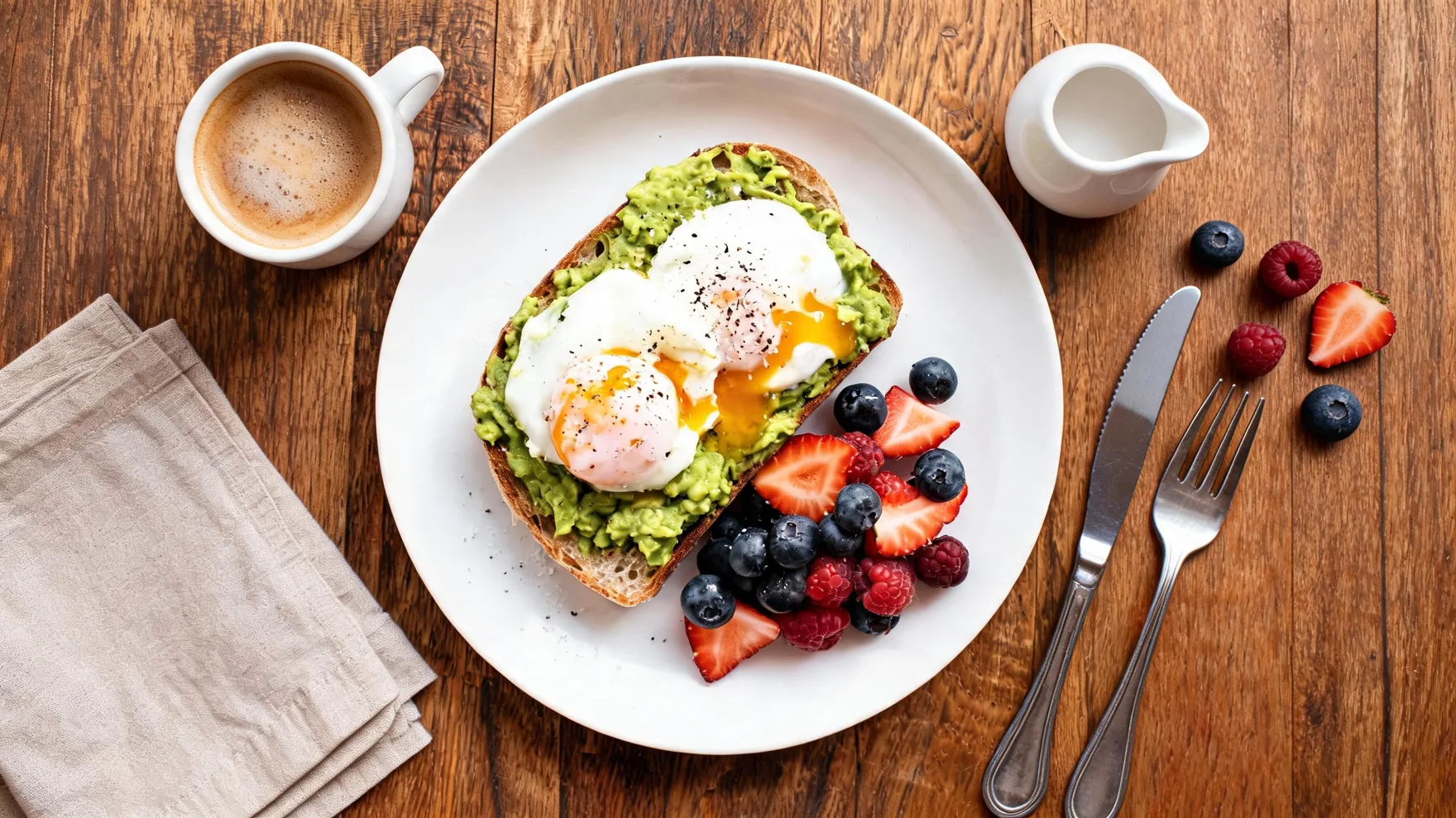 + table setting added by AI
Five habits that separate a seamless uncrop from an obvious one.
One image in, a larger PNG out. The full input/output detail:
| You upload | One image — JPG or PNG, up to 5 MB |
|---|---|
| You get back | A PNG at the new, larger canvas size |
| Where it runs | Pixazo AI Playground → the image-to-image editor → Expand Image |
| Best input | A clear subject on a simple or continuous background (sky, water, wall, studio sweep) |
| Hardest input | Busy patterns, straight architecture, text, and extra faces in the new area |
| Cost | 7-day free trial; a subscription after that — see the pricing page |
| Access | Any modern browser — nothing to install |
In a few predictable places. Knowing them saves you credits and disappointment.
The new area is a believable guess, not the real scene that was outside your original frame.
Small, repeated extensions look far better than one huge jump, where the fill tends to drift or repeat.
Straight lines, tiled patterns, readable text and clean architecture can bend or smear in the extended zone.
Ask for extra people or hidden hands and the AI can distort them — keep the new area to background.
It won't sharpen or add resolution to your existing pixels — that's a different job entirely.
No batch runs; files must be JPG or PNG and under 5 MB, so convert or compress large sources first.
Bring a photo that was framed a little too tight — and give it room to breathe.
Extend an image free