Introducing LTX-2 Video API on Pixazo for Unified Audio-Visual AI Video Generation


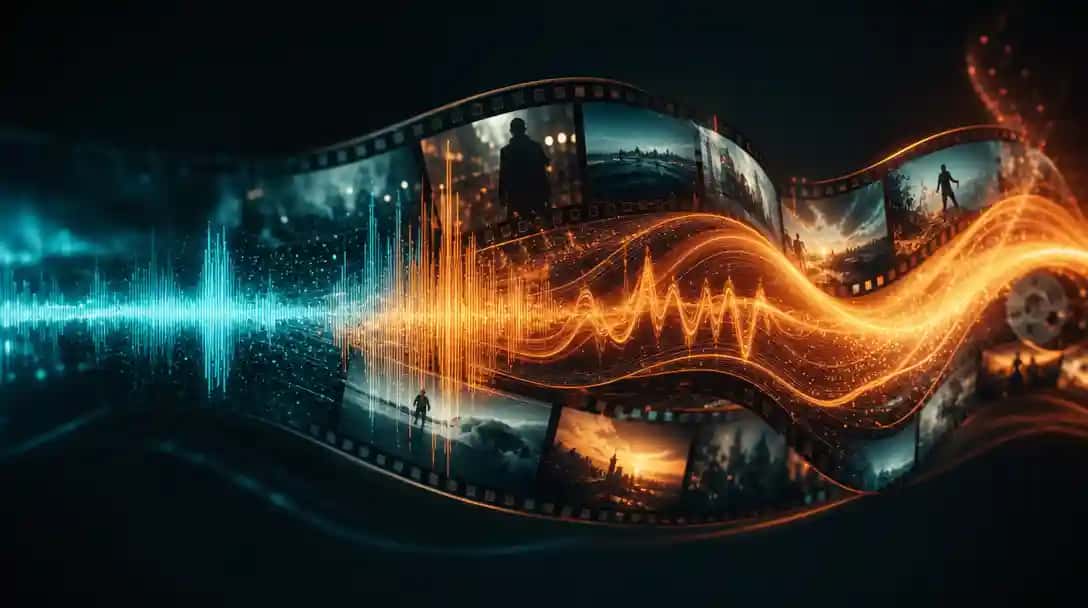
We’re excited to introduce the LTX-2 Video API on Pixazo, a next-generation multimodal AI video foundation model developed by Lightricks and now available through Pixazo’s unified API platform. Also known as LTX Video 2.0, LTX-2 represents a major advancement in AI video generation by becoming the first all-in-one model capable of generating synchronized video and audio together in a single pass.
LTX-2 API is designed for creators, developers, and production teams who need high-fidelity video output with realistic motion, cinematic structure, and native sound — without relying on fragmented pipelines for visuals, dialogue, music, and ambience. Whether you are generating videos from text prompts, animating still images, or building advanced creative applications, LTX-2 delivers production-ready results with unprecedented coherence and control.
By integrating LTX-2 into Pixazo, teams can now access text-to-video and image-to-video generation, synchronized audio, extended video durations, and native high-resolution output — all through a standardized, scalable API experience.
What Is LTX-2 Video API?
The LTX-2 Video API provides programmatic access to Lightricks’ advanced multimodal video generation model, enabling developers and platforms to generate complete videos — visuals and audio together — from either natural-language prompts or visual references.
Unlike traditional AI video systems that generate silent footage and require external audio tools for voice, music, or sound effects, LTX-2 treats audio and video as inseparable components of a single generative process. Motion, dialogue, background ambience, and music are all produced in perfect sync, ensuring that sound timing, emotional tone, and visual pacing remain aligned throughout the clip.
LTX-2 supports both:
- Text-to-Video (T2V) workflows for generating videos directly from prompts
- Image-to-Video (I2V) workflows for animating still images into coherent video sequences
Through Pixazo, these capabilities can be embedded directly into creative tools, content platforms, and automated video pipelines.
Unified Audio and Video Generation in a Single Pass
At the core of LTX-2 is a unified latent video auto-encoder combined with a spatio-temporal transformer architecture. This design allows the model to reason about motion, space, time, and sound simultaneously, rather than treating them as separate stages.
When generating a video, LTX-2 determines:
- How subjects move and interact over time
- How camera perspective and motion evolve across frames
- How dialogue aligns with mouth movement and facial expression
- How music and ambient sound support the emotional flow of the scene
Because audio is generated alongside visuals, the output feels intentionally directed rather than assembled after the fact. Dialogue timing, background ambience, and sound effects reinforce visual action, creating a cohesive cinematic experience from a single generation step.
High-Fidelity Video Output With Extended Duration Support
LTX-2 is built for longer, more coherent video generation than many earlier AI video models. Using the LTX-2-fast flow, developers can generate up to 20 seconds of continuous, synchronized audio and video in a single run.
This extended duration allows for:
- More complete narrative beats
- Meaningful camera movement and pacing
- Consistent character motion across scenes
- Audio continuity without abrupt transitions
For creators and platforms, this makes LTX-2 suitable not just for experimental clips, but for real storytelling, marketing content, and production workflows.
Native High-Resolution and Smooth Motion
LTX-2 supports native high-resolution video generation, producing outputs up to 4K (2160p) resolution with smooth motion and strong visual fidelity. The model is designed to handle complex motion dynamics while maintaining clarity across frames, reducing common AI artifacts such as jitter, distortion, or inconsistent movement.
With support for high frame rates and refined temporal consistency, LTX-2 produces videos that feel fluid and visually grounded — even in scenes with camera movement, character motion, or environmental effects.
This makes the model well-suited for:
- Social media and short-form content
- Marketing and branded videos
- Cinematic concept previews
- Research and experimental video generation
Text-to-Video Generation With Natural Language Control
In text-to-video mode, LTX-2 translates natural-language prompts into visually rich, motion-aware video sequences. Prompts can describe not only what appears in the scene, but also how it unfolds over time.
The model understands:
- Scene composition and environment
- Camera logic and movement
- Emotional tone and pacing
- Interaction between subjects
By combining linguistic reasoning with temporal understanding, LTX-2 generates videos that follow creative intent rather than producing disconnected visuals.
Image-to-Video Generation With Coherent Motion
The LTXV 2.0 image-to-video model allows users to animate still images into realistic video sequences. Instead of simply applying motion effects, the model analyzes spatial structure and visual context to generate believable movement.
This approach enables:
- Natural subject motion
- Stable background behavior
- Consistent lighting and perspective
- Smooth transitions across frames
Suggested Read: Introducing P-Video API on Pixazo for Fast and Iterative AI Video Generation
Because the same spatio-temporal transformer is used, the output maintains coherence even as motion complexity increases.
Advanced Creative Control for Professional Workflows
LTX-2 offers a wide range of advanced control features designed for professional and research use cases. These include:
- Multi-keyframe conditioning, allowing creators to guide motion and structure across time
- 3D camera logic, enabling realistic camera movement and spatial reasoning
- LoRA fine-tuning support, making it possible to maintain stylistic consistency across generations
- Flexible input combinations, mixing text, images, and conditioning data
These capabilities make LTX-2 far more than a basic video generator — it functions as a flexible video foundation model that can adapt to diverse creative and technical requirements.
Suggested Read: Best AI Image and Video Generation API Platforms in 2026
Model Variations for Speed, Quality, and Cinematic Fidelity
LTX-2 is available in three specialized flows, each optimized for different production needs:
1. LTX-2 Fast
Designed for rapid iteration and brainstorming, this flow generates high-quality previews quickly. It is ideal for testing concepts, prototyping scenes, or running high-volume generation tasks.
2. LTX-2 Pro
The balanced production standard, offering strong visual fidelity, reliable motion, and efficient performance. This mode is well-suited for social media content, ads, and branded video workflows.
Suggested Read: Introducing LTX-2 19B API on Pixazo for Cinematic Image-to-Video and Audio-Synchronized Generation
3. LTX-2 Ultra
Built for maximum cinematic quality, this flow prioritizes texture, detail, and realism. It is designed for high-end creative work such as film concepts, VFX previews, and premium storytelling.
This tiered approach allows teams to choose the right balance between speed and visual quality based on their use case.
What You Can Build With LTX-2 Video API?
LTX-2 unlocks a wide range of real-world video applications, including:
- Text-driven cinematic video generation
- Image-to-video animation and visual expansion
- Marketing videos and brand storytelling
- Social media and short-form video content
- Concept trailers and pre-visualization
- Research and experimentation with generative video
Because audio and video are generated together, teams can move from idea to finished clip far more efficiently than with traditional pipelines.
Suggested Read: Introducing LTX 2.3 Quality API and MAI Image 2.5 API on Pixazo API
LTX-2 for Developers, Creators, and Platforms
For developers and platform builders, LTX-2 provides a powerful foundation for next-generation video products. The API can be integrated into creative apps, content platforms, and automated systems without requiring teams to manage complex video or audio infrastructure.
For creators and marketers, LTX-2 reduces reliance on editing tools, sound design workflows, and manual synchronization. Videos are generated as complete audiovisual experiences, ready for iteration or distribution.
For researchers, the image-to-video model offers a research-ready environment for studying generative motion, temporal coherence, and multimodal synthesis.
Accessing LTX-2 Video API on Pixazo
The LTX-2 Video API is now available on Pixazo for both text-to-video and image-to-video generation. Pixazo’s standardized API interface makes it easy to integrate LTX-2 into existing workflows, applications, or creative pipelines.
You can explore the full documentation here:
LTX-2 Video API – https://www.pixazo.ai/models/ltx
LTX-2 API – https://www.pixazo.ai/models
The Bigger Picture
LTX-2 represents a significant shift in how AI video is created. By unifying motion, visuals, and audio into a single generation process, it removes many of the traditional barriers between ideation and production.
With LTX-2 now available on Pixazo, creators and developers gain access to a powerful, flexible video foundation model capable of delivering cinematic, synchronized audiovisual content at scale — without the complexity of fragmented tools or manual post-production.
Suggested Read: The Ultimate Pixazo Comparison: Veo 3.1 vs Sora 2 Pro vs Kling 2.6 vs Wan 2.5 vs Hailuo 2.3 vs LTX-2 Pro vs Seedance Pro
Frequently Asked Questions About LTX-2 Video API
1. What is LTX-2 Video API?
LTX-2 Video API provides programmatic access to Lightricks’ next-generation multimodal AI video model that generates synchronized video and audio together from text prompts or image inputs.
2. Does LTX-2 generate audio automatically with video?
Yes. LTX-2 generates dialogue, background ambience, and music natively as part of the video generation process, ensuring perfect synchronization between audio and visuals.
Suggested Read: Introducing Kling Video 3 Turbo Pro API on Pixazo API
3. What types of video generation does LTX-2 support?
LTX-2 supports both text-to-video and image-to-video generation, allowing users to create videos from natural language prompts or animate still images into coherent video sequences.
4. How long can the generated videos be?
Using the LTX-2-fast flow, the model can generate up to 20 seconds of continuous, synchronized audio and video in a single generation.
5. Who can benefit from using LTX-2 Video API on Pixazo?
Developers, creators, marketers, researchers, and platform builders can all benefit from LTX-2, especially those looking to build production-ready, audio-visual AI video workflows without complex post-production pipelines.
Suggested Read: Best Open Source AI Video Generation Models in 2026
Deepak Joshi
Author · Pixazo
Deepak writes about generative AI models, APIs, and the workflows teams use to ship them. Reviewed by Abhinav Girdhar.