Best Voice Cloning API Providers in 2026: Ranked and Compared



Cloning a voice from a short sample, for narration, dubbing, or a consistent brand voice, is now fast and convincing enough to ship. Models differ in how little audio they need and how faithfully they capture tone. This guide covers the voice cloning API catalog on Pixazo across 5 of the leading models available today.
2. VibeVoice by Microsoft

Microsoft-powered natural text-to-speech synthesis. Available on the Pixazo API through one unified endpoint, so you can benchmark it against the others on your own inputs without changing your integration.
3. XTTS 2 by Coqui

Cross-lingual AI voice cloning and multilingual speech synthesis. Available on the Pixazo API through one unified endpoint, so you can benchmark it against the others on your own inputs without changing your integration.
4. Openbmb VoxCPM2 by OpenBMB
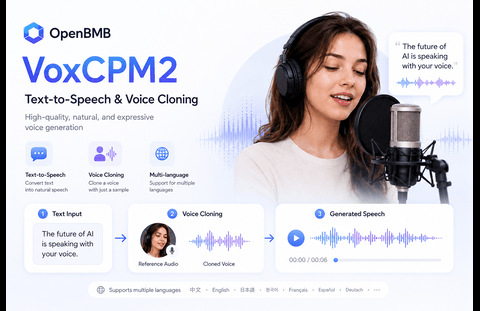
Advanced AI audio generation and voice design from text. Available on the Pixazo API through one unified endpoint, so you can benchmark it against the others on your own inputs without changing your integration.
5. Zonos2 by Zyphra
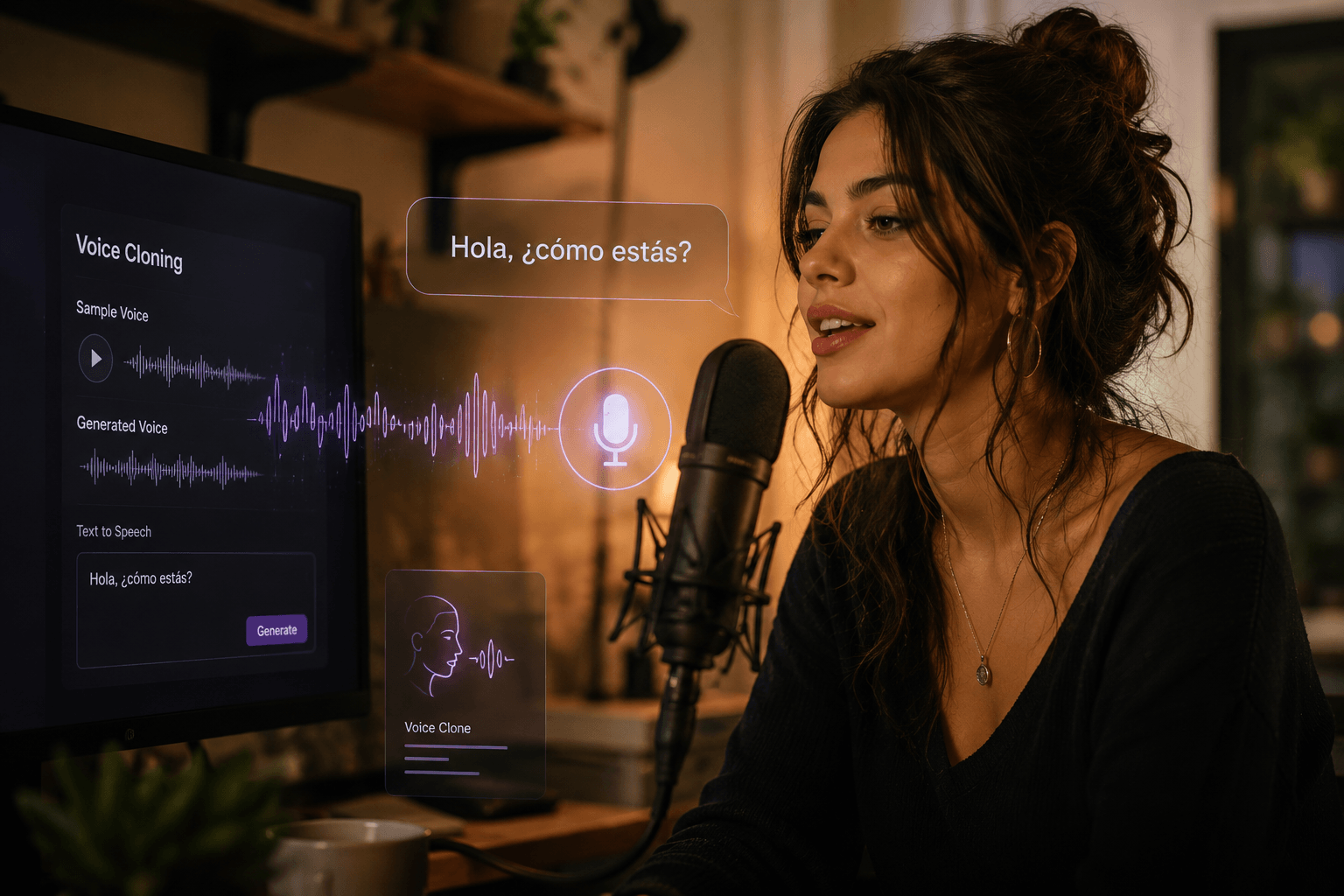
Advanced AI text to speech and voice cloning. Available on the Pixazo API through one unified endpoint, so you can benchmark it against the others on your own inputs without changing your integration.
Start with the Voice Cloning API
Every model here runs through one Pixazo API key — pick a model, send a request, and switch freely as new models launch.
Or browse the full model catalog across image, video, and audio.
Suggested Read: Best Reference to Video API Providers Compared in 2026
Frequently asked questions
Which voice cloning API is best in 2026?
It depends on your use case — Chatterbox, VibeVoice and XTTS 2 are among the strongest right now. Because every model here runs on one Pixazo endpoint, the fastest way to decide is to test them on your own inputs.
Suggested Read: Introducing the Fish Audio Drama 3 API on Pixazo API
Can I switch between these models without changing my code?
Yes. Pixazo exposes every voice cloning model through a single API — you change one model parameter, not your integration, and billing stays unified.
Suggested Read: Asymmetrical Balance in Art (Examples and Usage)
Are new models added automatically?
This list is refreshed from Pixazo’s live voice cloning catalog, so newly launched models appear on the same endpoint as they go live.
How does pricing work?
Pay-as-you-go through one key, with no per-provider contracts. See the Voice Cloning API page for current rates.
Suggested Read: What is Symmetry in Design? (Basic Concept, Importance and Examples)
Is there a free voice cloning API to start with?
Yes. Create a free key from the Pixazo API console and call any model on this list right away, then move to pay-as-you-go as your volume grows.
Suggested Read: Best Free Image, Video and Audio Generation APIs for 2026 – Ranked and Compared
Do I need a separate API key for each model?
No. One Pixazo key works across every voice cloning model here, so you can benchmark and switch models without managing separate credentials or contracts.
Which model should I start with?
Chatterbox, VibeVoice, XTTS 2 are strong defaults today. Because they share one endpoint, the fastest way to choose is to run the same input through each and compare.
Suggested Read: Key Challenges and Goals in Converting Textual Descriptions into Video Content
Can I use the outputs commercially?
Commercial rights depend on the specific model you call. Check each model page for its licensing terms before shipping to production.
How do I get started with the voice cloning API?
Grab a key from the API console, pick a model from the list above, and send your first request to the unified endpoint.
Model list sourced from the live Pixazo Voice Cloning API catalog. Written by Deepak Joshi, reviewed by Abhinav Girdhar. Last updated July 2026.
Suggested Read: AI Voice Cloning Ethics: Consent, Regulation, and the Future of Synthetic Speech (2026)
Deepak Joshi
Author · Pixazo
Deepak writes about generative AI models, APIs, and the workflows teams use to ship them. Reviewed by Abhinav Girdhar.