Best Audio Generation APIs in 2026



Speech, music, sound effects, voice cloning, and audio cleanup have converged into one fast-growing API category, and no single model does all of it well. The trick is matching the model to the task. This guide indexes the complete audio generation API catalog on Pixazo, kept in step with the live roster, across all 32 models and tools listed below.
Speech, music, and SFX from one key. Every audio model and tool below shares the same Pixazo endpoint, so you change models with a parameter and pay only for what you generate. Get a free API key →
Audio Generation models at a glance
| Model | Provider | What it’s best for |
|---|---|---|
| ElevenLabs | ElevenLabs | Premium AI voice synthesis and music generation. |
| MiniMax | MiniMax | Multimodal AI for video, image, voice, and music generation. |
| Chatterbox | Resemble AI | Realistic AI text-to-speech synthesis with natural intonation. |
| Tracks | Pixazo | Pixazo AI-powered music generation and audio synthesis. |
| VibeVoice | Microsoft | Microsoft-powered natural text-to-speech synthesis. |
| Lyria 3 Pro | Google's advanced AI music generation model for creating high-quality audio. | |
| Gemini 3.1 Flash | Google Gemini Flash AI text-to-speech generation. | |
| Ace Step 1.5 | ACE Studio | Advanced AI music generation across multiple genres and styles. |
| MMAudio v2 | Sony AI | Advanced AI audio generation from text. |
| XTTS 2 | Coqui | Cross-lingual AI voice cloning and multilingual speech synthesis. |
| Qwen Audio 3.0 | Alibaba | Alibaba Qwen multilingual AI text-to-speech synthesis. |
| Mirelo SFX 1.6 | Mirelo AI | AI-generated ambient audio and sound effects synchronized to video. |
| Openbmb VoxCPM2 | OpenBMB | Advanced AI audio generation and voice design from text. |
| Stable Audio 3 | Stability AI | Advanced AI music generation across multiple genres and styles. |
| Zonos2 | Zyphra | Advanced AI text to speech and voice cloning. |
| Fish Audio | Fish Audio | Advanced AI audio and speech generation. |
| Deepgram | Deepgram | Advanced AI text to speech generation. |
| Inworld TTS 2 | Inworld | Advanced AI text to speech generation. |
| Grok Voice | xAI | xAI Grok Voice for AI-powered speech generation. |
| MeloTTS | MyShell | Advanced AI text to speech generation. |
| Lux TTS | Lux | AI text to speech generation with natural voices. |
| Tada TTS 3 | Tada | AI text to speech generation with expressive voices. |
| OpenAI Speech to Text | OpenAI | Advanced AI speech to text transcription. |
| Audio Stem Separation | Pixazo | Split audio or video into isolated stems. |
| AssemblyAI | AssemblyAI | AI speech to text and audio understanding. |
| Speaker Diarization | Pixazo | Detect and label who spoke when in audio. |
| OpenAI Text to Speech | OpenAI | OpenAI natural AI text to speech generation. |
| Audio Loudness Normalizer | Pixazo | Corrects a track to a chosen LUFS target with true peak held at -1.0 dBTP. |
| Audio Denoiser | Pixazo | Applies FFT noise reduction at one of three strengths to clean up a recording. |
| Audio Trimmer | Pixazo | Extracts a time range from an audio file and returns it as an MP3. |
| Audio Extractor | Pixazo | Converts a video soundtrack into a standalone MP3 or M4A file. |
Quick picks
- ElevenLabs: Premium AI voice synthesis and music generation.
- MiniMax: Multimodal AI for video, image, voice, and music generation.
- Chatterbox: Realistic AI text-to-speech synthesis with natural intonation.
Suggested Read: Introducing the Fish Audio Drama 3 API on Pixazo API
The 31 best audio generation models on Pixazo
1. ElevenLabs by ElevenLabs
Premium AI voice synthesis and music generation. Available on the Pixazo API through one unified endpoint, so you can benchmark it against the others on your own inputs without changing your integration.
2. MiniMax by MiniMax

Multimodal AI for video, image, voice, and music generation. Available on the Pixazo API through one unified endpoint, so you can benchmark it against the others on your own inputs without changing your integration.
3. Chatterbox by Resemble AI

Realistic AI text-to-speech synthesis with natural intonation. Available on the Pixazo API through one unified endpoint, so you can benchmark it against the others on your own inputs without changing your integration.
Suggested Read: Introducing Seedance 2.5 API on Pixazo API: 30-Second Video with Native Sound
4. Tracks by Pixazo

Pixazo AI-powered music generation and audio synthesis. Available on the Pixazo API through one unified endpoint, so you can benchmark it against the others on your own inputs without changing your integration.
5. VibeVoice by Microsoft
Microsoft-powered natural text-to-speech synthesis. Available on the Pixazo API through one unified endpoint, so you can benchmark it against the others on your own inputs without changing your integration.
6. Lyria 3 Pro by Google

Google's advanced AI music generation model for creating high-quality audio. Available on the Pixazo API through one unified endpoint, so you can benchmark it against the others on your own inputs without changing your integration.
7. Gemini 3.1 Flash by Google
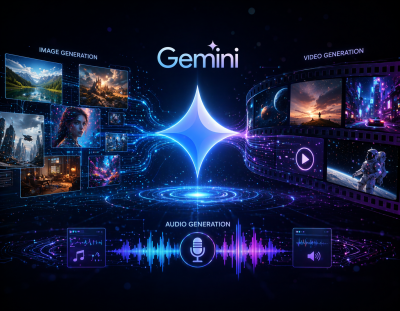
Google Gemini Flash AI text-to-speech generation. Available on the Pixazo API through one unified endpoint, so you can benchmark it against the others on your own inputs without changing your integration.
8. Ace Step 1.5 by ACE Studio

Advanced AI music generation across multiple genres and styles. Available on the Pixazo API through one unified endpoint, so you can benchmark it against the others on your own inputs without changing your integration.
9. MMAudio v2 by Sony AI

Advanced AI audio generation from text. Available on the Pixazo API through one unified endpoint, so you can benchmark it against the others on your own inputs without changing your integration.
10. XTTS 2 by Coqui
Cross-lingual AI voice cloning and multilingual speech synthesis. Available on the Pixazo API through one unified endpoint, so you can benchmark it against the others on your own inputs without changing your integration.
11. Qwen Audio 3.0 by Alibaba
Alibaba Qwen multilingual AI text-to-speech synthesis. Available on the Pixazo API through one unified endpoint, so you can benchmark it against the others on your own inputs without changing your integration.
12. Mirelo SFX 1.6 by Mirelo AI

AI-generated ambient audio and sound effects synchronized to video. Available on the Pixazo API through one unified endpoint, so you can benchmark it against the others on your own inputs without changing your integration.
13. Openbmb VoxCPM2 by OpenBMB
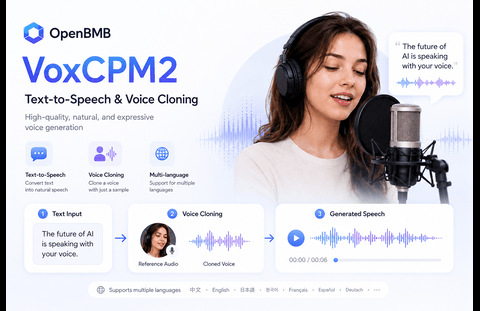
Advanced AI audio generation and voice design from text. Available on the Pixazo API through one unified endpoint, so you can benchmark it against the others on your own inputs without changing your integration.
Suggested Read: Best AI Audio Generation Models in 2026: A Comparison Guide
14. Stable Audio 3 by Stability AI

Advanced AI music generation across multiple genres and styles. Available on the Pixazo API through one unified endpoint, so you can benchmark it against the others on your own inputs without changing your integration.
15. Zonos2 by Zyphra
Advanced AI text to speech and voice cloning. Available on the Pixazo API through one unified endpoint, so you can benchmark it against the others on your own inputs without changing your integration.
16. Fish Audio by Fish Audio
Advanced AI audio and speech generation. Available on the Pixazo API through one unified endpoint, so you can benchmark it against the others on your own inputs without changing your integration.
17. Deepgram by Deepgram
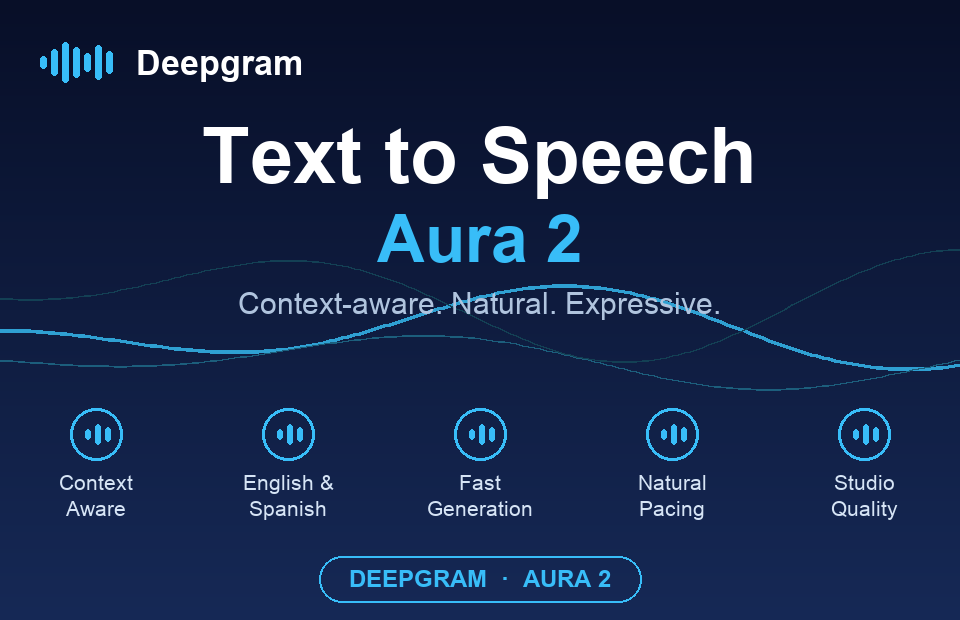
Advanced AI text to speech generation. Available on the Pixazo API through one unified endpoint, so you can benchmark it against the others on your own inputs without changing your integration.
18. Inworld TTS 2 by Inworld
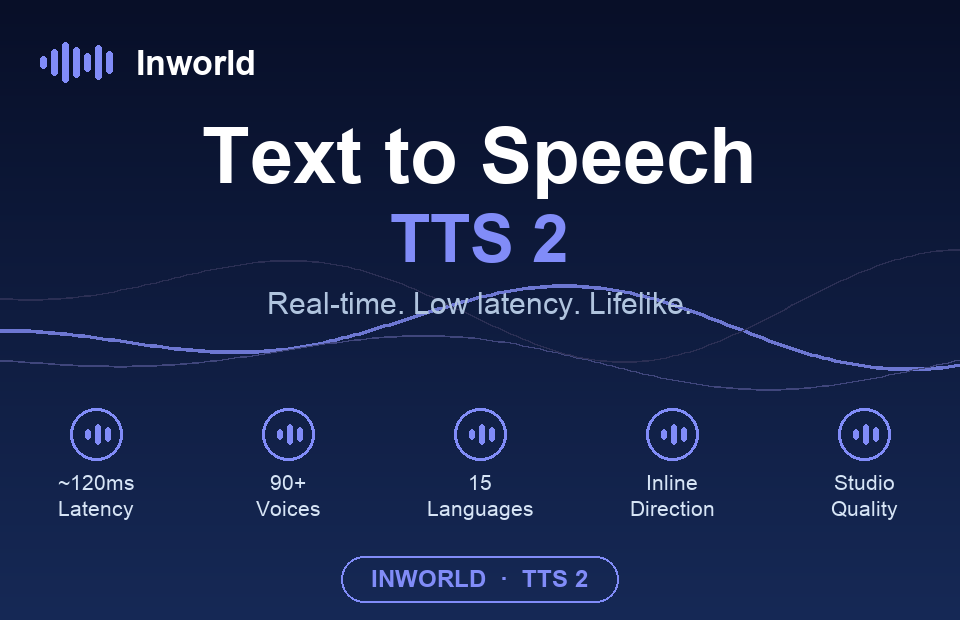
Advanced AI text to speech generation. Available on the Pixazo API through one unified endpoint, so you can benchmark it against the others on your own inputs without changing your integration.
19. Grok Voice by xAI
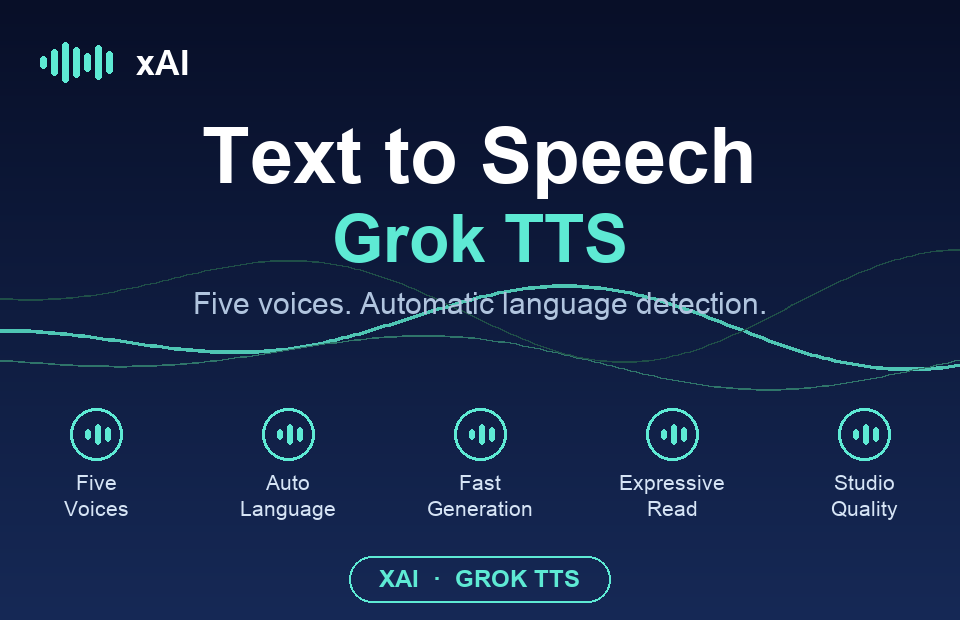
xAI Grok Voice for AI-powered speech generation. Available on the Pixazo API through one unified endpoint, so you can benchmark it against the others on your own inputs without changing your integration.
20. MeloTTS by MyShell
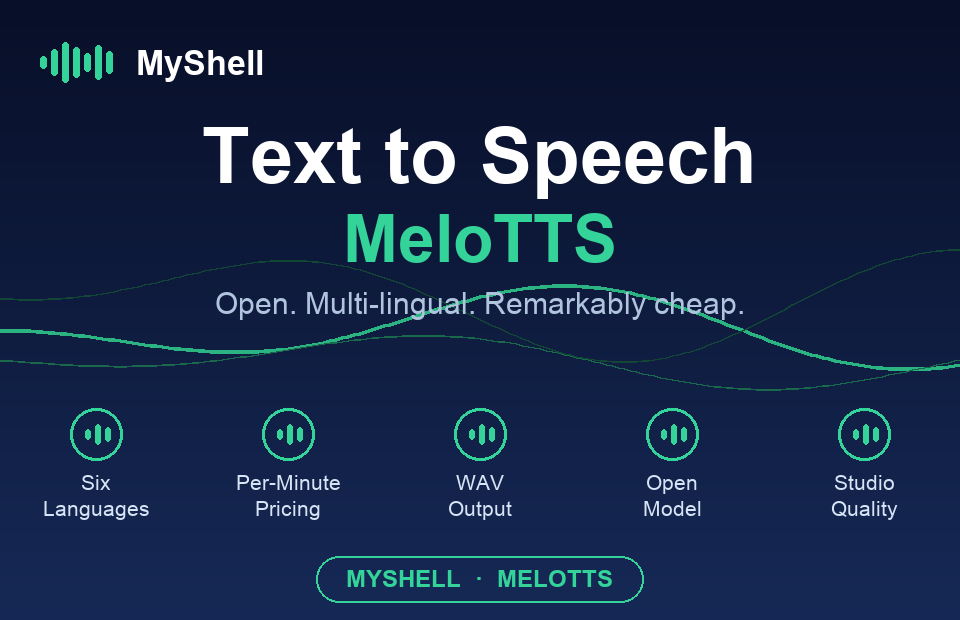
Advanced AI text to speech generation. Available on the Pixazo API through one unified endpoint, so you can benchmark it against the others on your own inputs without changing your integration.
21. Lux TTS by Lux
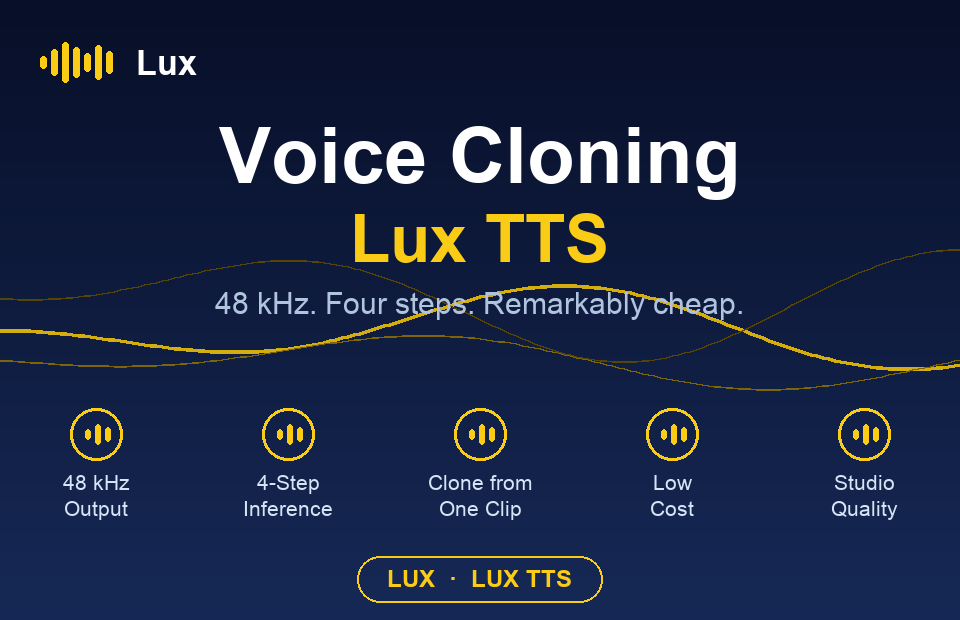
AI text to speech generation with natural voices. Available on the Pixazo API through one unified endpoint, so you can benchmark it against the others on your own inputs without changing your integration.
22. Tada TTS 3 by Tada
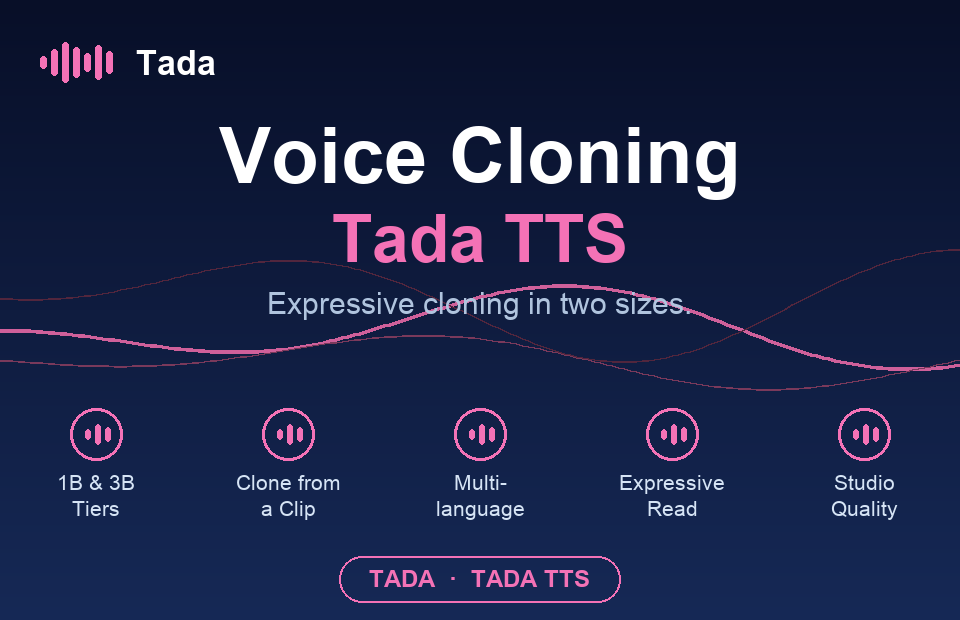
AI text to speech generation with expressive voices. Available on the Pixazo API through one unified endpoint, so you can benchmark it against the others on your own inputs without changing your integration.
Suggested Read: Introducing MiniMax H3 API on Pixazo API: Native 2K AI Video with Sound
23. OpenAI Speech to Text by OpenAI
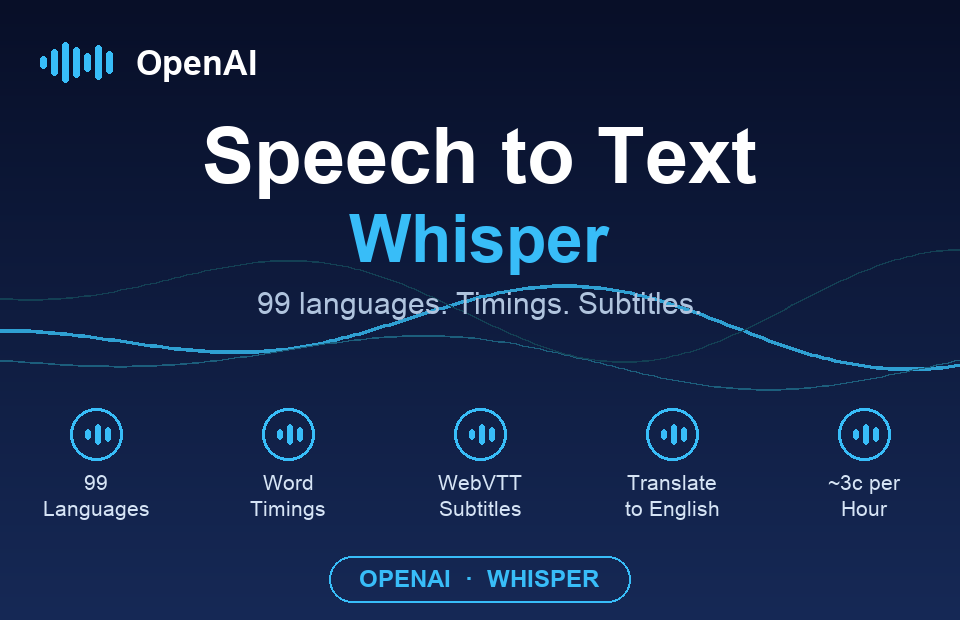
Advanced AI speech to text transcription. Available on the Pixazo API through one unified endpoint, so you can benchmark it against the others on your own inputs without changing your integration.
24. Audio Stem Separation by Pixazo
Split audio or video into isolated stems. Available on the Pixazo API through one unified endpoint, so you can benchmark it against the others on your own inputs without changing your integration.
25. AssemblyAI by AssemblyAI
AI speech to text and audio understanding. Available on the Pixazo API through one unified endpoint, so you can benchmark it against the others on your own inputs without changing your integration.
26. Speaker Diarization by Pixazo

Detect and label who spoke when in audio. Available on the Pixazo API through one unified endpoint, so you can benchmark it against the others on your own inputs without changing your integration.
27. OpenAI Text to Speech by OpenAI
OpenAI natural AI text to speech generation. Available on the Pixazo API through one unified endpoint, so you can benchmark it against the others on your own inputs without changing your integration.
28. Audio Loudness Normalizer by Pixazo

Corrects a track to a chosen LUFS target with true peak held at -1.0 dBTP. Available on the Pixazo API through one unified endpoint, so you can benchmark it against the others on your own inputs without changing your integration.
29. Audio Denoiser by Pixazo

Applies FFT noise reduction at one of three strengths to clean up a recording. Available on the Pixazo API through one unified endpoint, so you can benchmark it against the others on your own inputs without changing your integration.
30. Audio Trimmer by Pixazo
Extracts a time range from an audio file and returns it as an MP3. Available on the Pixazo API through one unified endpoint, so you can benchmark it against the others on your own inputs without changing your integration.
31. Audio Extractor by Pixazo
Converts a video soundtrack into a standalone MP3 or M4A file. Available on the Pixazo API through one unified endpoint, so you can benchmark it against the others on your own inputs without changing your integration.
Start with the Audio Generation API
Every model here runs through one Pixazo API key — pick a model, send a request, and switch freely as new models launch.
Explore the Audio Generation API
Or browse the full model catalog across image, video, and audio.
Suggested Read: How AI Audio Generation Models Are Ranked: Inside the Pixazo Leaderboard
Frequently asked questions
Which audio generation API is best in 2026?
It depends on your use case — ElevenLabs, MiniMax and Chatterbox are among the strongest right now. Because every model here runs on one Pixazo endpoint, the fastest way to decide is to test them on your own inputs.
Can I switch between these models without changing my code?
Yes. Pixazo exposes every audio generation model through a single API — you change one model parameter, not your integration, and billing stays unified.
Are new models added automatically?
This list is refreshed from Pixazo’s live audio generation catalog, so newly launched models appear on the same endpoint as they go live.
How does pricing work?
Pay-as-you-go through one key, with no per-provider contracts. See the Audio Generation API page for current rates.
Is there a free audio generation API to start with?
Yes. Create a free key from the Pixazo API console and call any model on this list right away, then move to pay-as-you-go as your volume grows.
Do I need a separate API key for each model?
No. One Pixazo key works across every audio generation model here, so you can benchmark and switch models without managing separate credentials or contracts.
Which model should I start with?
ElevenLabs, MiniMax, Chatterbox are strong defaults today. Because they share one endpoint, the fastest way to choose is to run the same input through each and compare the results.
Can I use the outputs commercially?
Commercial rights depend on the specific model you call. Check each model page for its licensing terms before shipping to production.
How do I get started with the audio generation API?
Grab a key from the API console, pick a model from the list above, and send your first request to the unified endpoint.
Model list sourced from the live Pixazo Audio Generation API catalog. Written by Deepak Joshi, reviewed by Abhinav Girdhar. Last updated July 2026.
Suggested Read: Introducing LTX 2.5 API on Pixazo API: Two Tiers for AI Video with Sound
Deepak Joshi
Author · Pixazo
Deepak writes about generative AI models, APIs, and the workflows teams use to ship them. Reviewed by Abhinav Girdhar.