From Text to 3D: The New Frontier in 3D Modeling with AI


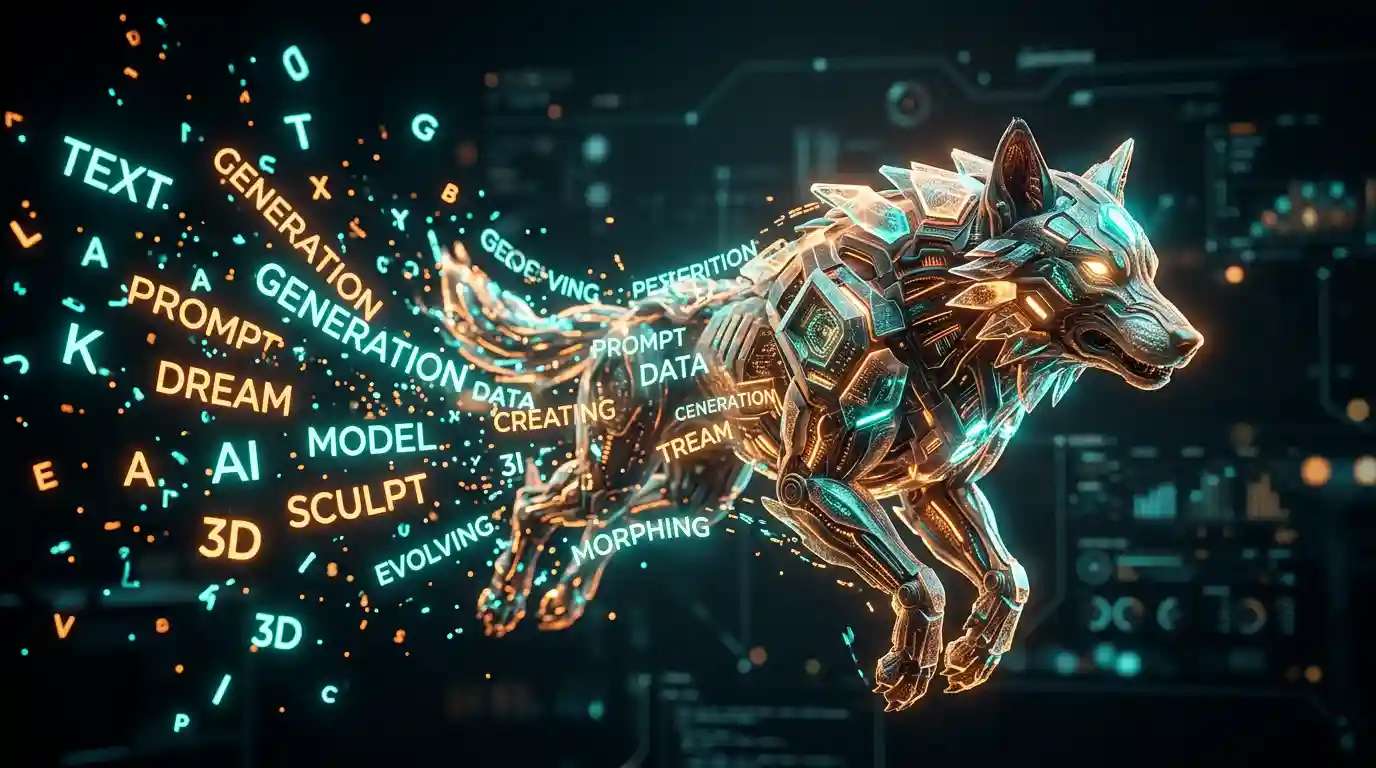
The digital world is evolving rapidly, and one of the most exciting developments in recent years is the transformation of creative processes through artificial intelligence (AI). The ability to convert textual descriptions into fully realized 3D models is revolutionizing industries ranging from gaming and entertainment to architecture and product design. In this blog post, we will dive deep into the innovative world of AI text to 3D model generators, exploring the evolution of these technologies, the techniques behind them, and their transformative impact on creative workflows. Whether you’re an artist, a developer, or a curious tech enthusiast, understanding the mechanics behind text-to-3D model creation is essential in this brave new digital era. AI Art Generator is available if you want to try it.
A Brief History of 3D Modeling
Traditionally, creating 3D models has been an arduous process that required a combination of artistic talent, technical know-how, and advanced software skills. Early 3D modeling involved hand-drawing the elements of a model using computer-aided design (CAD) programs and sculpting software. This process was not only time-consuming but also demanded a steep learning curve, limiting access primarily to professionals in specialized fields.
With the advent of AI and machine learning, however, the landscape began to shift. Modern technologies are now capable of understanding natural language input and translating it into complex visual forms. This shift has given rise to methods like text-to-3D, where users can simply describe what they need in plain language and let the AI do the heavy lifting. The fusion of traditional 3D modeling techniques with AI is paving the way for more intuitive, accessible, and efficient workflows.
The Rise of AI in 3D Modeling
In recent years, AI has transformed various creative domains, and 3D modeling is no exception. By leveraging deep learning techniques and vast datasets, AI models can now interpret descriptive text and generate detailed, lifelike 3D models. This innovation has given birth to tools such as AI text-to-3D model systems and text-to-3D model AI platforms that empower creators to produce models that previously required advanced technical skills.
How Does AI Transform the Process?
The key breakthrough in transforming text into 3D models lies in the ability of AI to understand context and semantics. When a user inputs a descriptive sentence, the system analyzes the language to identify key visual attributes such as shape, texture, color, and spatial relationships. By combining this understanding with pre-trained generative models, AI 3D model generators from text can produce detailed and accurate 3D representations.
For instance, an AI 3D model generator from text might take the description “a futuristic cityscape at sunset” and break it down into components, skyscrapers with sleek surfaces, vibrant hues reflecting off glass facades, and ambient lighting that captures the warmth of a setting sun. The AI then synthesizes these elements to create a cohesive 3D scene, demonstrating the power and potential of these innovative systems.
Understanding the Technology Behind text-to-3D Models
At the heart of the text-to-3D revolution is a combination of neural networks, natural language processing (NLP), and generative models. Let’s explore some of these technologies in detail.
1. Natural Language Processing and Semantic Analysis
Natural Language Processing (NLP) is the foundation that enables AI to comprehend human language. By employing algorithms that analyze syntax, semantics, and context, these systems can extract the essential visual information from textual input. In the realm of AI text-to-3D model development, NLP is used to identify objects, attributes, and spatial cues embedded within a sentence. This process ensures that the subsequent stages of model generation have a clear blueprint to follow.
- Accuracy and Detail
- Quality of Generated Models
- Integration with Existing Workflows
- Ethical Considerations and Copyright
One of the main challenges is ensuring that the generated models accurately reflect the input text. Natural language is inherently ambiguous, and different users might have varying interpretations of a description. For example, when using a text-to-3D model tool, one person’s idea of a “vintage car” might differ significantly from another’s. Ensuring that AItext-to-3D model systems can handle these nuances requires ongoing refinement of both the language processing and the generative algorithms.
The quality of the 3D models produced can vary depending on the complexity of the prompt and the sophistication of the underlying AI. While some models are highly detailed and lifelike, others may require significant post-processing or manual refinement. The challenge lies in balancing speed and quality, a critical factor in commercial applications where time is of the essence.
For industries that rely on traditional 3D modeling software, integrating new AI tools into existing workflows can be a hurdle. Designers and artists are accustomed to using established tools with which they are deeply familiar. Introducing a text-to-3D model solution requires not only technical integration but also a cultural shift within teams. Training and support become crucial in ensuring a smooth transition and maximizing the benefits of these advanced technologies.
As with any AI-driven creative process, there are ethical and legal implications to consider. For instance, if an AI 3D model generator from text is trained on copyrighted material without proper authorization, this could lead to intellectual property disputes. Developers and companies must navigate these issues carefully, ensuring that the datasets used for training respect copyright laws and that the generated content adheres to ethical standards.
The Future of AI in 3D Modeling
Despite these challenges, the future for text-to-3D technology is bright. As machine learning models become more sophisticated and datasets more comprehensive, we can expect the following developments:
- Enhanced Interactivity and Customization
- Improved Accuracy and Contextual Understanding
- Broader Accessibility and Democratization of 3D Design
- Integration with Virtual and Augmented Reality
- Cross-Disciplinary Collaborations
Future systems will likely offer increased interactivity, allowing users to provide iterative feedback and fine-tune models in real time. Imagine a platform where you start with a basic description and then adjust parameters such as lighting, textures, and proportions interactively until the model perfectly matches your vision. This level of customization could bridge the gap between automated generation and manual artistry, providing a hybrid workflow that leverages the best of both worlds.
Advances in NLP and computer vision will lead to better contextual understanding, ensuring that AI text-to-3D model outputs are even more accurate and aligned with user intent. By incorporating larger and more diverse datasets, these systems will become adept at handling complex descriptions and producing models with finer details and better textures.
One of the most exciting prospects of this technology is the democratization of 3D design. With traditional 3D modeling requiring specialized skills, many aspiring creators were previously excluded from the process. However, with text-to-3D model AI solutions, anyone with a creative idea can bring it to life. This democratization will spur innovation, enabling a more diverse range of voices to contribute to fields such as gaming, virtual reality, and digital art.
The convergence of AI, virtual reality (VR), and augmented reality (AR) presents an extraordinary opportunity. In the near future, you could describe an entire virtual environment using simple text commands and then immerse yourself in that world. This seamless integration will have profound implications for entertainment, education, and even remote work, where virtual collaboration spaces become the norm.
As the technology matures, we are likely to see increased collaboration across industries. Architects might work with game developers to create interactive building tours, while product designers could partner with marketing teams to develop dynamic advertisements that adjust based on user interactions. These cross-disciplinary collaborations will drive further innovation, blurring the lines between creative domains and leading to entirely new forms of digital expression.
Suggested Read: The Complete Guide to Text-to-Video Generation: From Basics to Future Predictions
How to Get Started with text-to-3D Modeling
For those interested in diving into the world of text-to-3D model generation, there are several steps you can take to start experimenting with this cutting-edge technology.
- Explore Available Tools and Platforms
- Learn the Basics of Natural Language Descriptions
- Experiment with Iterative Design
- Join Communities and Forums
There are a growing number of tools available that utilize AI text-to-3D model capabilities. Some platforms are designed for professional use, while others are accessible to hobbyists and students. Start by exploring demos and free trials to understand what these systems can do. Look for platforms that offer intuitive interfaces and allow you to adjust parameters based on your specific needs.
Crafting an effective text prompt is an art in itself. To get the best results from a text-to-3D model system, it helps to be specific about the attributes you want in your model. Include details about shape, texture, color, and any distinctive features that define your vision. Over time, you’ll learn how to refine your descriptions to achieve more accurate and detailed outputs.
One of the advantages of using AI for 3D modeling is the ability to iterate quickly. Don’t be afraid to experiment, start with broad descriptions and then gradually add details in follow-up iterations. Many AI 3D model generator from text tools allow you to refine the model based on user feedback, making it easier to get exactly what you envision.
Engaging with communities of AI enthusiasts, 3D artists, and developers can provide valuable insights and tips. Many online forums, social media groups, and webinars are dedicated to the exploration of text-to-3D technologies. Sharing your experiences and learning from others will accelerate your journey and help you keep up with the latest trends and innovations in the field.
Suggested Read: AI Generated Media 2026: The Definitive Year-End Review
Case Study: Revolutionizing Product Design with text-to-3D Modeling
To illustrate the impact of these technologies, let’s examine a hypothetical case study in the field of product design.
The Challenge
A start-up in the wearable technology sector aims to develop a new line of smartwatches with unique, customizable designs. Traditionally, the design process would involve extensive 3D modeling work, iterations, and costly revisions before settling on a final design.
The AI-Driven Solution
The start-up decides to leverage a text-to-3D model system. The design team begins by drafting a series of detailed descriptions, such as “a sleek smartwatch with a circular face, minimalist dial, and a flexible strap that adapts to the wrist.” Using an AItext-to-3D model platform, the team rapidly generates multiple design variations.
The Outcome
Within hours, the team reviews a wide range of designs, selecting the most promising concepts for further refinement. The ability to iterate quickly not only reduces development time but also fosters creative exploration. The final product incorporates the best elements from several generated models, resulting in a smartwatch that stands out in the market. This case demonstrates how text-to-3D innovation can streamline workflows and inspire fresh design ideas.
Suggested Read: Flux Schnell API Pricing: Complete Cost Breakdown & The Cheapest Way to Generate Images at Scale
Integrating AI-Driven 3D Modeling into Your Workflow
For professionals interested in integrating these technologies into their workflows, here are a few strategies to consider:
- Workflow Optimization
- Training and Development
- Collaborative Platforms
- Quality Assurance and Refinement
Integrate text-to-3D model tools as part of your initial brainstorming and prototyping stages. Use these tools to generate quick drafts that can then be fine-tuned using traditional 3D modeling software. This hybrid approach leverages the speed of AI while retaining the precision of manual adjustments. Moreover, many providers now offer an AI 3D Model Generation API that simplifies integration into existing systems.
Invest time in training your team on how to use these new tools effectively. Workshops, online courses, and hands-on practice sessions can help team members become comfortable with both the technical aspects and the creative potentials of AItext-to-3D model systems.
Consider using collaborative platforms that allow designers, developers, and stakeholders to work together in real time. Cloud-based solutions that integrate text-to-3D model AI technology can facilitate a more streamlined design process, enabling feedback and iterative improvements without the need for constant file exchanges.
While the models generated by these systems are impressive, they may still require quality checks and manual refinements. Establish a workflow that includes a review stage where experienced artists can fine-tune and validate the generated models, ensuring that they meet professional standards before being deployed in final projects.
Suggested Read: Introducing the Meshy 7.1 API on Pixazo API: Text and Image to Production-Grade 3D
Looking Ahead: The Next Generation of text-to-3D Technologies
As we look to the future, the synergy between text and 3D modeling will continue to evolve, driven by advances in AI, machine learning, and data processing. We can expect improvements in several key areas:
- Enhanced Realism: Future systems will produce models with even higher fidelity, incorporating advanced textures, lighting, and material properties that blur the line between digital and reality.
- Greater Interactivity: The next generation of tools will offer more interactive features, allowing users to engage in a dialogue with the AI to adjust models in real time.
- Broader Integration: As AI becomes more entrenched in creative industries, expect tighter integration with other technologies such as augmented reality (AR) and virtual reality (VR), offering new dimensions for experiencing and interacting with digital content.
- Personalization: The personalization of design will reach new heights as AI Art Generators learn from individual user preferences, producing content that is uniquely tailored to each creator’s style and needs.
Suggested Read: Introducing FLUX.2 Pro API on Pixazo: Frontier Text-to-Image, Now in Playground & API
Conclusion
The journey from text-to-3D is not merely a technological evolution, it is a paradigm shift that redefines creativity and accessibility in digital design. By harnessing the power of AI text-to-3D model systems, creators are now empowered to transform simple textual descriptions into intricate, lifelike 3D models. This innovation is democratizing design, opening up new possibilities for industries ranging from gaming and entertainment to architecture and product design.
The advent of text-to-3D technology represents the convergence of art and science. As these systems continue to mature, we can anticipate a future where creative ideas flow seamlessly from our imagination into digital form. Whether you’re leveraging a text-to-3D model tool for professional projects or experimenting with an AI 3D model generator from text out of personal interest, the potential of these technologies is limitless.
By understanding the underlying technologies and embracing the potential of text-to-3D innovations, you can stay ahead of the curve and harness the transformative power of AI in your creative endeavors. Whether you’re developing a new video game, designing futuristic products, or reimagining architectural spaces, the integration of AI text-to-3D model techniques offers a new and exciting way to bring your visions to life.
As we wrap up this exploration, remember that the field is continuously evolving. Keep experimenting, stay updated with the latest breakthroughs, and share your successes with the broader community. The future of digital design is collaborative, creative, and powered by AI, and it’s yours to shape.
Suggested Read: Best Open Source 3D Model Generation APIs in 2026: In-Depth Comparison Guide
Frequently Asked Questions
What is text to 3D?
Text to 3D is a technology that turns a written description into a three-dimensional model, letting you generate objects without traditional sculpting. It is a fast way to create assets for games, product mockups, and visualization.
How does AI create 3D models from text?
The system interprets your prompt and builds geometry and surface detail using models trained on large collections of shapes. You then refine the result in a 3D editor.
Do I need 3D software skills to use text to 3D?
You can generate a base model with just a prompt, but some familiarity with a 3D tool helps for cleanup, texturing, and exporting. Pixazo offers text-to-3D generation aimed at making that first step approachable.
What can I use text to 3D models for?
Common uses include game props, concept art, product prototypes, AR content, and 3D printing bases. Complex production assets may still need manual polishing.
Are AI generated 3D models ready for production?
They are excellent for prototyping and ideation, but production pipelines often require optimizing the mesh, retopology, and clean UVs. Treat AI output as a strong starting point.
Deepak Joshi
Author · Pixazo
Deepak writes about generative AI models, APIs, and the workflows teams use to ship them. Reviewed by Abhinav Girdhar.