Shooting for a Clean Plate: What to Capture on the Day

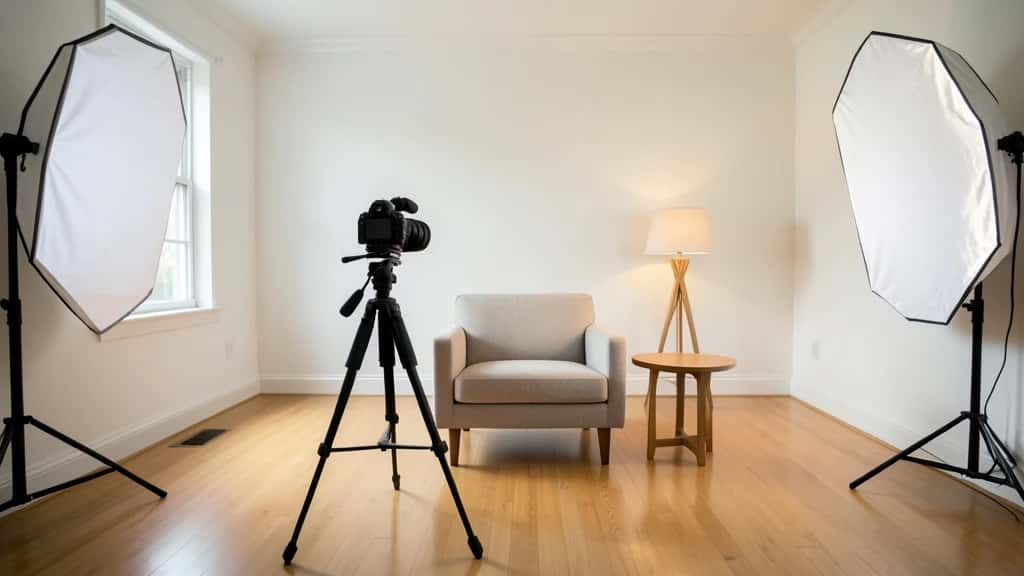
A clean plate is a shot of the scene with the subject, or the element you plan to remove, absent, so post has a true empty background to composite against. It is the cheapest insurance in the whole VFX pipeline: a few seconds on the day can replace hours of roto and paint per shot. This guide covers exactly what to capture, and if a plate ever gets missed, AI Clean Plate Services can rebuild the empty background by removing people and shadows in post.
You will find what a clean plate is, why it saves days, the full on-set checklist, how to match the camera and lighting, the reference every VFX shot wants, and what happens when you forget.
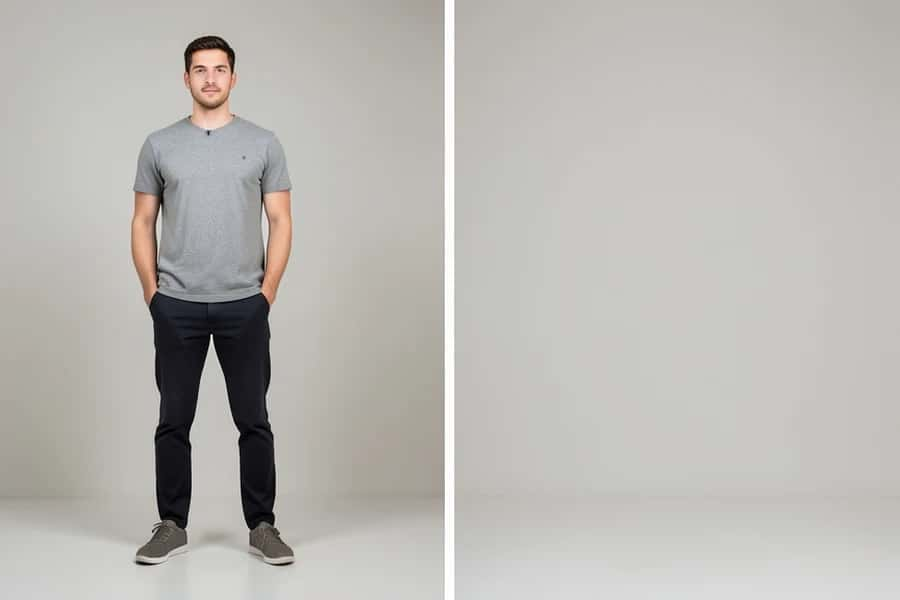
What a Clean Plate Actually Is
- ▸An empty version of the shot: A frame or short clip of the scene with the subject or the element to be removed absent.
- ▸Used for removal and extension: Wire and rig removal, crew and object removal, set extensions, screen and window replacements, crowd tiling, and sky or signage swaps.
- ▸Not just a reference photo: It matches the hero shot camera, lens, lighting and exposure, so the empty background can slot directly behind the action.
Why a Clean Plate Saves Days in Post
- ▸Reveal instead of paint: With a real empty background, an artist uncovers clean pixels instead of painting or reconstructing them frame by frame.
- ▸Removal becomes a composite: Taking out a boom, a rig, a reflection or a background pedestrian becomes a composite over a known plate, not a per-frame paint job.
- ▸Extensions track cleanly: Set extensions and screen replacements track onto a stable, matched background, which cuts matte work and reduces flicker.
- ▸Cheap on set, expensive later: A plate that takes 30 seconds on the day can replace hours of post labor per shot.
Suggested Read: AI VFX in Filmmaking: The Complete Guide
The On-Set Clean Plate Checklist
For every shot flagged as a VFX shot, capture the following, in roughly this order.
Suggested Read: What Footage Survives AI Rotoscoping, and What Does Not
Locked-Off Plates vs Matched Camera Moves
Locked-off shots
- ▸The camera does not move, so shoot the empty frame straight before or after the take.
- ▸This is the simplest case to composite, because the background sits still behind the action.
Moving shots
- ▸The hero shot has a dolly, crane, handheld or pan, so the plate must repeat the same move, ideally with motion control or a repeatable marked path.
- ▸If you cannot repeat the move, capture generous tracking markers and a locked-off plate of the area so post can solve the camera and project the plate.
Settings that must match
- ▸Keep the same lens, focal length, focus distance, T-stop, shutter, ISO, white balance, frame rate and sensor mode.
- ▸A changed aperture shifts depth of field and bokeh, and a changed focal length changes perspective, so neither will line up. Log the settings so the match is verifiable.
Suggested Read: What Corporate Video Production Actually Involves
Lighting, Reference and Tracking Markers
- ▸Shoot the plate in the same lighting state: Do not let the gaffer strike or re-rig before the plate is captured. On exteriors, grab plates close in time so the sun has not moved.
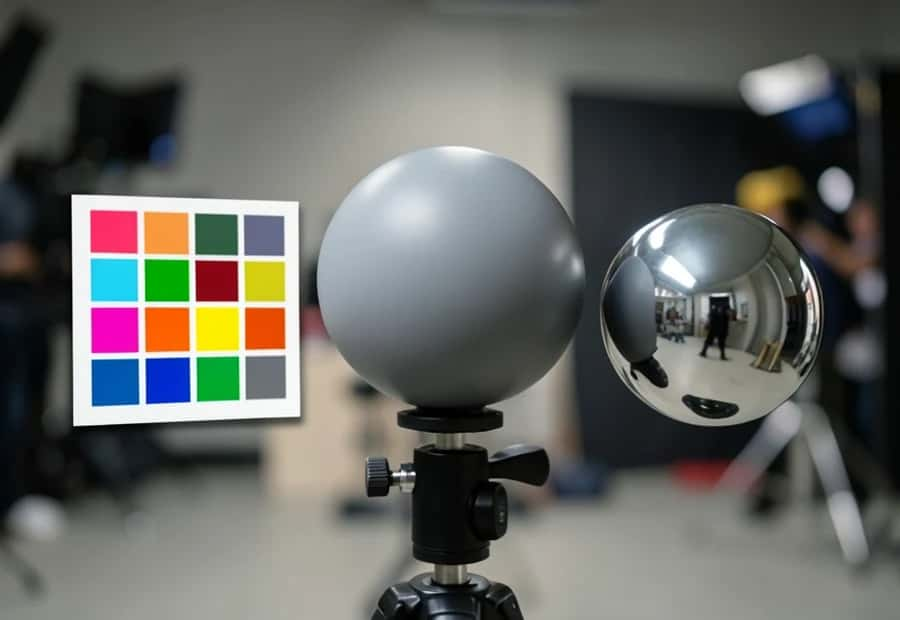
- ▸Grey ball and chrome ball: Shot in the same light and position as the action, to read lighting direction, color and reflections.
- ▸Color chart: Framed under the same light for color and exposure reference.
- ▸HDRI or lighting pass: Captured from the subject position for any CG element that must sit in the scene.
- ▸Tracking markers, placed with care: On screens, clean walls and floors, positioned so some stay visible through the move and can be painted out cleanly later.
Suggested Read: How to Change a Background With AI
When to Shoot the Plate
The easiest clean plate is the set with nobody in it. Roll the empty frame before the first rehearsal, or right after you call cut and before anyone strikes anything. Build it into the shot routine so it is captured every time a shot is flagged for VFX, not remembered as an afterthought.
Suggested Read: How to Make a Product Video With AI
What Happens When You Forget the Clean Plate
Without a plate, post has to reconstruct the hidden background by hand or with AI fill, which is slower, less reliable and prone to detail and motion mismatches. Simple removals become full rotoscoping and paint jobs, costs rise and schedules slip. Tools like AI Clean Plate Services and AI Rotoscoping can recover the shot by removing people and rebuilding the background, but a plate shot on the day is still cheaper and cleaner.
| With a clean plate | Without a clean plate |
|---|---|
| The empty background exists, so removal is a composite over known pixels | Post rebuilds the hidden background by hand or with AI fill, frame by frame |
| Set extensions and screens track onto a matched, stable background | Simple removals become full rotoscoping and paint jobs |
| Markers and rigs paint out against a clean reference of the same area | Higher risk of detail, motion and lighting mismatches that need rework |
| Faster turnaround, lower cost, cleaner edges with less flicker | More cost, longer schedule, and some shots that are hard to save at all |
Conclusion
A short plate shot and a few seconds of reference on the day are the cheapest insurance in the whole VFX pipeline. Flag the shots in prep, roll the empty plates before anything moves, match the camera and lighting, log the data, and grab your reference. Do that and post gets the empty background it needs, which turns slow roto and paint work into a fast, clean composite.
FAQ
What is a clean plate in VFX?
A clean plate is a shot of the scene with the subject or the element you want removed absent, captured so the empty background matches the hero take. Post uses it for object and wire removal, set extensions and compositing.
When should I shoot the clean plate, before or after the take?
Either works, as long as nothing changes. Shoot it before talent walks in, or right after you call cut and before anyone strikes the lighting or set.
Do I need a clean plate if the camera is moving?
Yes, and the plate should repeat the same move, ideally with motion control. If you cannot repeat it, lay down tracking markers and grab a locked-off plate of the area so post can solve the camera and project the background.
What camera settings have to match between the take and the plate?
Keep the same lens, focal length, focus distance, T-stop, shutter, ISO, white balance, frame rate and sensor mode. Changing aperture or focal length will break the match.
What reference should I capture alongside the plate?
A grey ball and chrome ball in the same light and position, a color chart under the same light, key measurements and camera height, and an HDRI or lighting pass for any CG elements.
Why does a clean plate save so much time in post?
It gives artists real empty-background pixels to composite against, so removals and extensions do not have to be painted or reconstructed frame by frame, which turns slow roto and paint work into a faster composite.
What if we forgot to shoot a clean plate?
Post can rebuild the background with rotoscoping, hand paint or AI object removal, but it is slower, costs more and risks mismatches. A plate shot on the day is still cheaper and cleaner.
How long should a clean plate be?
Hold it for several seconds of stable footage, longer for moving shots, so post has room to choose a steady range and stabilize if needed.
Deepak Joshi
Author · Pixazo
Deepak writes about generative AI models, APIs, and the workflows teams use to ship them. Reviewed by Abhinav Girdhar.