Pixazo Launches Wan 2.5 with Cinematic Quality and One-Prompt Audio-Video Sync

What is Wan 2.5 and Why does Cinematic Quality Matter Now?
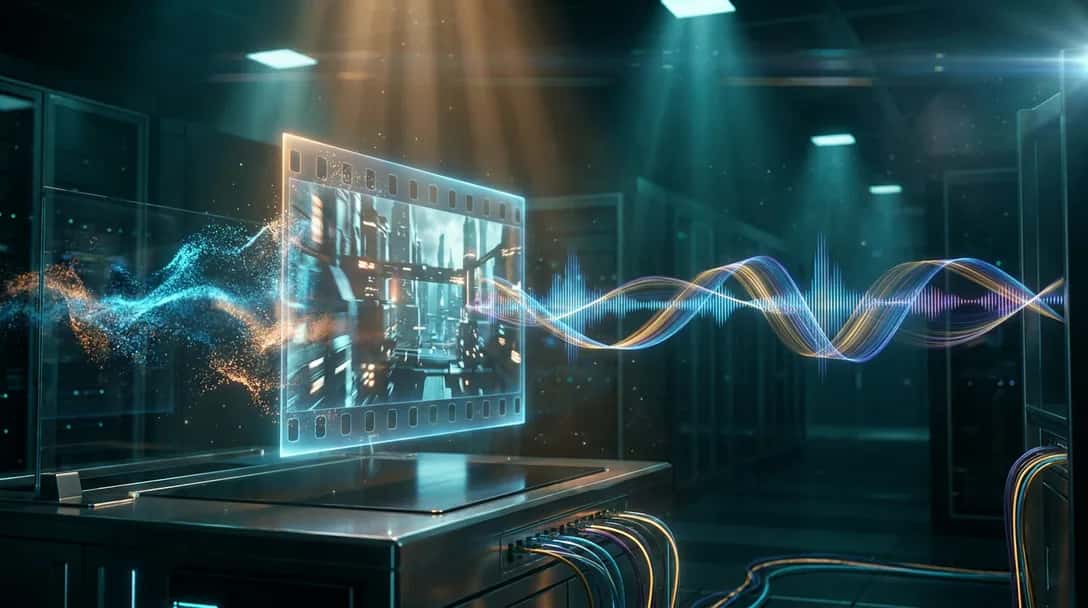
Wan 2.5 is a next-generation, multimodal video model designed to translate natural language and images into polished moving pictures—with sound, rhythm, and expressive performance. It features improved motion continuity, framing control, texture detail, and the subtlety of expressions that makes a shot feel “filmic,” rather than synthetic. Recent coverage points out higher-resolution output options and more precise camera dynamics, positioning Wan 2.5 as a meaningful step beyond the earlier Wan line in both realism and directability. You can try this yourself with AI Video Quality Enhancer.
For creators, cinematic quality matters because the model now supports the kind of consistency that lets you do real pre-viz, launch teasers, and social-first trailers without the uncanny discontinuities that derail audience trust. It’s the difference between a quick concept mock-up and a cut you’re confident to publish. Sprinkled throughout this review you’ll also see where developers might want an Wan 2.5 API to wire up automated rendering tasks—while producers and artists will care more about the hands-on, prompt-to-screen experience.
If your production calendar is tight, the ease of asking for “tracking shot past rain-slick neon signage, subject turns and laughs as narration lands on the punchline” and getting a coherent, lip-accurate performance is game-changing. That’s the narrative leap Wan 2.5 offers.
How Does “One-Prompt, Audio-Video Sync” Actually Work in Practice?
In plain terms, you describe your sequence—including the tone, pacing, and the voice you want—and Wan 2.5 generates a unified clip. The model handles the vocal delivery and alignments, then renders matching mouth shapes and facial dynamics frame by frame. You no longer need to generate a silent sequence, send it to a separate voice model, and then massage keyframes to land on syllables.
This removes a full round of manual cleanup while also reducing drift—the gradual desynchronization that used to creep into long takes. Because everything is produced as a single unit, character timing and pauses feel intentional rather than stitched. If you’re editing or extending, you can still iterate with fresh prompts, but your baseline is a complete cut.
Technical teams who prefer to orchestrate this programmatically will be pleased that the concept maps cleanly to an Wan 2.5 text to video API call, while creative directors can remain in the prompt interface and keep moving.
Output Generated Using Wan 2.5
Prompt:
A towering white gorilla clad in tactical combat armor grips a futuristic rifle tightly, its glowing red eyes burning with intensity. Standing in a dimly lit military hangar, the gorilla exhales heavily, then suddenly charges forward, smashing through crates and firing bursts of plasma rounds with brutal precision. Sparks and debris rain down as the camera begins with a close-up on its glowing eyes, then swings into a dynamic tracking shot, following the beast as it tears through the battlefield in a furious, unstoppable assault
What’s New in Wan 2.5 versus Earlier Wan Models?
Several leaps define Wan 2.5. Resolution and duration now stretch further, giving scenes more room to breathe without compression issues. Camera language has matured—pans, tilts, and focus shifts appear guided by a skilled operator rather than a static system. Characters also feel more lifelike, with natural eye movements and subtle expressions adding credibility to every frame. For visual artists, pairing Wan 2.5 with an AI Image Generator provides a strong foundation for concept art and style exploration before moving into motion.
The standout addition is integrated audio generation with lip-sync inside a single prompt. Instead of stitching separate tracks, you receive synchronized sound and visuals in one pass. This means voice delivery, mouth movement, and timing align seamlessly, reducing manual work while making the creative process faster and more fluid for storytellers and editors alike.
Press coverage and technical notes further highlight image-to-video upgrades, where a still frame transforms into fluid motion with steady lighting and identity consistency. These advances build on earlier releases: Alibaba’s Wan 2.1 brought cinematic shot vocabularies, while 2.2 improved continuity. Together, they position Wan 2.5 not as a sketching tool but as a full creative engine capable of cinematic quality.
Who Benefits the Most from the Jump to 2.5?
Short-form teams, indie studios, brand social squads, educators, and pre-viz artists benefit the most from Wan 2.5. If you need a sharp teaser by the end of the day or a polished explainer by tomorrow, the model helps you get there from plain language and a clear visual reference. Marketers who prioritize agility with premium visuals will also appreciate how Wan 2.5 supports coherent sequences that sell an idea without resembling a generic slideshow.
Developers who build creative platforms can take advantage of an AI Video Generator interface powered by Wan 2.5. This gives end users the ability to request cinematic shots, complete with synchronized voice and visuals, while keeping the technical details abstracted. For studios, the capability means faster prototyping of branded content, while for solo creators it opens doors to professional-quality motion design without extensive editing or layering work.
Industry watchers note that teams chasing recognition among the top AI video generation models will find Wan 2.5 highly competitive. Its balance of polish, speed, and integrated audio-video sync allows it to stand alongside, and in some cases surpass, rivals. Whether the need is for a narrative short, social clip, or educational demo, the jump to 2.5 elevates creative possibilities for those willing to experiment with cinematic storytelling at scale.
How Should Prompts be Written to Maximize Results?
Think like both a director and a voice coach when writing prompts. Describe the scene, character behavior, camera moves, and vocal delivery with precision. Instead of simply requesting “woman in a café,” you can say “medium shot by a window, soft lighting, shallow depth, warm lens style; she pauses before quietly delivering her line.” These details guide Wan 2.5 to interpret timing, pacing, and emotional tone more accurately, resulting in richer and more coherent cinematic output.
When working from still images, it helps to specify anchor elements such as wardrobe color, hair shape, or lighting direction. This reduces ambiguity and improves consistency as the model translates a frozen frame into fluid action. A dedicated Wan 2.5 image to video API request makes this especially powerful, producing motion sequences that preserve identity, stabilize lighting, and keep continuity intact while extending creative flexibility for animatics or narrative shorts.
From a historical perspective, earlier systems laid the groundwork but offered fewer guarantees. The refinements visible today owe much to the lineage of Alibaba’s Wan 2.1 API, which introduced practical shot vocabularies and better scene logic. Over time, successive versions brought smoother motion and more expressive performances, setting the stage for Wan 2.5 to finally unify sound, timing, and cinematic polish in a way that feels both reliable and production-ready.
Which Quality Controls Improve Cinematic Polish?
Three habits consistently elevate results: control your color palette, keep camera moves intentional, and use lighting with purpose. For example, align hues with your brand or narrative mood, hold shots long enough for emotions to register, and give light a reason to exist. Whether it’s neon reflecting from a rainy street or a practical lamp brightening a corner, these touches add cinematic polish that audiences instantly recognize as deliberate rather than accidental.
When working technically, consistency is crucial. If Wan sequences will be intercut with live-action footage, maintain grain, resolution, and aspect uniformity across takes. Exporting directly at the target format helps prevent framing issues later. Teams who automate large-scale runs often rely on a structured service layered over a text to video API. This ensures delivery parameters—like duration, dimensions, or bitrate—are enforced before rendering, removing post-production mismatches and saving editors valuable time during integration.
For creative concepting, visual designers frequently start with still images or artwork. Here, an image to video API request proves invaluable, allowing static designs to be animated while preserving character identity and lighting intent. Storyboards, product renders, or mood pieces can come alive quickly, giving stakeholders a realistic preview of motion before final cuts are made. This bridges the gap between ideation and production without requiring advanced editing knowledge or heavy post-processing effort.
How does Wan 2.5 compare to Wan 2.1 and Wan 2.2?
Each generation solved a different pain. 2.1 gave creators a practical cinematic vocabulary—dollies, over-the-shoulder coverage, and angle logic—so scenes read like scenes. 2.2 smoothed motion between frames and added emotional nuance, so performances felt less mechanical. 2.5 combines those strengths with higher resolution, longer coherent takes, and unified audio-visual generation with accurate lip-sync.
| Model | Resolution & Duration | Camera & Motion | Character & Expression | Inputs | Signature Strength |
|---|---|---|---|---|---|
| Wan 2.1 | Up to HD; short cuts best | Rich “shot library” (dolly, OTS, reverse angles) | Expressive modeling; solid scene logic | Text, image | Established cinematic vocabulary that reads like film |
| Wan 2.2 | Up to HD; notably steadier sequences | Smoother frame-to-frame continuity | More emotional nuance; longer prompt handling | Text, image | Reliability and stability for complex requests |
| Wan 2.5 | 1080p options; extended, coherent takes | Fine-grained camera control; deliberate pacing | Near-photorealistic detail; integrated voice & lip-sync | Text, image, video-to-video refinement | One-prompt end-to-end storytelling with audio |
Suggested Read: Best Free Image, Video and Audio Generation APIs for 2026 – Ranked and Compared
Independent roundups often compare families and rivals; one common lens is Alibaba Wan 2.1 vs OpenAI Sora vs Google Veo 2, reflecting how capabilities stack across realism, control, and scale. Against that backdrop, Wan 2.5’s cohesive audio and video sync and cinematic quality make it a compelling upgrade for narrative beats and brand moments.
Why do Safeguards, Rights, and Ethics Matter More at 2.5?
As generated video gets closer to live-action realism, the responsibilities of creators increase significantly. Issues like securing proper model releases for recognizable likenesses, declaring when a voice is synthetic, and respecting intellectual property cannot be ignored. Watermarking and provenance tools can provide technical safeguards, but they are not replacements for ethical practice. Ultimately, transparent communication with your audience and collaborators should remain the default approach whenever synthetic content is published.
Another important consideration is accountability across the creative pipeline. Teams working with advanced AI models must establish review procedures that verify content intent before public release. Sensitive subjects require additional scrutiny, and clear labeling avoids confusion between synthetic and authentic media. By adopting structured workflows and responsible sign-offs, creators reduce the risk of misuse while reinforcing trust in their output. Such diligence matters more as footage becomes indistinguishable from traditional filmmaking.
The broader research and creative communities also emphasize openness and reproducibility, which fuels interest in the best open source AI video generation models. These models provide transparency for scholars, educators, and independent artists who want to study how results are produced. Whether working with proprietary or open systems, internal guardrails are essential. The very precision that empowers cinematic-quality results can also enable harmful misuse if oversight is neglected, making ethical frameworks indispensable.
Suggested Read: Introducing LTX-2 19B API on Pixazo for Cinematic Image-to-Video and Audio-Synchronized Generation
What’s the Bottom Line on Wan 2.5?
Wan 2.5 changes the conversation from “can we mock something up quickly?” to “can we deliver something worth publishing?” The improvement is not limited to sharper resolution. It reflects stronger cinematography instincts and natural pacing. By merging end-to-end performance generation into a single prompt, creators save hours of manual alignment. The result is unified audio and video sync combined with Cinematic Quality that streamlines workflow while elevating the professional look of every output.
For independent creators, the shift means fewer obstacles between idea and finished product. Instead of juggling separate tools or worrying about technical mismatches, they can focus on storytelling and style. Small teams gain the ability to ship polished teasers or explainers in record time, while educators and marketers can create engaging clips that feel authentic. The model’s reliability removes many of the friction points that slowed earlier versions of AI-driven filmmaking.
Larger studios also benefit from the stability and flexibility of Wan 2.5. Some will design bespoke consoles tied to an AI Video Generator back end, ensuring predictable outputs at scale. Others may rely on iterative look-development supported by an AI Image Generator before committing to motion. In both cases, Wan 2.5 raises the standard, offering a creative engine that balances speed with polish, and transforms quick drafts into footage ready for professional audiences.
Suggested Read: Introducing the Flux 3 Max API on Pixazo API
Frequently Asked Questions about Wan 2.5
How reliable is the lip-sync and voice alignment over longer cuts?
Reliability is the standout: in typical short-form durations, sync holds convincingly, with micro-pauses and breaths placed where you expect them. For very long monologues, you may prefer splitting into narrative beats—but the core alignment quality remains a major leap over earlier “silent then dub” pipelines. Audio and video sync remain intact throughout well-structured prompts.
Suggested Read: Introducing Happy Horse 1.1 API on Pixazo API
How strong is single-image to moving shot performance?
It’s a surprise strength. Provide a clean still with unambiguous lighting and identity, and Wan 2.5 extrapolates motion that feels motivated rather than floaty. Developers often expose this as an image to video Pixazo API feature to animate portraits, products, or set pieces with minimal setup, keeping identity and lighting consistent from the reference frame into motion.
How does the ecosystem discuss earlier versions and alternatives?
Industry commentary frequently frames matchups such as Goku vs Veo vs Sora vs Wan 2.1 to simplify distinctions for wider audiences, and you’ll also find surveys under banners like capability tiers, latency, and control. For practitioners, the practical takeaway is that Wan 2.5’s single-prompt flow, lip-sync, and Cinematic Quality converge to shrink turnarounds without sacrificing intent.
Suggested Read: Introducing WAN 2.6 API on Pixazo: High-Fidelity Image-to-Video and Text-to-Video Generation
How can developers and studios put 2.5 into production without friction?
On the engineering side, a thin orchestration layer that queues prompts, validates duration and aspect targets, and logs parameters keeps pipelines predictable. Many teams expose a narrow client over an Wan 2.5 API endpoint to standardize requests and auditing. Producers can continue in the interactive interface for exploratory cuts—then hand off parameters for deterministic reruns when the look locks.
What creative scopes are ideal for 2.5 right now?
Brand stingers, music hooks, character beats, and mood-driven promos are ideal. Narrative shorts with voice-in-frame become feasible without stitching separate audio passes. If you need programmatic control for volume, the Wan 2.5 text to video API offers a reproducible surface to scale creative variants across deliverables and markets.
Suggested Read: Pixazo Launches Flawless Text Model
Deepak Joshi
Author · Pixazo
Deepak writes about generative AI models, APIs, and the workflows teams use to ship them. Reviewed by Abhinav Girdhar.