AI Aging Filter: Predicting What You’ll Look Like in the Future


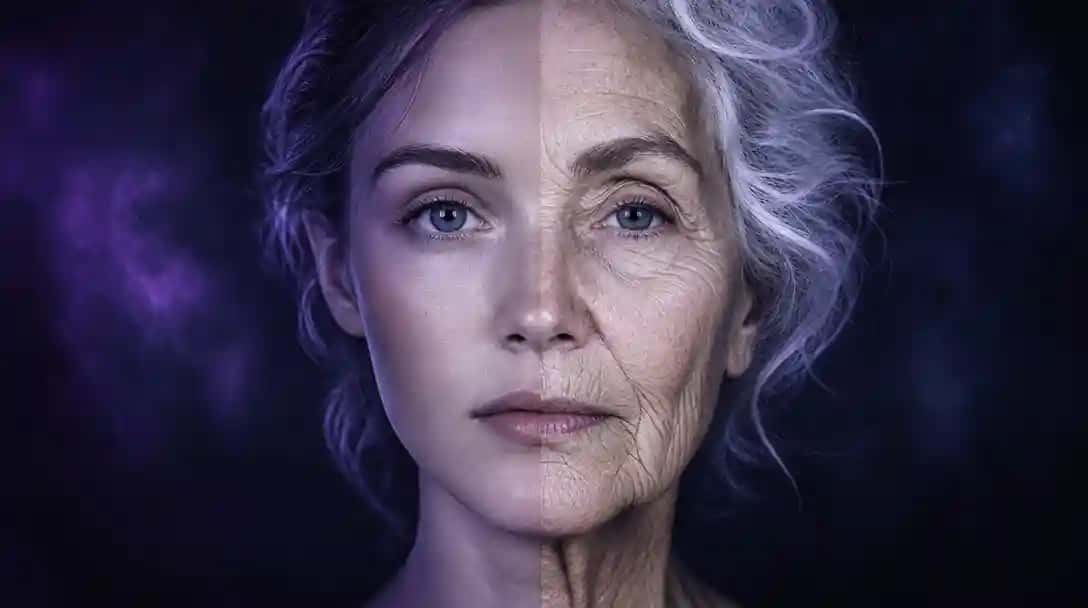
Many of us feel both nostalgic and curious when we think about how our parents might have looked in their younger years, even as kids. At the same time, we often find ourselves imagining what we might look like decades from now. You can do this in AI Face Editor.
Of course, we’re not time travellers (no one is, at least in media presence) or fortune tellers (they even can’t show how we will look), we can’t actually go into the past or see our future.
But what if an AI photo editor could give us a glimpse? With just one feature, it can make you look younger or older, helping you visualize your childhood self or see what you might look like in the year 2050.
Curious to see how it works? Let’s explore AI aging filters and discover what makes them so fascinating.
What is the AI Aging Filter?
The AI Aging Filter is a digital tool that uses artificial intelligence to show what you might look like as you grow older. By uploading a photo—usually a selfie—the filter applies age progression effects to your face, adding features like wrinkles, graying hair, and changes in skin texture. The result is a realistic image of your future self.
This technology relies on machine learning and facial recognition. It analyzes your current facial features and compares them with large datasets of images showing how people age over time. The AI then generates a version of your face that reflects typical signs of aging, often with impressive accuracy.
The AI Aging Filter has become popular on social media platforms, where users enjoy sharing side-by-side comparisons of their current and future selves. Beyond entertainment, the filter is also used in creative projects, digital storytelling, and even forensic investigations in some cases.
Features of AI Aging Filter tools
AI Aging Filter tools come with a range of features that make them both fun and functional. Here are some of the key features you can expect from these tools:
- Age Progression Effects
The core feature of AI Aging filters is the ability to simulate aging on your face, adding realistic details such as wrinkles, graying hair, and sagging skin. This gives users a glimpse of how they might look as they age. - Realistic Facial Modifications
AI Aging tools is ultimately your AI face editor where you can adjust not just superficial features, but also bone structure and skin texture, ensuring the aging process appears natural and accurate. These subtle modifications make the transformation more convincing. - Customizable Aging Options
Users can often choose a specific age range, allowing them to see their future selves at different life stages, such as 40, 60, or 80. This flexibility adds a personalized touch to the experience. - Instant Results
These tools deliver quick results, allowing users to instantly see an aged version of their photo. The speed and ease of use make it highly engaging for casual fun or social media sharing. - Social Media Integration
Most AI Aging filter tools are designed for easy sharing on social platforms, making it simple for users to post and compare their age-progressed images with friends or followers, fueling viral trends and engagement.
How Accurate are AI Aging Filters?
AI aging filters have become popular for showing what you might look like as you age. While they can be fun and interesting, they aren’t always perfectly accurate. Here’s why:
General Aging Effects
These filters are based on common signs of aging, like wrinkles, graying hair, and changes in skin texture. They can show a realistic idea of what many people look like as they get older, but they don’t account for how each person ages differently. Factors like genetics, health, and lifestyle (such as exercise or diet) aren’t considered, so the results are more of a general prediction than an exact one.
Facial Structure Changes
AI aging filters try to change the shape of your face to reflect the natural loss of facial volume as we age. While the changes can look realistic, sometimes the filter can make a person appear older than they actually are. This is because the filter uses common aging patterns, not your personal facial features or genetics.
Hair Color and Texture
Most filters automatically gray your hair to match typical aging patterns. Some filters make hair completely gray or white, but real aging hair might vary from person to person. For example, some people experience early graying or thinning, while others may not. The filter’s representation might be an exaggerated version.
Yes, if you want to see how you will look with a different hairstyle, you can use our AI virtual hair salon tool.
Suggested Read: Pixazo Blog Editorial Policy
Ethnicity and Gender Differences
AI aging tools are improving, but they don’t always account for how people of different ethnic backgrounds or genders age. Wrinkles, skin texture, and other aging signs can appear differently depending on your ethnicity, so the results may not always feel 100% accurate for everyone.
Suggested Read: 1980s AI Photo Trend: How to Turn Your Photos Into Retro ’80s Portraits
Personal Differences
While these filters can be fun, they don’t take into account the unique factors that affect how someone ages. Things like your lifestyle, genetics, and environment (like sun exposure) all influence how you’ll look as you get older. For many women, aging-related wellness also includes Menopause symptom management and wellness, especially when lifestyle, weight, sleep, and hormonal changes begin to overlap. Since these filters use general models, they may not represent your aging process exactly.
Suggested Read: AI Voice Cloning Ethics: Consent, Regulation, and the Future of Synthetic Speech (2026)
Can AI Aging Filters Be Used for Professional Purposes?
While AI aging filters are mostly known for their entertainment value, they have potential uses beyond just fun and games. These tools are increasingly being explored in professional fields such as marketing, advertising, and even healthcare. Here’s how they could be used in more serious applications:
Marketing for Elderly Care Products: AI aging filters can help companies in the elderly care industry by showing potential customers how they might look as they age, making products like mobility aids or hearing devices more relatable and relevant.
Personalized Health Solutions: In the health and wellness sector, these filters can illustrate how lifestyle choices impact aging, allowing brands to demonstrate the benefits of their products, like skincare or fitness plans.
Insurance and Retirement Planning: Insurance companies can use AI filters to show clients their future selves, helping to highlight the importance of planning for retirement or purchasing health coverage.
Healthcare Applications: In medicine, AI aging filters can help patients visualize how age-related conditions might affect their appearance, guiding decisions around treatments or cosmetic procedures.
Virtual Product Testing: Companies can simulate how older adults will interact with their products, ensuring designs are tailored to the needs of an aging population, such as testing apps or assistive technologies.
Suggested Read: The Present and Future of AI in Graphic Design
Future of AI in Age Progression
The future of AI aging filters looks promising, with technology expected to become even more realistic, accurate, and personalized. As artificial intelligence continues to advance, so will the ability of these filters to reflect how individuals truly age.
Right now, most filters apply general aging effects. In the future, AI tools may use personal data, such as lifestyle, genetics, and medical history, to generate highly personalized aging results. This means the filter could show how you are likely to age, not just how the average person does.
Advanced AI might also combine multiple factors, like stress levels, sun exposure, sleep patterns, or smoking habits, to create different aging scenarios. This could be useful for health education, allowing people to visualize the long-term impact of their choices.
In the future, AI might not just change how you look, but also simulate voice changes or physical movements associated with aging. This could expand the use of age progression into fields like virtual training, healthcare planning, or immersive education.
Suggested Read: AI Music Generation Models: The Future of Sound and the Role of Meta's AudioCraft
Conclusion
AI aging filters have quickly moved beyond just being a viral trend. While they remain a fun way to imagine your future self, their potential extends into much more meaningful areas. From helping brands market elderly care products to supporting healthcare professionals and wellness experts, these tools are becoming valuable across industries.
As AI and deep learning continue to evolve, we can expect AI design tools with aging filters to become more accurate, personalized, and insightful. Whether for entertainment, education, or professional use, AI aging technology offers a unique way to connect with the concept of aging—and perhaps even prepare for it.
If you’re looking to experiment with realistic face changes, check out our roundup of the best AI face swap generators available right now.
Suggested Read: Introducing FASHN Virtual Try-On V1.6 API on Pixazo for High-Resolution Virtual Try-On
Frequently Asked Questions
What is an AI aging filter?
An AI aging filter predicts how a face might look older by adding wrinkles, gray hair, and other age cues to a photo. It is designed as a fun visualization rather than an exact forecast.
Is an AI aging filter accurate?
It gives a plausible artistic impression, but real aging depends on genetics, health, and lifestyle, so the output is not a precise prediction. Treat it as entertainment.
Is the AI aging filter free to use?
Many apps offer free aging previews, sometimes with watermarks or limited saves, and remove those limits on a paid plan. Free versions are fine for casual sharing.
Can I see myself younger with the same tool?
Some tools include both older and younger transformations, letting you shift a face in either direction. The de-aging effect is likewise artistic rather than exact.
Is it safe to upload my photo to an aging filter?
Choose tools with a clear privacy policy that explain how images are stored or deleted, and Pixazo offers photo tools with transparent handling in mind. Avoid apps that reuse your photos without consent.
Deepak Joshi
Author · Pixazo
Deepak writes about generative AI models, APIs, and the workflows teams use to ship them. Reviewed by Abhinav Girdhar.